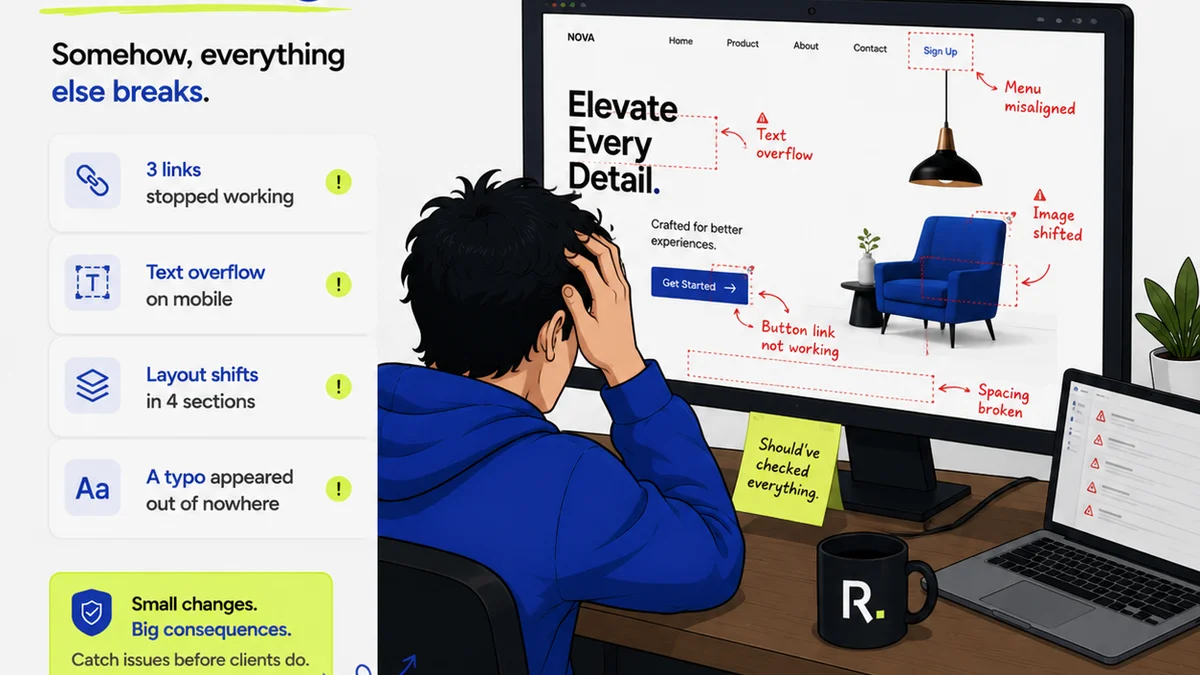
You’ve heard it all before. Creative operations is the hot new thing. It’s about efficiency, process, and scaling your agency. It’s about project management tools, resource allocation, and hitting deadlines.
None of that is wrong. But it’s incomplete.
The real, hard truth is that many agencies are so focused on the *operations* around creative work that they’re forgetting the *creative* itself. They’re building a beautiful, organized factory, but they haven’t figured out how to manufacture great ideas consistently.
This is where creative workflow comes in. It’s not just a step in the process; it’s the engine that drives everything. Without a well-defined, optimized creative workflow, your fancy operations will falter.
1. The Illusion of 'Process' Without Purpose
Agencies love process. They implement PM software, create Gantt charts, and hold daily stand-ups. They believe that more process equals more control and better output.
But what if the process itself is flawed? What if the steps are in the wrong order, or redundant, or actively stifle creativity?
This is a common trap. You’re so busy managing the *tasks* that you forget to manage the *thinking*.
The Symptoms of Broken Workflow
- Endless revisions that don’t improve the work.
- Missed strategic nuances in feedback.
- Team members working in silos, unaware of the bigger picture.
- Creative burnout from inefficient, frustrating cycles.
- Clients confused about the revision process.
These aren't operational failures. They are workflow failures.
2. Defining Creative Workflow: It’s More Than a Checklist
Creative workflow isn't just about moving a project from 'brief' to 'approved'. It’s the specific sequence of tasks, decisions, and collaborations that a creative idea goes through from inception to final delivery.
It’s about how ideas are generated, refined, critiqued, and evolved.
Think of it as the choreography of creativity.
Key Components of a Robust Workflow
- Ideation & Concepting: How are ideas sparked? Where’s the space for divergent thinking?
- Development & Execution: What are the steps for bringing a concept to life? Who owns what?
- Feedback & Iteration: How is feedback gathered, synthesized, and acted upon? This is crucial.
- Review & Approval: What’s the clear path to final sign-off?
- Quality Assurance: How do we ensure the final output meets strategic and aesthetic goals?
Most agencies have *some* version of these stages. The difference is in the *how*.
3. The Bottlenecks That Kill Great Work
Where do creative projects usually get stuck? It’s rarely a lack of people or tools. It’s the friction points in the workflow.
Consider feedback. Is it centralized? Is it actionable? Is it timely?
Or consider approvals. Are they clear? Are they documented? Or are they handed off via a quick email that gets lost?
Common Workflow Bottlenecks
- Ambiguous Briefs: Starting without a clear target.
- Unstructured Feedback: Vague comments, conflicting opinions, and
Frequently asked questions
What is creative workflow?
Creative workflow is the specific sequence of tasks, decisions, and collaborations that an idea goes through from its initial spark to final delivery. It encompasses ideation, development, feedback, revision, and approval stages, focusing on how creative work is actually produced and refined.
How is creative workflow different from creative operations?
Creative operations focuses on the systems, tools, and processes that support creative teams and projects (like resource management and project tracking). Creative workflow is the actual step-by-step journey of a creative piece itself, and how those steps are executed and optimized.
Why is defining creative workflow important for agencies?
A well-defined creative workflow prevents bottlenecks, ensures clarity in feedback and revisions, reduces burnout, and ultimately leads to higher quality creative output. It moves beyond just managing tasks to optimizing the creation and refinement of ideas.
What are common signs of a broken creative workflow?
Common signs include endless, unproductive revisions, unclear or conflicting feedback, creative burnout, team members working in silos, and clients confused by the revision process. These indicate friction in how creative work is being developed and iterated upon.