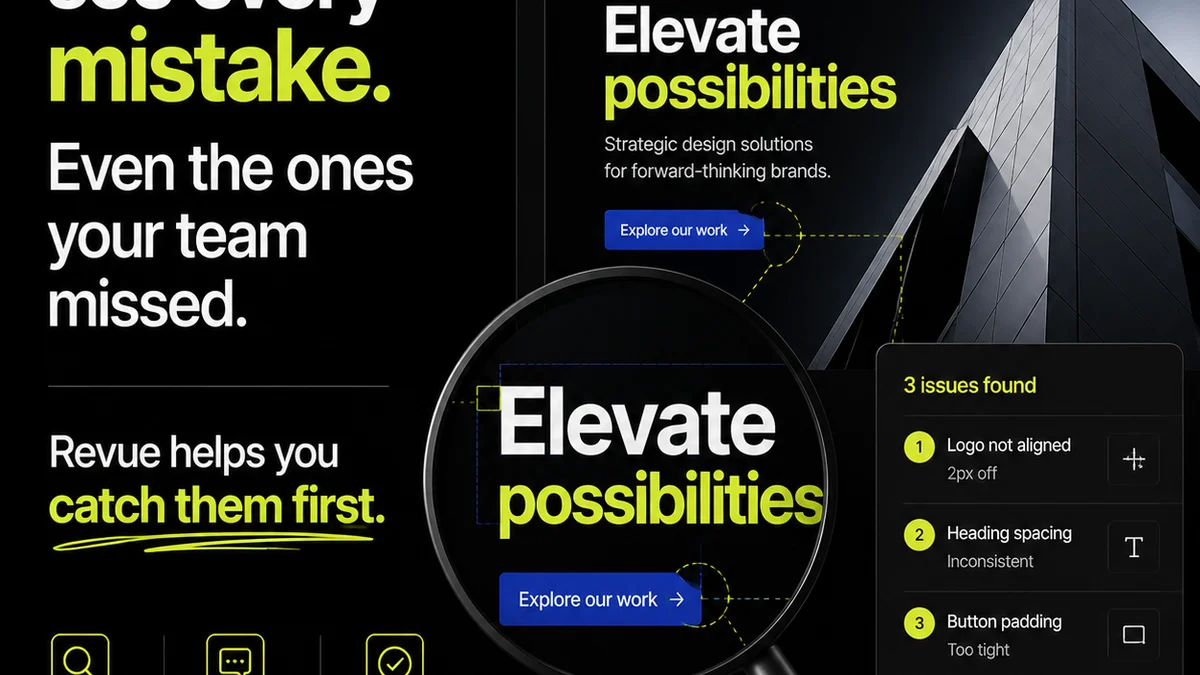
Agencies obsess over the latest software. Project management tools, communication platforms, asset management systems – you name it. The assumption is that the right tech stack is the silver bullet for chaotic creative workflows.
None of that is wrong. But it’s incomplete.
The hard truth? The biggest workflow mistakes aren't about the tools you use. They're about the processes you don't define, the communication you don't structure, and the clarity you don't demand.
Let’s cut through the noise and talk about the real workflow killers.
1. The Myth of 'Ad Hoc' Feedback
Every agency owner knows this scenario: the client sends a massive email with vague comments like “Make it pop” or “Something’s not right.” The team spends hours deciphering it, making changes, and sending it back, only for another wave of equally unhelpful feedback to arrive.
It feels like part of the job, doesn’t it? The messy, iterative dance with the client.
This isn't an unavoidable part of creative work. It's a symptom of a broken feedback loop.
The Real Problem: Lack of Structure
You’re probably thinking, “We have Slack/email/a shared drive. What more do we need?”
You need a system that forces clarity before work starts and guides feedback during the process.
- No Defined Feedback Channels: Feedback lands everywhere – email, Slack, text messages, even voicemails. It’s impossible to track and prioritize.
- Unclear Review Stages: When is feedback due? Who is responsible for giving it? What kind of feedback is expected at each stage? Without answers, everything becomes urgent.
- Vague Commenting: Clients (and sometimes internal teams) aren’t trained to give actionable feedback. You can’t just ask them to “improve it.”
The result is wasted hours, frustrating revisions, and missed deadlines.
The Fix: Standardize and Educate
Stop accepting ambiguous feedback as inevitable. Implement a structured process:
- Centralized Feedback Hub: Use a tool where clients can leave comments directly on the creative assets. This ties feedback to specific elements.
- Clear Review Cadence: Define when feedback is expected, by whom, and within what timeframe. Communicate this upfront.
- Feedback Briefs: For major milestones, require clients to fill out a brief specifying what they want reviewed and what decisions need to be made.
- Internal Triage: Have a point person (PM, producer) translate client feedback into actionable tasks for the creative team.
2. The Illusion of 'Simultaneous' Collaboration
Many agencies operate under the guise of “everyone works together.” This often means multiple people jumping into a document or project at once, stepping on each other’s toes, and creating version control nightmares.
You might have a shared drive, but is anyone truly collaborating effectively?
The reality is, true simultaneous collaboration on creative assets without clear ownership and process is chaos.
The Real Problem: Lack of Ownership and Sequence
When everyone can touch everything at any time, who is ultimately responsible for the final output?
- Conflicting Edits: One person’s tweak can undo another’s work, leading to endless cycles of correction.
- Lost Context: Why was a specific change made? Without clear documentation or a single point of contact, the rationale disappears.
Frequently asked questions
What's the biggest mistake agencies make with creative feedback?
Accepting vague, unstructured feedback as a given. Agencies often lack a defined process for collecting, organizing, and acting on client comments, leading to endless revisions and wasted time. Centralizing feedback and educating clients on providing actionable input is key.
How can agencies improve internal collaboration on creative projects?
By establishing clear ownership, defining sequential steps, and using a central platform for communication. Avoid simultaneous, unstructured editing. Instead, assign specific roles and review stages to ensure clarity and prevent conflicting changes.
Why is version control a common workflow problem?
It stems from a lack of a single source of truth and unclear processes for making and approving changes. When multiple people can edit freely without tracking, or when files are saved with generic names like 'Final_v3_really_final.psd', confusion and errors are inevitable.
How does Revue help fix these workflow issues?
Revue provides a centralized platform for client feedback directly on creative assets, streamlining the review and approval process. It offers clear version history and visibility into revision stages, tackling the ambiguity and disorganization that plague many agency workflows.