Everyone’s talking about AI. About remote work. About the metaverse.
And none of that is wrong. But it’s incomplete. It’s a distraction from the real engine of creative output.
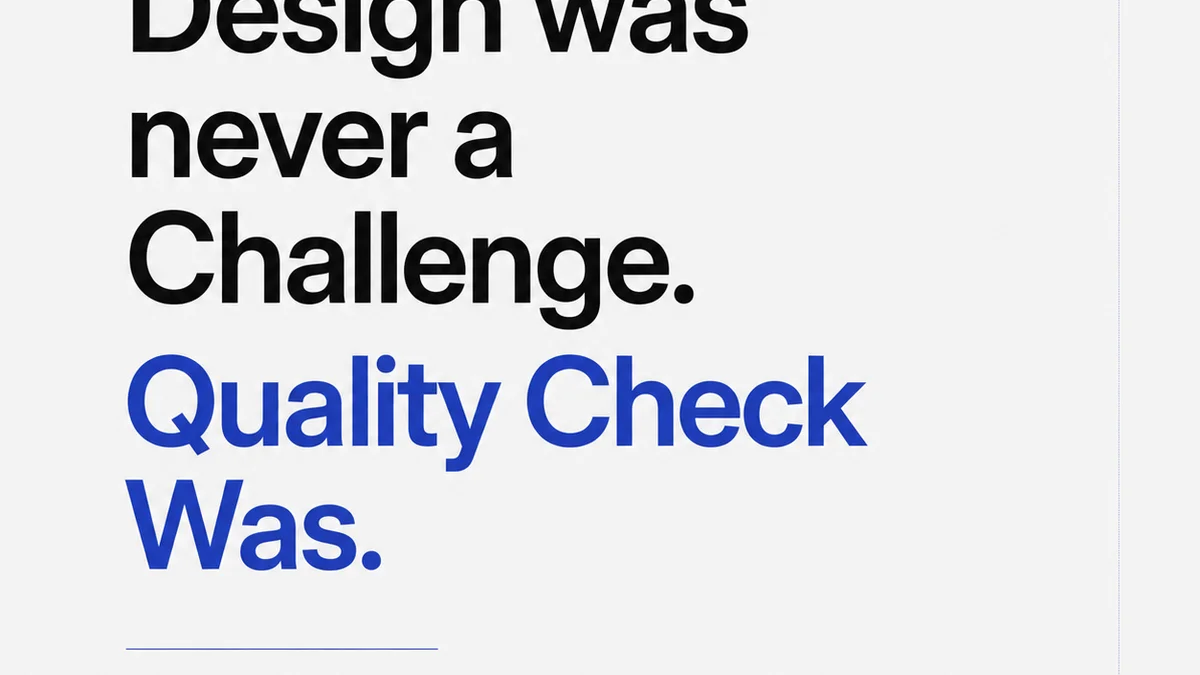
The hard truth? The biggest workflow shifts aren’t about the *what* of creative work, but the *how*. They’re about the plumbing, the process, the relentless pursuit of operational clarity.
For leaders, this means looking past the hype and digging into the operational bedrock. It’s about building systems that support creativity, not just hoping creativity happens.
1. The Myth of the Freelance Surge
The narrative is simple: agencies are ditching full-time staff for a flexible freelance army. It sounds efficient, agile.
But the reality is more complex, and frankly, more challenging.
Sure, freelance talent is crucial. But relying solely on a fluctuating pool of contractors creates its own set of problems:
- Onboarding friction and knowledge drain.
- Inconsistent quality and brand voice.
- Communication overhead and project management headaches.
- Difficulty scaling specialized skills rapidly.
- Intellectual property and security risks.
The real trend isn’t *just* freelancing. It’s about strategic talent augmentation. It’s about understanding where your core team excels and where external expertise is a force multiplier, not a replacement.
This requires a sophisticated approach to talent management. It means building robust processes for vetting, integrating, and managing freelance partners as extensions of your core team. It’s about treating them like valued collaborators, not disposable resources.
The Core vs. The Flex
Your core team needs to be the anchor. They own the client relationships, the strategic vision, the brand guardianship.
Freelancers should fill the gaps. They bring specialized skills for specific projects, burst capacity, or niche expertise that’s uneconomical to keep in-house.
The workflow challenge here is seamless integration. How do you get a remote freelancer up to speed on a complex brand in hours, not days? How do you ensure their output matches your internal standards without constant hand-holding?
2. Feedback Hell: The Real Bottleneck
We all know feedback is essential. It’s how creative work evolves.
But for too long, feedback has been the Wild West of creative production.
Emails get lost. Comments on PDFs are missed. Stakeholders give conflicting direction. Revisions pile up, causing delays and frustration. The client feels unheard, the team feels overwhelmed.
This isn't just annoying; it's a fundamental workflow breakdown. It kills productivity and erodes client trust.
The trend here isn’t about getting *more* feedback; it’s about getting smarter, more organized, and more actionable feedback.
This means moving away from chaotic, asynchronous communication channels and towards structured, centralized feedback loops.
The Cost of Ambiguity
Vague feedback like “make it pop” or “I don’t like it” is useless. It forces endless, aimless revisions.
Structured feedback, on the other hand, is specific, contextual, and objective. It points to a particular element and explains the *why* behind the requested change.
The workflow trend is towards platforms and processes that facilitate this:
- Visual annotation directly on creative assets.
- Clear version control for revisions.
- Consolidated stakeholder approvals.
- Automated notifications and reminders.
- A single source of truth for all feedback.
When feedback is clear, centralized, and trackable, revisions become efficient, not agonizing.
3. The Illusion of Creative Autonomy
There’s a romantic notion that creatives thrive in a vacuum, free from the shackles of process and deadlines.
Leaders often feel pressured to maintain this illusion, fearing that imposing structure will stifle innovation.
But structure isn’t the enemy of creativity; it’s the enabler of creativity.
Think about it: a sculptor doesn’t lament the existence of a chisel. A musician doesn’t resent the constraints of a musical scale. These are the tools and frameworks that allow mastery.
For creative teams, workflow is the modern chisel and scale. It provides the boundaries and efficiencies that free up cognitive bandwidth for the actual creative thinking.
Process as a Platform
The real trend is about building a predictable, repeatable creative engine. This isn’t about bureaucracy; it’s about creating a reliable system where great work can consistently emerge.
This involves:
- Clearly defined project stages and deliverables.
- Standardized templates for briefs and reports.
- Automated task assignments and tracking.
- Built-in quality assurance checkpoints.
- Streamlined client communication protocols.
When the operational noise is reduced, the signal of creative brilliance can finally be heard. Teams can focus on solving problems, not navigating chaos.
4. The Rise of Proactive Quality Control
Too often, quality control is an afterthought. It’s the final check before delivery, a frantic scramble to catch errors.
This reactive approach is inefficient and risky.
It leads to missed deadlines, last-minute fixes, and potentially damaged client relationships.
The forward-thinking trend is to embed quality assurance (QA) throughout the entire workflow, not just at the end.
QA as a Continuous Process
This means shifting QA from a gatekeeper function to an integrated part of the creative process. Every stage should have built-in checks:
- Briefing QA: Is the brief clear, complete, and actionable?
- Concept QA: Do the initial concepts align with the brief and strategy?
- Design/Execution QA: Are there technical errors? Is the execution on-brand?
- Content QA: Is the copy error-free and on-message?
- Final QA: Does the final deliverable meet all requirements and standards?
Implementing this requires clear checklists, standardized review criteria, and assigning ownership for QA at each step. It’s about building quality in from the start, not bolting it on at the end.
Where Revue Fits In
Navigating these workflow trends demands more than just good intentions. It requires the right operational infrastructure.
This is where a platform like Revue becomes essential.
It’s built to tackle the core operational challenges that hinder creative output:
- Centralized Feedback: Ditch the email chains and scattered comments. Revue provides a single, visual space for all client feedback, directly on the creative assets. This means clarity, context, and no more missed instructions.
- Revision & Approval Visibility: Track every version, every change, every approval. Revue offers an undeniable audit trail, reducing disputes and ensuring everyone is on the same page. Know exactly where a project stands and who signed off on what.
- Quality Assurance Tools: Integrate QA checks directly into your workflow. With clear versioning and consolidated feedback, you can ensure that quality standards are met at every stage, preventing last-minute firefighting.
Revue isn’t about replacing the creative process; it’s about streamlining the operational framework that supports it. It’s about giving creative leaders the control and visibility they need to deliver exceptional work, consistently.
Final Thought
The future of creative workflow isn’t about the next big technological leap. It’s about mastering the fundamentals of process, communication, and operational rigor.
Are you building a creative engine, or just a collection of talented individuals chasing deadlines?
Frequently asked questions
What is the most common misconception about creative workflow trends?
A common misconception is that the biggest trends are all about new technologies like AI or the metaverse. While these are important, the more impactful shifts are often operational: how teams manage feedback, integrate talent, and build repeatable processes.
How does centralized feedback improve creative workflows?
Centralized feedback eliminates scattered communication across emails, chats, and documents. It provides a single source of truth, with clear annotations and version control, reducing confusion, speeding up revisions, and ensuring all stakeholders are aligned.
Why is structured process important for creativity?
Structure isn't the enemy of creativity; it's an enabler. A well-defined workflow provides the boundaries and efficiencies that free up creative minds to focus on problem-solving and innovation, rather than getting bogged down in operational chaos.
How can agencies manage freelance talent effectively?
Effective freelance management involves treating them as strategic partners. This means having clear onboarding, robust communication protocols, standardized feedback processes, and ensuring they integrate seamlessly with your core team and quality standards.