Everyone talks about the creative process. The brainstorming, the sketching, the pixel-pushing. But what happens after the client sees the work? That’s where most agencies get stuck. They think design approval is just a final sign-off, a formality before launch.
None of that is wrong. But it’s incomplete.
The hard truth? Design approval isn't a checkpoint; it's a potential chokepoint. It’s an operational bottleneck that directly impacts project timelines, team morale, and ultimately, client happiness. If you’re not managing it ruthlessly, you’re bleeding time and money.
1. The Myth of the 'Quick Look'
Clients often see design as subjective. They think they can just glance at a mockup and know if it's 'right.' This leads to vague feedback like ‘make it pop more’ or ‘I don’t love the color.’
This isn't a critique of clients; it's a critique of how we handle their input. We allow ambiguity to fester.
Think about it:
- Is ‘pop’ about contrast? Typography? Animation?
- Is ‘color’ about the hue, saturation, or tone?
- Is it a gut feeling or a strategic misalignment?
Without a structured way to elicit and interpret feedback, these 'quick looks' become endless revision cycles. Each vague comment requires interpretation, guesswork, and more rounds of work. This is where projects go sideways.
2. The True Cost of Rework
Rework isn’t just about the hours spent. It’s a cascade of hidden costs:
- Delayed Timelines: Every revision cycle pushes back launch dates, impacting marketing campaigns and revenue for your client.
- Eroded Profit Margins: Agency time is billable. Unforeseen revisions eat into profits, especially on fixed-fee projects.
- Team Burnout: Constantly redoing work that felt 'done' is demoralizing. It drains creative energy and leads to resentment.
- Damaged Client Relationships: Endless back-and-forth erodes client trust. They start to doubt your process and your expertise.
It’s easy to get lost in the weeds of individual revisions. But the cumulative effect is devastating to your agency’s bottom line and reputation.
3. Setting Clear Expectations Upfront
The foundation of smooth design approval lies in setting expectations *before* the first pixel is placed. This isn't about being difficult; it's about being professional.
3.1. Define the Scope and Objectives
What is this design *supposed* to achieve? What are the measurable goals? Every design decision should tie back to these objectives. Without them, feedback becomes subjective noise.
Ensure these are documented and agreed upon by all stakeholders.
3.2. Establish the Review Process
How will feedback be collected? Who is the final decision-maker? What are the review timelines? Make this crystal clear from day one.
A common mistake is allowing feedback from too many sources without a clear hierarchy. This creates conflicting directions.
3.3. Clarify Revision Rounds
How many rounds of revisions are included in the project scope? What constitutes a 'round'? What happens if more are needed?
Be explicit about what is included and what is considered out-of-scope work. This prevents scope creep disguised as 'minor tweaks'.
4. Eliciting Actionable Feedback
Vague feedback is the enemy of efficient design approval. Your job is to guide clients toward specificity.
4.1. Use Structured Feedback Tools
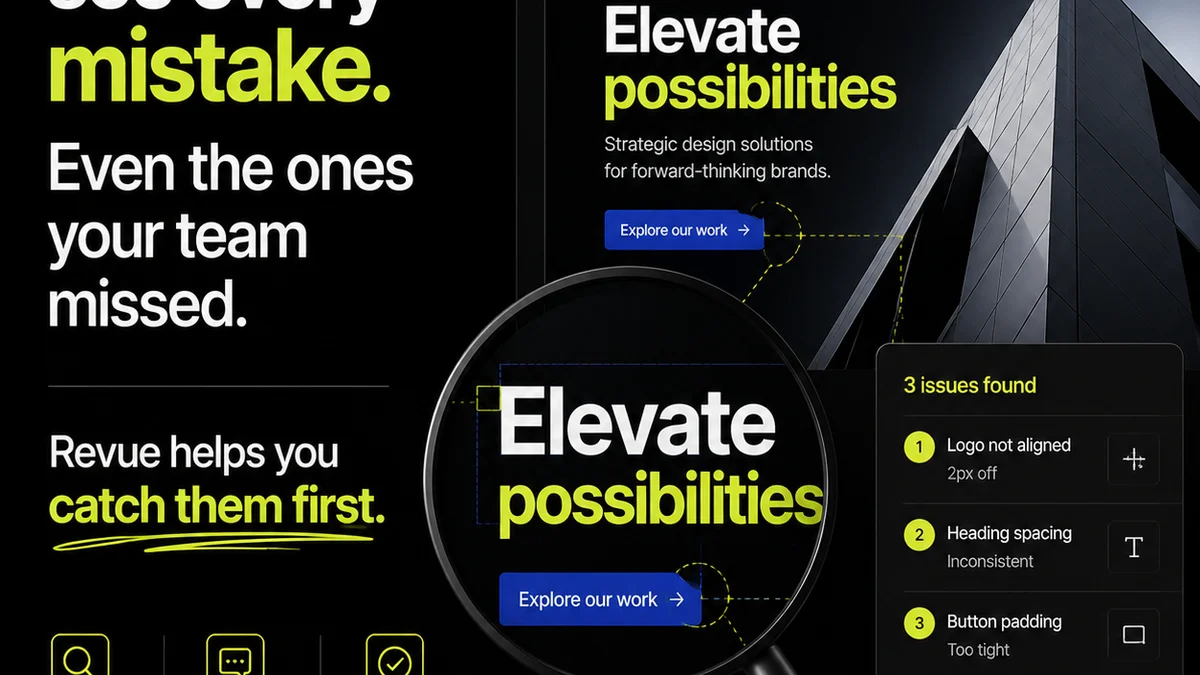
Email chains and random Slack messages are chaos. Use a dedicated platform where feedback can be attached directly to the design elements.
This visual context is crucial. It removes ambiguity about *what* is being discussed.
4.2. Ask Probing Questions
When you receive vague input, don't just guess. Ask clarifying questions:
- “Can you tell me more about what you mean by ‘less corporate’?”
- “What specific elements are you referring to when you say ‘it feels off’?”
- “How does this change align with the original project goals we agreed upon?”
Your role is to translate their feelings into concrete design actions. This requires active listening and strategic questioning.
4.3. Separate Subjective vs. Objective Feedback
Help clients distinguish between subjective preferences and objective requirements. A 'gut feeling' is valid, but it needs to be framed within the project’s strategic goals.
Is the feedback based on personal taste, or does it address a functional or strategic issue?
5. The Role of the Creative Director
The Creative Director (CD) is the gatekeeper of quality and the translator for clients. They own the approval process.
A strong CD doesn't just manage people; they manage the *flow* of creative work and feedback.
This involves:
- Strategic Interpretation: Understanding client needs and translating them into design direction.
- Quality Control: Ensuring the final output meets brand standards and project objectives.
- Client Advocacy: Guiding clients toward decisions that serve the project's goals, even when it’s difficult.
- Team Shielding: Protecting the creative team from unnecessary noise and conflicting feedback.
The CD’s ability to navigate these waters directly impacts the efficiency of the design approval process.
6. Where Revue Fits In
Managing design approvals manually is a recipe for disaster. Spreadsheets, email threads, and endless meetings create silos and confusion.
Revue is built to eliminate these bottlenecks.
It provides a centralized platform for:
- Organizing Feedback: All client comments, annotations, and approvals live in one place, linked directly to the design assets. No more hunting through emails.
- Streamlining Revisions: Track changes, manage versions, and see the history of feedback and revisions at a glance. This clarity prevents duplicate work.
- Ensuring Visibility: Stakeholders can see the status of approvals, who needs to act, and what feedback has been addressed. This transparency builds trust.
- Automating Workflows: Set up automated notifications and reminders so nothing falls through the cracks. Keep the project moving forward.
By centralizing the feedback loop and making the revision process transparent, Revue helps agencies move from reactive firefighting to proactive project management. It turns a potential bottleneck into a smooth, predictable part of the workflow.
7. Final Thought
Design approval isn't just a step in the process; it's a process in itself. If you treat it as an afterthought, you’re leaving your agency’s efficiency and profitability to chance.
Are you managing your design approvals, or are they managing you?
Frequently asked questions
What is the biggest mistake agencies make with design approval?
The biggest mistake is treating design approval as a passive sign-off rather than an active, managed process. This leads to vague feedback, endless revisions, and project delays.
How can I get more specific feedback from clients?
Use structured feedback tools that allow annotation directly on the design. Ask clarifying, probing questions to understand the 'why' behind their requests and differentiate subjective preferences from objective needs.
What role does a Creative Director play in design approval?
The Creative Director acts as a strategic interpreter and quality gatekeeper. They translate client needs into actionable design direction, ensure brand consistency, and shield the team from conflicting feedback, guiding the approval process effectively.
How does a platform like Revue help with design approval?
Revue centralizes all feedback and revisions, provides clear visibility into the approval status, and streamlines communication. This eliminates confusion, reduces manual tracking, and prevents costly bottlenecks.