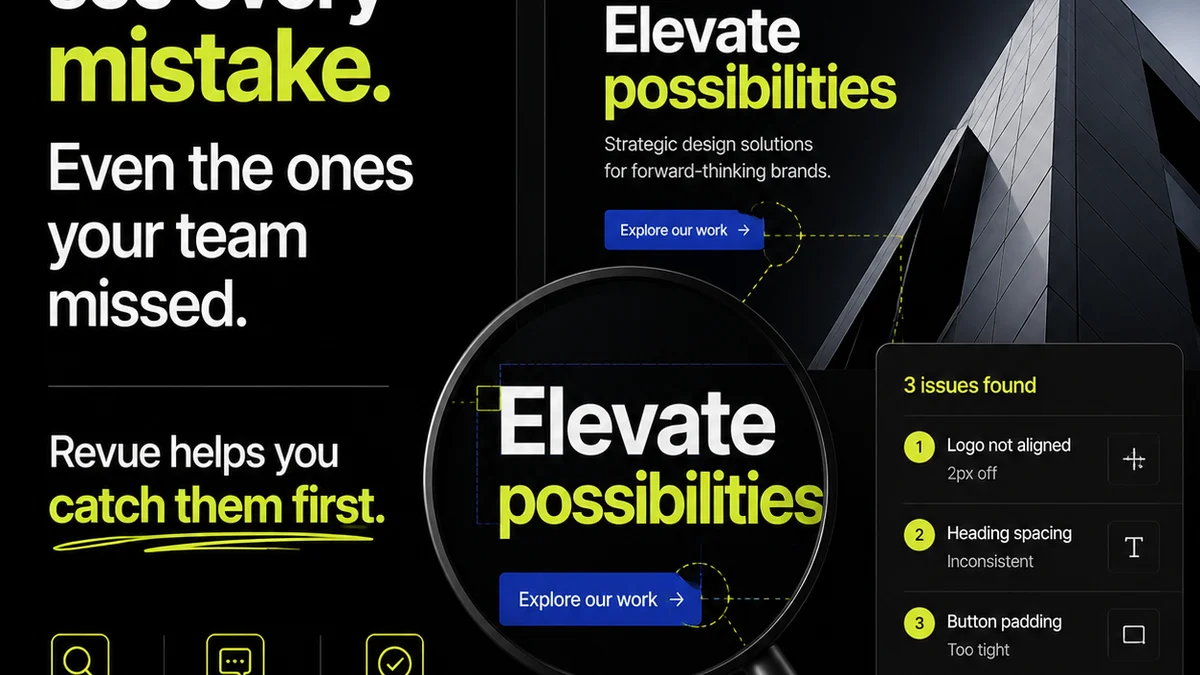
Everyone talks about design collaboration. They say it’s about clear communication. It’s about using the right tools. It’s about fostering a positive team culture.
None of that is wrong. But it’s incomplete.
The hard truth about effective design collaboration is that it’s not just about *talking* better. It’s about *working* better. It’s about structuring your entire process to eliminate friction, not just smooth it over.
True collaboration isn’t a nice-to-have. It’s the engine that drives efficiency, catches errors, and ultimately, produces better creative work. If your team is constantly tripping over itself, chasing down feedback, or stuck in endless revision loops, you’re not collaborating. You’re just… busy.
1. Define the Workflow, Not Just the Tools
You’ve probably got Slack, Figma, maybe Asana or Trello. You might even have a dedicated proofing tool. But are these tools dictating your workflow, or is your workflow dictating how you use the tools?
Most teams assume having the tools is enough. They buy the latest software, hoping it’s a magic bullet for their collaboration woes. It never is.
The real work happens when you map out the actual steps a project takes. From initial brief to final delivery, every touchpoint needs clarity.
The Feedback Loop Breakdown
Think about a typical project. Where does collaboration usually break down?
- Unclear brief interpretations.
- Ambiguous or subjective feedback.
- Feedback arriving too late in the process.
- Multiple stakeholders giving conflicting input.
- Difficulty tracking which version is the latest.
- Revisions based on misinterpretations of feedback.
- Approvals that are informal or easily missed.
These aren't tool problems. These are process problems.
Mapping Your Process
Start by documenting your current workflow. Be brutally honest.
Then, redesign it with collaboration at its core.
This means defining:
- Clear roles and responsibilities: Who owns what at each stage?
- Defined feedback stages: When is feedback requested? Who provides it? What format should it take?
- Revision protocols: How many rounds are standard? How are changes logged?
- Approval gates: What constitutes a final sign-off? Who gives it?
- Communication channels: When do you use email, chat, or a dedicated platform?
This isn't about bureaucracy. It's about creating guardrails that prevent chaos.
2. Standardize Your Briefing Process
Garbage in, garbage out. It’s an old saying, but it’s the bedrock of good design collaboration.
If the initial brief is vague, incomplete, or open to interpretation, every subsequent step is built on shaky ground.
Many agencies treat the brief as a formality. A quick chat, a few bullet points, and off they go. This is a recipe for scope creep and endless revisions.
What Makes a Brief *Good*?
A truly collaborative brief is a shared document, not a unilateral decree. It should include:
- Project objectives: What are we trying to achieve?
- Target audience: Who are we talking to?
- Key messages: What absolutely must be communicated?
- Deliverables: What exactly needs to be produced?
- Mandatories: Brand guidelines, legal requirements, etc.
- Success metrics: How will we know if it worked?
- Timeline and budget: Realistic expectations.
Crucially, the brief should be reviewed and signed off by both the client and the internal team before any creative work begins.
This shared understanding is the first, and perhaps most critical, collaboration point.
3. Centralize Feedback — Ruthlessly
This is where most teams feel the pain. Feedback scattered across emails, Slack threads, meeting notes, and random sticky pads is a collaboration killer.
It’s inefficient, prone to error, and deeply frustrating for designers. Trying to synthesize feedback from a dozen different sources is a project in itself.
You need a single source of truth for all project feedback.
That means moving away from ad-hoc communication methods for critical input.
The Cost of Scattered Feedback
Consider the hidden costs:
- Time spent searching for comments.
- Misinterpreting feedback due to lack of context.
- Re-doing work because a crucial comment was missed.
- Conflict arising from conflicting comments.
- Client frustration when they see revisions that don’t reflect their input.
This isn’t just about convenience; it’s about accuracy and speed.
Establishing a Central Hub
Whether it’s a dedicated project management tool, a version control system, or a specialized review platform, pick one place for all creative feedback.
Train your team and your clients to use it exclusively for feedback on creative assets.
This requires discipline. It means politely redirecting feedback that arrives elsewhere.
“Great point, Sarah. Could you pop that into the comment section on the latest version in Revue?”
It sounds simple, but making it a non-negotiable practice transforms your workflow.
4. Make Revisions Visible and Trackable
Collaboration isn’t just about getting feedback; it’s about acting on it and showing the evolution of the work.
When a designer makes revisions, those changes need to be clearly visible to the client and the team. This prevents the dreaded “I don’t remember asking for that” scenario.
Equally important is tracking what changed and why*. This builds a clear audit trail.
The Revision Maze
Without clear tracking, teams get lost:
- Did they address the client’s primary concern?
- Was the minor tweak requested by marketing actually implemented?
- Which version of the logo is the one with the slightly adjusted kerning?
This ambiguity leads to duplicated effort and eroding trust.
Building Transparency
Your collaboration system should allow for:
- Version comparison: Easily see differences between iterations.
- Annotated changes: Comments tied directly to specific design elements.
- Revision history: A log of all changes made and by whom.
- Clear approval status: Know exactly where each asset stands.
When clients can see the direct impact of their feedback and the progress of revisions, they feel more in control and more confident in the process.
5. Define Clear Approval Gates
This is the finish line. But for many teams, the finish line is blurry and constantly moving.
What constitutes a final approval? Is it a nod in a Slack channel? An email reply saying “Looks good”?
These informal methods are dangerous. They lack accountability and are easily misinterpreted.
A formal, documented approval process is non-negotiable for protecting your team and your client relationship.
The Perils of Informal Approvals
Informal approvals lead to:
- Clients changing their minds after work has progressed.
- Disputes over what was actually agreed upon.
- Scope creep disguised as minor adjustments.
- Difficulty in accurately scoping and billing projects.
It’s the Wild West of project management.
Implementing Formal Sign-offs
Your process should require explicit, documented approval at key project milestones.
- Define approval criteria: What must be true for an asset to be approved?
- Designate approvers: Who has the authority to sign off?
- Use a system: Employ a tool that requires a click, a digital signature, or a clear status change to mark approval.
- Communicate clearly: Ensure clients understand that only formal approvals move the project forward.
This creates a clear record and mutual understanding, preventing costly misunderstandings down the line.
Where Revue Fits In
You might be thinking, “This sounds like a lot of process. How do we manage it without adding more overhead?”
That’s precisely where a platform like Revue comes in.
We’re built to take the friction out of these essential collaboration steps.
Revue provides a centralized hub for all your client feedback. Instead of chasing emails or deciphering Slack messages, all comments are attached directly to the creative assets, with full context.
You can set up clear revision stages, track every change, and get explicit client approvals within the platform. This transforms the chaotic back-and-forth into a clear, documented, and efficient process.
No more guessing which version is final. No more disputes over feedback. Just streamlined collaboration that lets your team focus on what they do best: creating amazing work.
Final Thought
Effective design collaboration isn't about finding the perfect tool. It's about building a robust, transparent, and efficient process that treats feedback and approvals as critical project milestones, not afterthoughts.
Are you managing collaboration, or is collaboration managing you?
Frequently asked questions
What is the most common mistake teams make in design collaboration?
The most common mistake is relying solely on communication tools like email or chat for feedback and approvals. This leads to scattered information, missed comments, and disputes. Effective collaboration requires a structured process and a centralized system for all feedback and sign-offs.
How can we ensure clients provide useful feedback?
Provide clients with a clear, structured briefing document upfront. During the review process, use a centralized platform where feedback is specific, actionable, and tied directly to the design elements. Guide them on what kind of input is most helpful at each stage.
What's the difference between a brief and a project scope?
A brief defines the 'what' and 'why' of a project – the objectives, audience, and core message. A scope defines the 'how much' and 'what specifically' – the deliverables, timelines, and budget. Both are critical for collaboration and should be clearly defined and agreed upon.
How many revision rounds should a project allow?
The number of revision rounds should be clearly defined in the project scope and contract. While flexibility is important, establishing a standard number (e.g., two to three rounds) prevents endless scope creep and ensures projects stay on track. Any additional rounds should be treated as out-of-scope work.