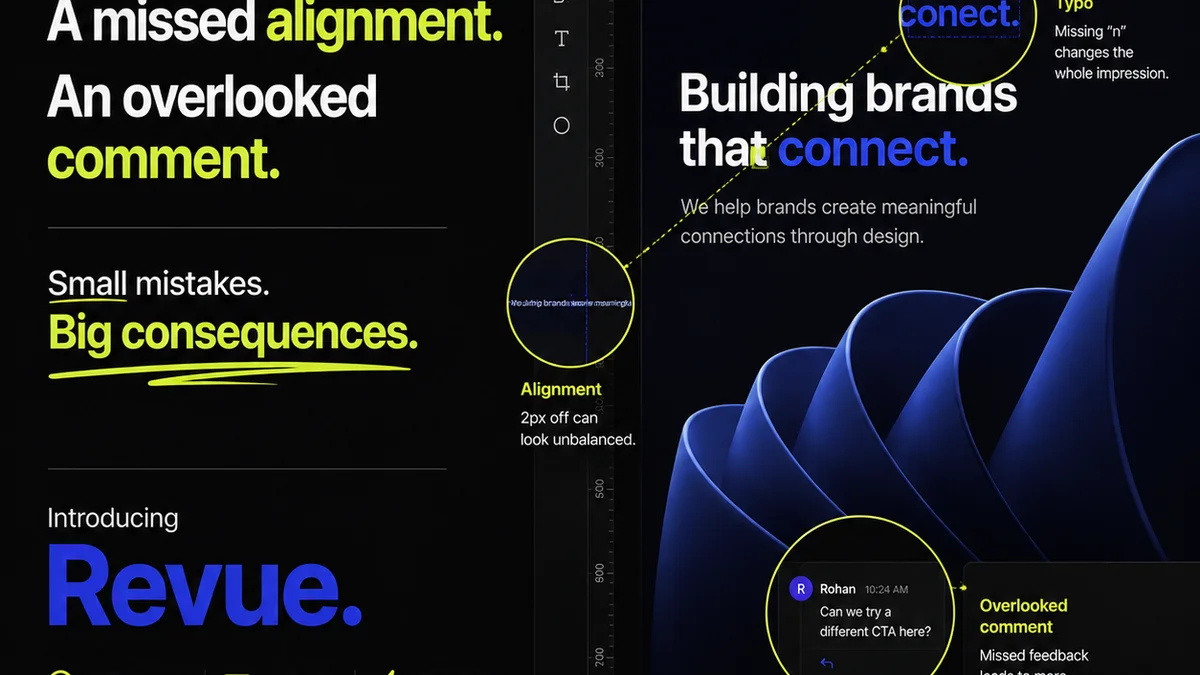
Everyone agrees that good design documentation is important. You’ve probably heard it all before: it helps onboard new team members, it keeps projects organized, it serves as a reference point for future work. None of that is wrong. But it’s incomplete.
The hard truth? Most agencies treat design documentation as a chore, a box to tick after the real work is done. This is a massive strategic error.
World-class agencies don't just do design documentation; they leverage it. They understand that robust, accessible documentation is a competitive advantage. It’s not about making pretty PDFs; it’s about building a more efficient, predictable, and profitable business.
1. The Myth of 'Just Get It Done'
The prevailing attitude is that documentation is a drag on billable hours. The client wants a website, a logo, a campaign. They don’t want to pay for the Word doc that explains *why* certain decisions were made. This thinking is shortsighted.
When documentation is an afterthought, it’s often:
- Incomplete
- Outdated
- Hard to find
- Inconsistent
- Written by whoever had five minutes free
This leads to endless clarification loops, scope creep disguised as
Frequently asked questions
What is the primary purpose of design documentation in an agency?
Beyond serving as a historical record, good design documentation acts as a strategic tool. It clarifies decisions, streamlines communication, ensures consistency, manages client expectations, and ultimately protects the agency's profitability by minimizing misunderstandings and scope creep.
How can agencies make design documentation less of a burden?
Integrate documentation into the workflow from the start. Use templates, leverage collaborative tools, and empower team members to see documentation as part of the creative output, not an add-on. Automate where possible, like capturing feedback directly within a project management system.
What are the key components of effective design documentation?
Effective documentation typically includes project briefs, mood boards, style guides, wireframes, mockups, prototypes, user flows, content matrices, and final asset specifications. Crucially, it also includes a clear record of client feedback, approvals, and any scope changes.
How does design documentation help manage client expectations?
By clearly outlining project scope, deliverables, timelines, and decision-making processes, documentation sets clear expectations. It provides a tangible reference point for discussions and approvals, reducing subjective interpretations and preventing 'scope creep' where clients ask for more than initially agreed.