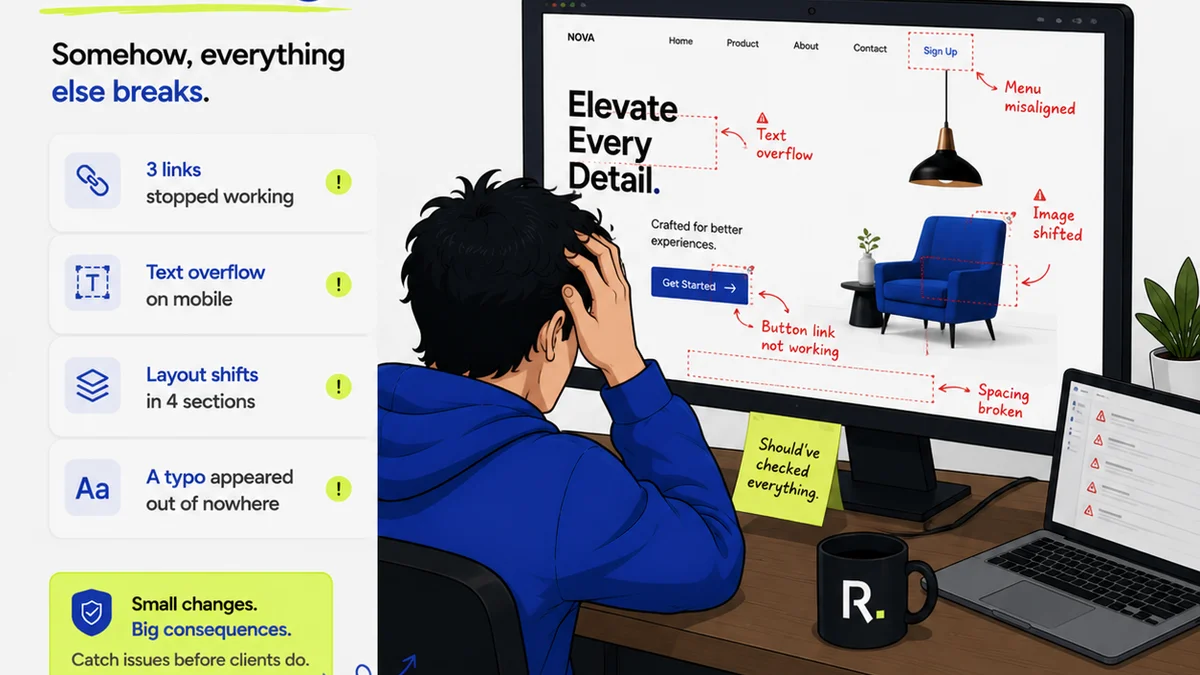
You’ve probably heard that good design documentation is critical. That it saves time, prevents errors, and keeps projects on track. None of that is wrong. But it’s incomplete.
The real truth? For most agencies, “documentation” conjures up images of endless Word docs, confusing spreadsheets, and tasks that feel like busywork. It’s seen as a necessary evil, a chore to get through before the *real* work can begin. That’s a mistake.
The best agencies don’t see documentation as a separate task. They see it as an integral part of the creative process itself. It’s not about creating *more* documents; it’s about creating *clearer* communication, *tighter* alignment, and *better* creative outcomes. It’s about making sure everyone, from the junior designer to the client, is on the same page, every step of the way.
Let’s cut through the noise. Here’s how top-tier agencies actually nail design documentation.
1. It Starts with Strategy, Not Specs
Too many teams jump straight into creating brand guidelines or style guides. They focus on the *what* – colors, fonts, logos. But they skip the *why*.
World-class agencies anchor their documentation in the project’s strategic foundation. What are we trying to achieve? Who are we talking to? What’s the core message? This strategic context is the bedrock upon which all visual decisions are made and documented.
The Strategic Brief as the Source of Truth
The project brief isn’t just a kickoff document. For leading agencies, it’s the living, breathing source of truth. It’s referenced constantly, updated as needed, and forms the basis for all subsequent design decisions.
- Project goals
- Target audience insights
- Key messaging
- Competitive landscape
- Unique selling propositions
This isn't just for the client. It's for your internal team. It ensures everyone understands the *purpose* behind the pixels.
2. Documentation is a Conversation, Not a Monologue
The assumption is that documentation is a static output. Something you create once and then file away. That’s where most of it fails.
The most effective design documentation is dynamic. It’s a record of ongoing conversations, decisions, and approvals. It’s transparent and accessible.
Real-Time Decision Logging
Instead of relying on scattered email threads or Slack messages, top agencies use platforms where decisions are logged in context. When a client approves a direction, or the team agrees on a color palette shift, it’s recorded right there, linked to the relevant design asset or project phase.
This eliminates the “he said, she said” scenarios that plague so many projects. It creates an irrefutable audit trail.
Collaborative Annotation
Documentation isn’t just for *recording* decisions; it’s for *making* them. This means enabling stakeholders to provide feedback directly within the context of the design itself. Not just comments, but actionable, trackable annotations that designers can act on immediately.
- Visual markup tools
- Contextual comments
- Version history tracking
- Clear approval workflows
When feedback is captured visually and systematically, the resulting documentation is richer and more actionable.
3. Focus on Decision Clarity, Not Just Deliverables
Many agencies meticulously document *what* was delivered – final logo files, website mockups, ad creatives. That’s necessary, but it’s not the whole story.
The most valuable documentation explains *why* certain decisions were made. It connects the final output back to the strategy and the feedback process.
The “Why” Behind the What
When you document the rationale for design choices, you equip your team and your client for future iterations. You build institutional knowledge.
Consider a brand guideline. A leading agency’s guidelines don’t just show a logo. They explain:
- When to use the primary logo vs. secondary variations.
- The minimum clear space requirements and *why* they matter for brand recognition.
- Specific examples of correct and incorrect logo usage with clear explanations.
- The emotional intent behind the chosen color palette.
This depth of explanation prevents misinterpretation down the line.
Version Control as a Narrative
Every revision is a chapter in the project’s story. Good documentation captures this narrative. It shows the evolution of the design, the feedback cycles, and the key turning points.
This isn’t just for historical reference. It helps clients understand the value and effort involved. It helps your team learn from past projects.
4. Make it Accessible, Not Archived
The biggest sin of documentation? It’s lost. Buried in a shared drive, locked in an old email account, or forgotten entirely.
Top agencies ensure their documentation is easily discoverable and accessible to everyone who needs it, when they need it.
Centralized Hubs for All Project Assets
Think of a single source of truth. Not multiple, siloed systems. A place where strategy documents, creative briefs, design assets, feedback logs, and final deliverables all live together.
This eliminates wasted time searching. It ensures everyone is looking at the most current information.
Living Style Guides and Brand Hubs
Instead of static PDFs that go out of date the moment they’re exported, leading agencies maintain dynamic, web-based style guides. These are often integrated directly with design tools or asset management systems.
- Up-to-date color palettes
- Font libraries with usage examples
- Iconography sets
- Imagery guidelines
- Tone of voice examples
These resources are living entities, updated as the brand evolves, ensuring consistency across all touchpoints.
5. Quality Control is Documentation in Action
Many see Quality Control (QC) as a final, separate step. A gatekeeper before launch.
For high-performing agencies, QC is woven into the documentation process itself. It’s about ensuring alignment and accuracy from the start.
Automated Checks and Balances
Where possible, leverage technology to automate checks. This could be ensuring color values are within brand standards, checking for broken links in web designs, or verifying image resolution.
These automated checks are documented, creating a clear record of compliance.
Structured Review Checklists
Even with automation, human oversight is key. But unstructured reviews are inefficient. Leading agencies use detailed checklists that are tied directly to project requirements and strategic goals.
- Brand consistency checks
- Usability and accessibility reviews
- Technical specification adherence
- Client brief alignment verification
These checklists become part of the project’s documented history, proving due diligence.
Where Revue Fits In
This is where the rubber meets the road. Centralizing client feedback, managing revisions, and running quality checks are the operational pillars that make robust design documentation possible.
Imagine a world where every piece of feedback, every revision request, and every approval is logged in one place, directly tied to the creative asset it concerns. No more hunting through emails or Slack channels. Just a clear, chronological record of decisions.
Revue acts as that central hub. It streamlines the process of gathering feedback, making it visual and contextual. It provides a clear audit trail of approvals, ensuring everyone knows what’s been signed off and why. And by facilitating structured review processes, it turns your quality control from a final hurdle into a continuous part of your workflow.
This isn’t about adding more admin. It’s about making the essential communication and decision-making transparent, efficient, and ultimately, more effective. It’s about ensuring your documentation serves the creative, not hinders it.
Final Thought
Is your agency’s documentation a source of clarity and strategic alignment, or is it just another box to tick? The difference isn’t in the tools you use, but in the mindset you adopt. Documentation isn’t a deliverable; it’s the ongoing, transparent record of how great creative gets made, together.
Frequently asked questions
What is the most important aspect of design documentation for agencies?
The most crucial aspect is aligning documentation with the project's strategy and ensuring it serves as a clear record of decisions, rather than just a list of deliverables. It should facilitate communication and understanding throughout the creative process.
How can agencies make design documentation more accessible?
Agencies can make documentation more accessible by using centralized platforms that house all project assets and communication in one place. Dynamic, web-based style guides and living brand hubs are also key, ensuring information is always up-to-date and easily discoverable.
What's the difference between a static and a living style guide?
A static style guide is a fixed document (like a PDF) that can quickly become outdated. A living style guide is dynamic, often web-based, and continuously updated to reflect current brand standards, usage examples, and guidelines, ensuring consistency.
How does documentation relate to quality control in agencies?
For leading agencies, quality control is integrated into the documentation process. This includes using structured checklists, automating checks where possible, and ensuring that all decisions and approvals are clearly logged. Documentation serves as proof of due diligence and adherence to standards.