Everyone knows you need to check for design errors. It seems obvious. Proofread copy, check image resolution, ensure links work. None of that is wrong. But it’s incomplete.
The hard truth is that most design error checking is reactive. You find problems *after* they’ve caused friction, blown a deadline, or worse, shipped to clients. Effective design error checking isn’t just about spotting typos; it’s about building a proactive system that prevents errors at every stage.
1. The Myth of the Final Review
The idea that one big review at the end catches everything is a fantasy. By the time you get to a “final review,” the work is already done, polished, and often, already approved by the client in spirit. This is where most errors that slip through are discovered – by the client, or worse, by users.
This late-stage check is crucial, but it’s a safety net, not a primary detection method. Relying on it means you're already in damage control.
The Symptoms of Late-Stage Reliance:
- Last-minute,
Frequently asked questions
What is the most common design error?
While it varies, common errors include overlooked typos, inconsistent branding, broken links, incorrect image resolutions, and accessibility issues. The most costly errors often stem from misinterpreting client feedback or a lack of clear revision tracking.
How can I make design error checking more efficient?
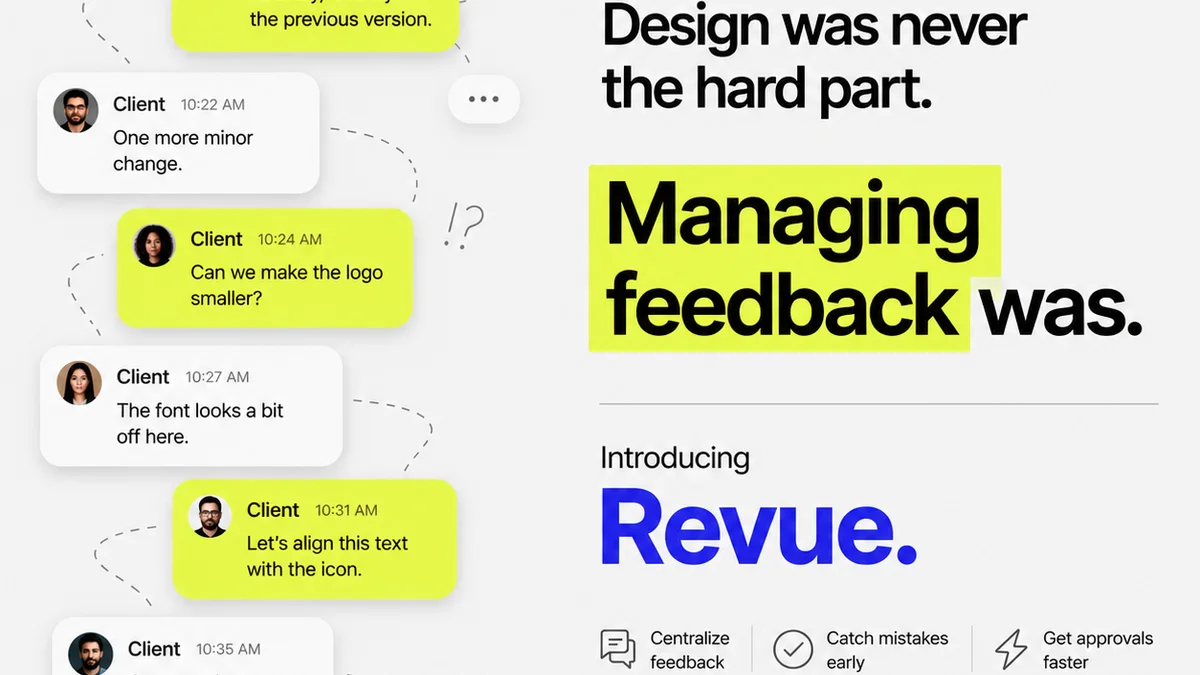
Implement a multi-stage checking process, use checklists, automate where possible (like with spellcheckers or link checkers), and centralize feedback to avoid miscommunication. Empower your team with clear guidelines and tools.
What's the difference between design QA and error checking?
Design error checking is about identifying mistakes. Quality Assurance (QA) is a broader, systematic approach to ensure the design meets all requirements, standards, and objectives, proactively preventing errors rather than just finding them.
How important is accessibility in design error checking?
Extremely important. Accessibility ensures your designs are usable by everyone, including people with disabilities. Checking for contrast ratios, keyboard navigation, and proper alt text is a critical part of modern design error checking and compliance.