Everyone talks about design handoff. You've probably heard it's about clear file naming conventions, organized folders, and maybe a style guide. None of that is wrong. But it’s incomplete.
The real truth? Design handoff isn't just a step; it's a bridge. And a poorly built bridge doesn't just slow things down; it collapses the entire project on the other side.
For agencies and in-house teams, mastering this phase is the difference between a smooth launch and a costly, reputation-damaging mess.
1. Beyond the Folder: Handoff as a Strategic Project Phase
Most teams treat handoff as the *end* of design work and the *start* of development or production. It’s the moment the designer throws the files over the wall.
This is the fundamental mistake.
The best agencies understand that handoff is an active, collaborative phase. It requires planning, communication, and a shared understanding of what “done” truly means for both the creative and the technical teams.
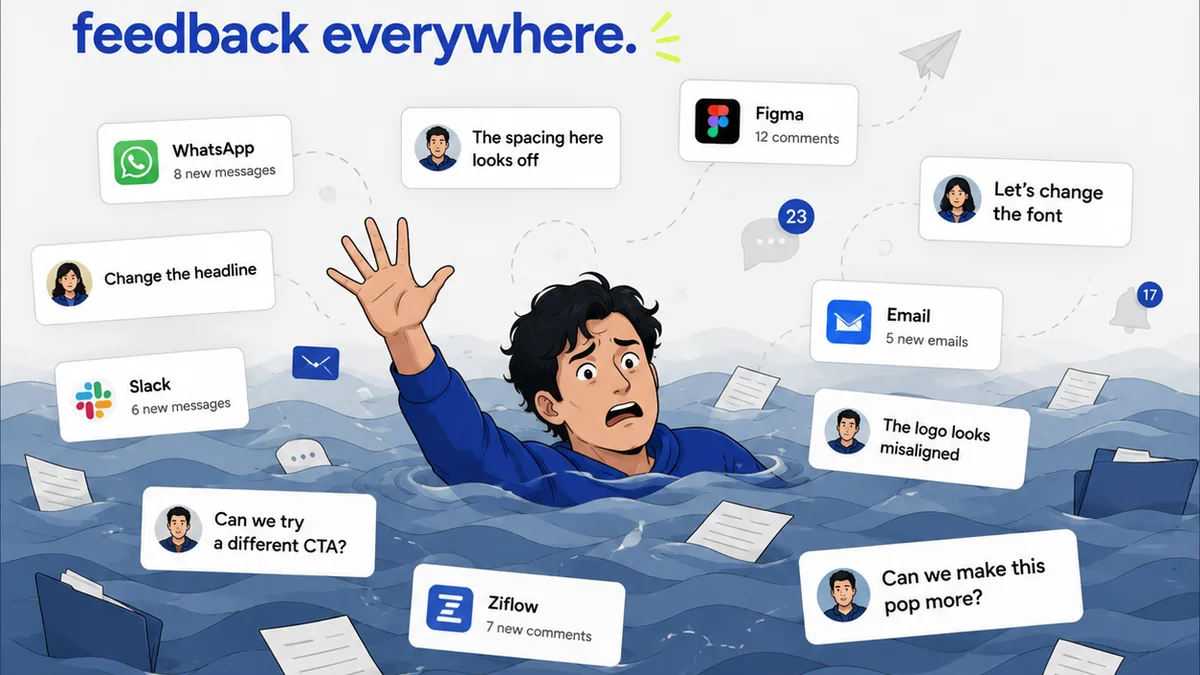
The Cost of a Reactive Handoff
- Endless developer questions about unintended consequences of design choices.
- Missed details that lead to costly rework later.
- Frustrated designers who feel their work is misunderstood.
- Developers struggling to interpret complex interactions or states.
- Stakeholders confused by the final output not matching their vision.
It’s not just about delivering assets. It’s about transferring knowledge, intent, and ensuring the final product accurately reflects the strategic goals and creative vision.
2. Defining
Frequently asked questions
What is the primary goal of design handoff?
The primary goal is to ensure a smooth and accurate transition of design assets and their underlying intent from the design team to the development or production team, minimizing errors and rework.
Who should be involved in the design handoff process?
Ideally, it involves designers, developers, project managers, and sometimes QA testers. Early and continuous involvement from developers is key.
How can agencies improve their design handoff process?
By treating it as a strategic phase, not just a file transfer. This includes clear documentation, collaborative review sessions, using specialized tools, and establishing a shared understanding of requirements and constraints.
What are common mistakes in design handoff?
Common mistakes include insufficient documentation, lack of developer input during the design phase, unclear specifications for interactive elements, and treating handoff as a final step rather than a collaborative bridge.