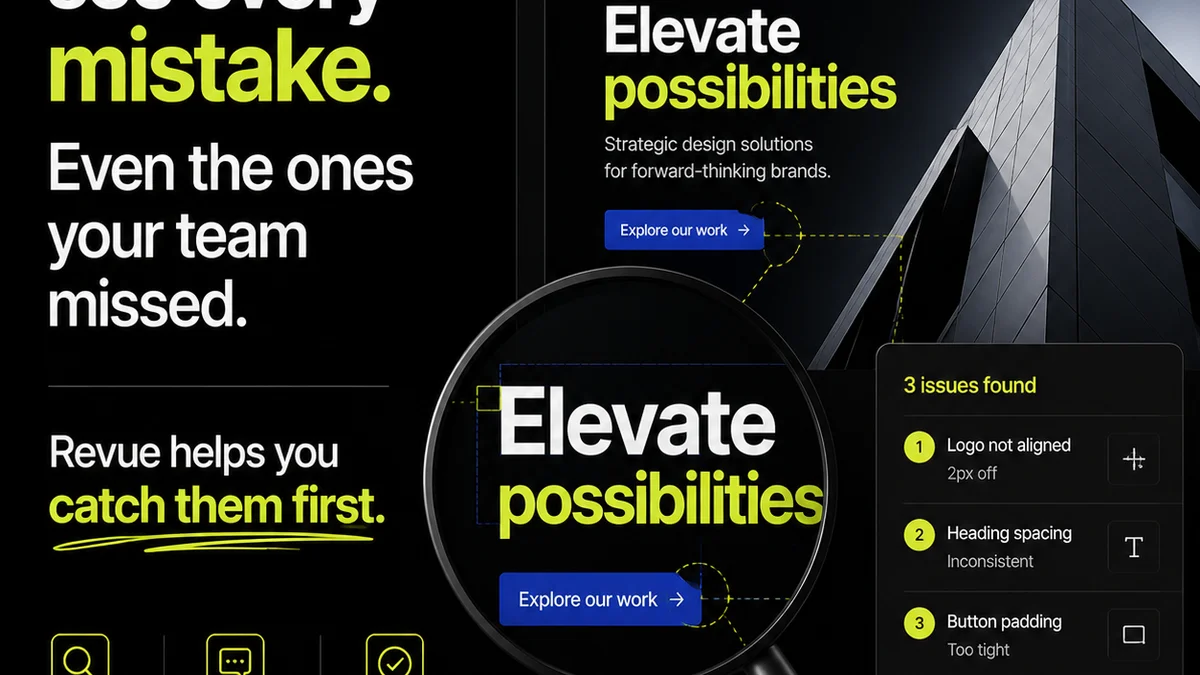
Everyone thinks design handoff is simple. You finish the designs, you export the assets, you send them over. Done.
None of that is wrong. But it’s incomplete. For enterprise teams, where complexity, scale, and stakes are exponentially higher, this casual approach is a fast track to missed deadlines, budget overruns, and fractured relationships between design and development.
The hard truth? Design handoff isn't a task; it's a critical phase of the project lifecycle. It requires strategic planning, clear communication, and robust tooling. It’s the bridge that ensures your carefully crafted creative vision doesn’t get lost, misunderstood, or mangled in development.
1. The Enterprise Handoff Maze
Enterprise projects aren't just bigger; they're more complex. Multiple stakeholders, intricate brand guidelines, legacy systems, and cross-functional teams create a unique set of challenges.
A simple file transfer won't cut it. You're dealing with:
- Varying levels of technical understanding across teams.
- Strict compliance and accessibility requirements.
- The need for meticulous version control.
- Integration with multiple existing platforms and tools.
- A constant pressure to deliver at speed without sacrificing quality.
This isn't about making pretty pictures. It's about ensuring that the *intent* behind those pictures is perfectly understood and executed.
The Cost of a Broken Handoff
When handoff breaks down, the ripple effects are significant:
- Scope Creep: Developers make assumptions, leading to rework.
- Delayed Timelines: Back-and-forth clarification eats up valuable time.
- Budget Overruns: Rework and extended timelines cost money.
- Brand Inconsistency: Inaccurate implementation dilutes brand identity.
- Technical Debt: Shortcuts taken due to unclear specs create future problems.
- Damaged Relationships: Frustration builds between design and development teams.
For enterprise, these aren't minor inconveniences. They're major operational failures.
2. Building Your Enterprise Handoff Framework
A successful handoff requires a structured, repeatable process. Think of it as a mini-project within your larger project.
This framework should cover everything from initial planning to final asset delivery and QA.
2.1. Pre-Handoff Planning: The Foundation
This starts *before* the first pixel is placed. Involve development early.
- Define Handoff Criteria: What constitutes a
Frequently asked questions
What are the biggest challenges in enterprise design handoff?
Enterprise challenges include managing multiple stakeholders, adhering to strict brand guidelines and compliance standards, integrating with complex legacy systems, and ensuring consistency across large-scale projects and diverse teams.
How can design and development teams improve communication during handoff?
Improve communication by involving developers early in the design process, using a centralized platform for feedback and asset management, establishing clear documentation standards, and scheduling regular sync-up meetings.
What are the key components of a design handoff checklist?
A comprehensive checklist includes: finalized design files, style guides, asset specifications (fonts, colors, spacing), interactive prototypes, accessibility notes, and clear instructions for any custom interactions or animations.
How does a design system impact the handoff process?
A design system streamlines handoff by providing pre-defined components and guidelines. This reduces ambiguity, ensures consistency, and speeds up development as components are already built and tested.