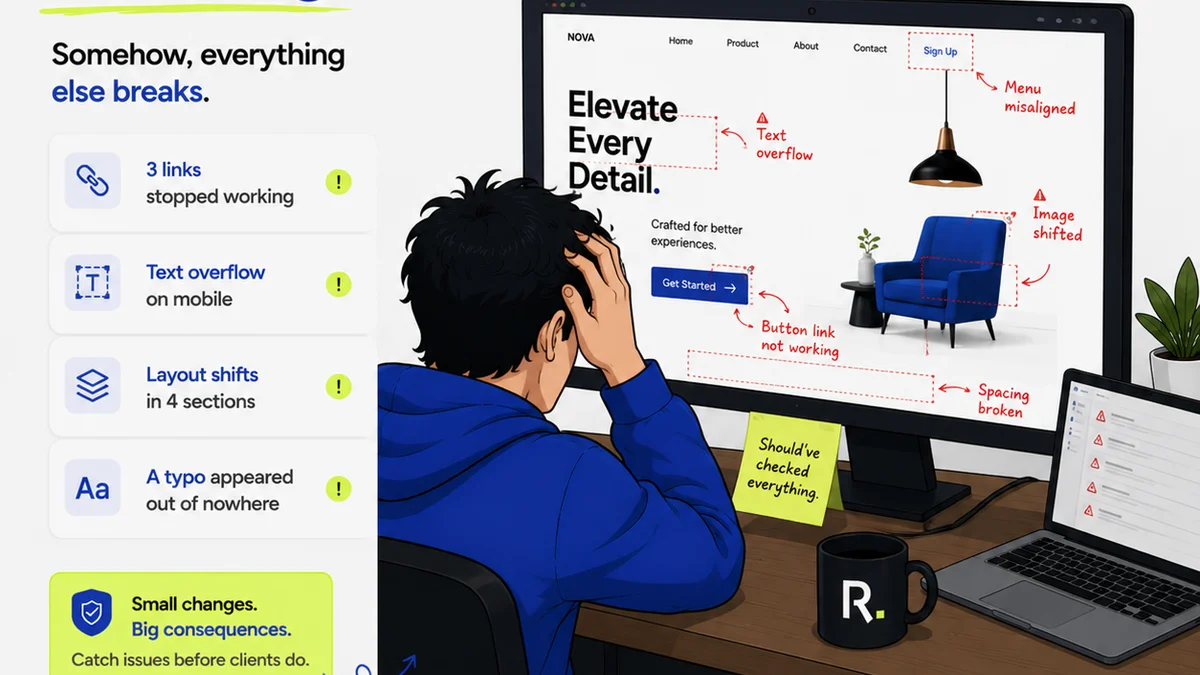
Everyone wants to be more productive. Especially in creative agencies and in-house design teams, the pressure to do more, faster, is relentless. You’ve probably read the articles: implement time-blocking, master keyboard shortcuts, get an ergonomic chair. None of that is wrong. But it’s incomplete.
The deeper truth? True design productivity isn’t about individual hacks. It’s about optimizing the entire workflow. It’s about clearing the systemic blockages that slow your team down, regardless of how fast they can click a mouse.
1. The Myth of the Always-On Creative
The Assumption: Great work happens when creatives are constantly in the zone, uninterrupted.
This sounds ideal. We imagine designers in a state of flow, churning out brilliance. But reality bites.
Constant
Frequently asked questions
What's the biggest misconception about design productivity?
The biggest misconception is that productivity is solely about individual time management hacks. While personal efficiency matters, true productivity gains come from optimizing the entire team's workflow and removing systemic bottlenecks.
How does client feedback impact design productivity?
Unstructured and delayed client feedback is a major productivity killer. It leads to endless revision cycles, rework, and miscommunication. Centralizing feedback and streamlining the approval process is crucial.
Can technology really improve design productivity?
Yes, but only if it addresses specific workflow pain points. Tools that centralize communication, manage revisions, and automate approvals can significantly boost efficiency. The key is choosing technology that fits your actual workflow, not the other way around.
What are common signs of poor design workflow?
Common signs include: constant context switching, unclear feedback, endless revision rounds, difficulty tracking project status, missed deadlines due to unclear approvals, and team burnout from inefficient processes.