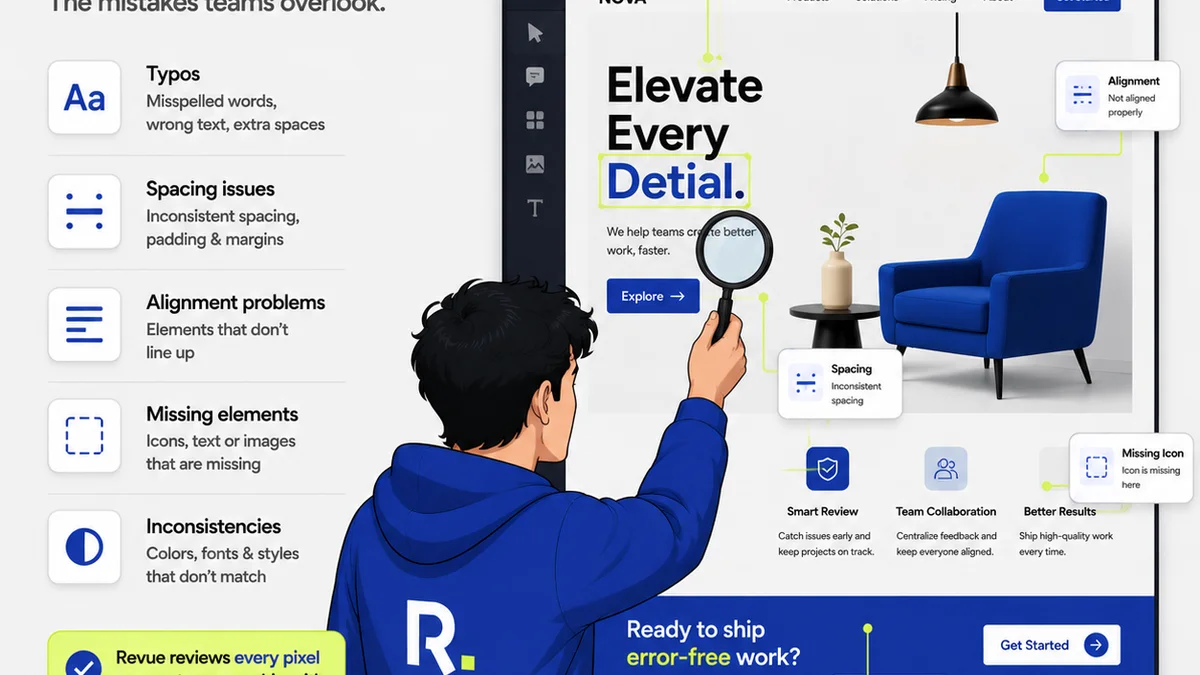
Everyone’s chasing design productivity. You see it everywhere: the latest AI tool, the slickest project management software, the most complex automation. The assumption is that more tech equals more output. Better, faster, cheaper creative work is just a software subscription away.
None of that is wrong. But it’s incomplete.
The hard truth for enterprise design teams is that productivity isn't a feature you bolt on. It's a system you build. It’s about mastering your workflow, not just adopting new tools. Enterprise scale compounds every inefficiency. Your productivity playbook needs to be as robust as your client roster.
1. The Illusion of Collaboration Tools
You’ve got Slack, Teams, Asana, Jira, Monday, Notion, Figma, Adobe CC, and probably a dozen other platforms. Your team jumps between them constantly. They’re meant to foster collaboration, but often they just create more noise.
Notifications ping relentlessly. Files get lost in endless chat threads. Version control becomes a nightmare of shared folders and conflicting edits. The tools themselves become the bottleneck.
This isn't collaboration. This is digital chaos.
The Real Collaboration Killer
It’s not the tools themselves. It’s the lack of a unified process for how information flows between them. When everyone has their own system, or no system at all, you get:
- Endless status update meetings.
- Wasted time searching for feedback or assets.
- Misunderstandings that lead to costly rework.
- Team members feeling overwhelmed and disengaged.
- Clients frustrated by slow response times.
Your enterprise team isn't a loose collection of freelancers. It's a finely tuned machine. And every gear needs to mesh perfectly.
2. Mastering the Feedback Loop
Client feedback is the lifeblood of creative work. But for enterprise teams, it’s often a black hole. Unstructured, vague, or contradictory feedback can derail entire projects.
The assumption is that the client knows what they want, and your job is to decipher it. The reality? Clients often struggle to articulate their needs, especially when faced with a broad spectrum of creative options.
Your process needs to guide them toward clarity.
From Vague to Actionable
Effective feedback management isn't about collecting comments. It’s about ensuring those comments are:
- Specific: Not
Frequently asked questions
What are the biggest productivity drains for enterprise design teams?
Common drains include unstructured client feedback, poor version control, tool fragmentation, excessive status meetings, and a lack of clear revision history. These all lead to wasted time, rework, and missed deadlines.
How can enterprise teams improve client feedback processes?
Implement a structured feedback system. Use tools that allow for contextual commenting, version tracking, and clear approval workflows. Train clients on how to provide specific, actionable feedback.
Is adopting more software the answer to design productivity?
No, not directly. While tools are important, productivity gains come from a well-defined, integrated workflow that leverages tools effectively. Too many tools without a process create fragmentation and confusion.
How does centralized feedback benefit an enterprise design team?
Centralized feedback eliminates silos, ensures all stakeholders see the same information, provides a clear audit trail, reduces misinterpretations, and speeds up the revision and approval process significantly.