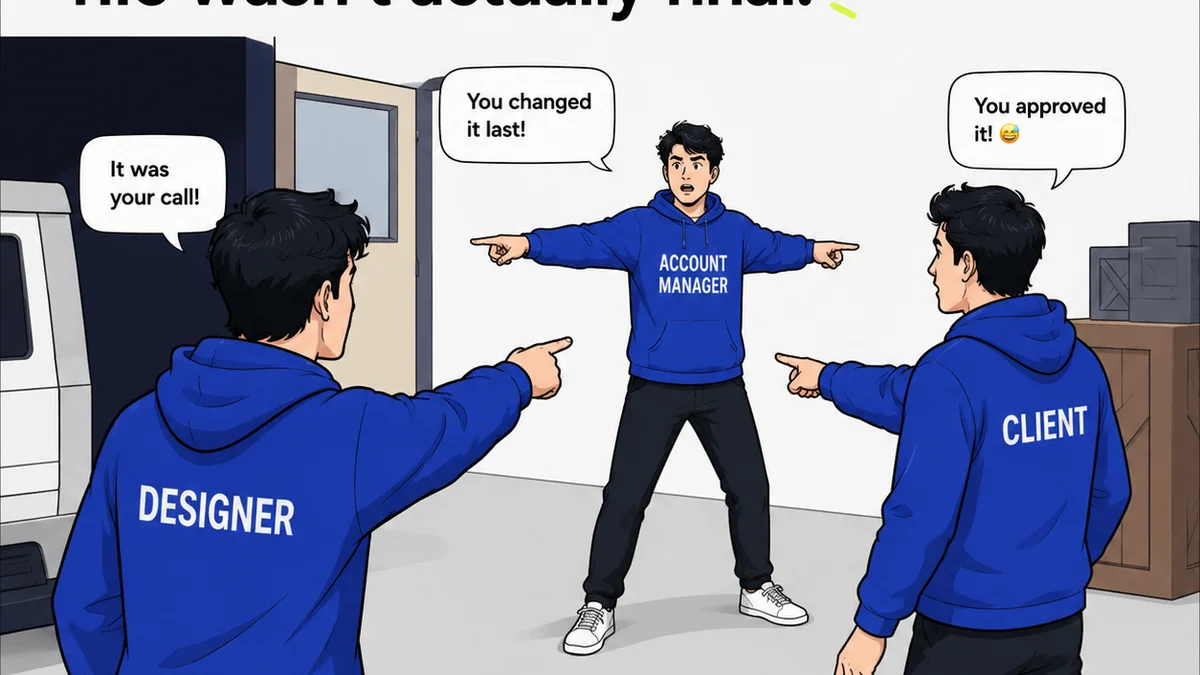
Everyone talks about design productivity. They point to fancy apps, time-blocking techniques, or the latest digital detox trend. They promise you’ll double your output overnight.
None of that is wrong. But it’s incomplete.
The hard truth about design productivity is that it’s not about individual tricks. It’s about building a robust, reliable system for how creative work actually gets done. It’s about understanding the friction points in your workflow and systematically removing them.
1. The Myth of the Lone Genius
The first assumption we need to bust is the idea that productivity is a solo sport. You’ve probably heard it: the visionary designer, headphones on, in a flow state, churning out masterpieces.
That’s a nice story. It’s also a terrible business model.
Real design productivity, especially in an agency or team setting, is about collaboration, communication, and clear processes. It’s about ensuring everyone on the team is aligned, informed, and unblocked.
Rethinking Your Definition
Productivity isn’t just about how much *you* can do. It’s about how effectively the *team* can deliver high-quality creative work, on time and on budget.
This means looking beyond your personal output and focusing on the collective:
- Client communication bottlenecks
- Internal review loops
- Asset handoffs
- Scope creep management
- Feedback clarity
When you focus on these team-level issues, your individual productivity naturally increases because you spend less time firefighting and more time creating.
2. The Anatomy of a Productive Design Workflow
A truly productive workflow isn't a single tool; it's a series of interconnected stages, each optimized for clarity and efficiency. Let’s break down the typical flow:
2.1. Briefing and Discovery
This is where it all begins. A clear, comprehensive brief is the bedrock of efficient work. Vague briefs lead to wasted effort and endless revisions.
- Symptoms of a bad brief:
- Frequent
Frequently asked questions
What's the biggest mistake beginners make when trying to improve design productivity?
Focusing on individual 'hacks' or tools instead of building a systematic, team-wide workflow. True productivity comes from process, not just personal habits.
How does client feedback impact design productivity?
Unclear, unorganized, or delayed feedback is a major productivity killer. Centralizing feedback and ensuring it's actionable is crucial for efficient revision cycles.
Can a single tool make my design team more productive?
No single tool is a magic bullet. Productivity comes from integrating the right tools into a cohesive workflow that addresses specific bottlenecks, like feedback management and revision tracking.
What are the key stages of a productive design workflow?
A productive workflow typically includes clear briefing and discovery, efficient design and development, streamlined review and approval, and organized final delivery. Each stage needs to be optimized.