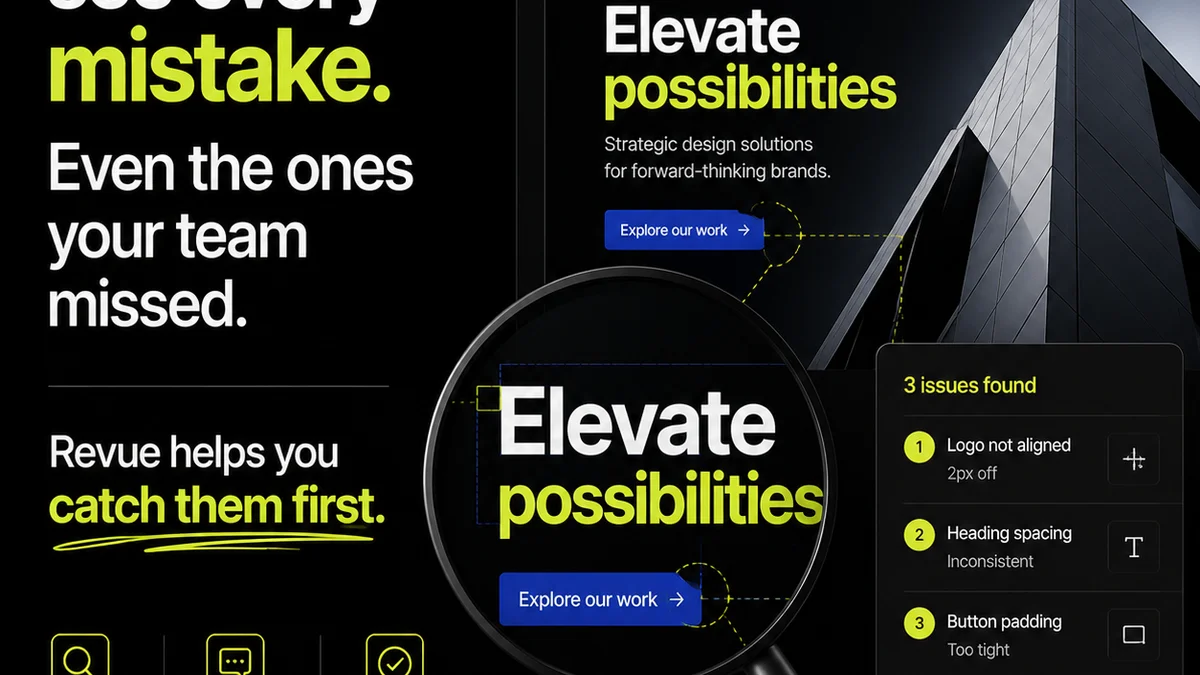
Everyone knows design QA is important. You’ve probably seen a dozen checklists online promising to cover every possible angle. None of that is wrong. But it’s incomplete.
The real truth is, a design QA process isn’t just a checklist. It’s a system. And if your system is broken, your checklist is just busywork.
What’s the hard truth? Your design QA process is a direct reflection of your agency’s operational maturity. A sloppy QA process means sloppy operations. A robust one means you’re built to last.
1. Beyond the Pixel Push: What QA *Really* Means
Design Quality Assurance (QA) sounds like it’s about catching visual errors. And yes, that’s part of it.
But it’s much bigger than that. It’s about ensuring the design *works*.
What Does “Works” Mean?
- Does it meet the brief?
- Does it align with brand guidelines?
- Is it technically sound for its intended platform?
- Is it accessible?
- Does it achieve the client’s business objective?
- Is it free of errors that could embarrass the agency or client?
This isn't just about aesthetics. It's about strategic execution. Your QA process must validate all these points.
2. The Foundation: Pre-Flight Checks
Before you even start reviewing a design, lay the groundwork. This prevents wasted effort.
What’s the most common mistake here? Jumping straight into review without confirming the basics.
Confirming the Brief and Scope
Was the project brief clear? Did the client approve the scope?
If the brief was vague or the scope crept, your QA will be subjective and frustrating. You’ll be arguing about what was *supposed* to happen, not what *is* happening.
Brand Guideline Lock-Down
Are the brand guidelines current and accessible? Did the designer have them from the start?
We’ve all seen it: a designer creating beautiful work that completely ignores the established brand. This isn’t a design failure; it’s a process failure. The brand assets and rules need to be the first thing everyone references.
Technical Specifications Check
What are the technical requirements for this asset? For web? For print? For social?
A stunning banner ad is useless if it’s the wrong file size or format. A beautiful print piece is a disaster if the bleed is wrong. These specs need to be defined *before* design begins.
3. The Design Review: A Multi-Stage Approach
This is where most people think QA begins and ends. It’s the visible part, but it’s only one piece of the puzzle.
A single review pass is a recipe for missed errors and rushed feedback.
Internal Review: The First Line of Defense
This isn’t just the designer’s manager taking a quick look. This should be a structured review by peers or a dedicated QA specialist.
What to look for:
- Visual consistency (fonts, colors, spacing, alignment).
- Adherence to the brief and brand guidelines.
- Technical feasibility.
- Accessibility standards (contrast ratios, font sizes, alt text considerations).
- Grammar and spelling. Yes, grammar and spelling.
This stage should catch 80% of issues.
Client Review Preparation
Before sending anything to the client, do a final sanity check. Imagine you are the client. What questions would you have?
Is the rationale clear for design decisions? Is the copy correct? Is the call to action obvious?
This pre-client polish saves endless rounds of revision later.
Client Feedback Integration
Once client feedback arrives, it needs careful handling. This is NOT the time to just make the requested changes blindly.
The hard truth: Clients often don’t know what they want, but they know what they *don’t* want. Your job is to translate their vague feedback into actionable design changes that still serve the objective.
- Clarify ambiguous feedback. Ask follow-up questions.
- Assess feedback against the brief and objectives. Does it move the needle forward?
- Prioritize feedback. Not all comments are equal.
- Document the changes made and the rationale.
4. Technical QA: Beyond the Visual
This is where many agencies fall short. They focus on how it *looks*, not how it *works*.
Technical QA ensures the design functions as intended across different environments.
Cross-Browser and Cross-Device Testing (for Digital)
Does the website or app look and function correctly on Chrome, Firefox, Safari, Edge? On desktops, tablets, and phones?
Responsive design isn’t just a buzzword; it’s a necessity. Your QA process must verify this.
Performance Testing
Are images optimized? Is the code clean? Does it load quickly?
Slow loading times kill user experience and conversions. Your QA should include a check for performance bottlenecks.
Accessibility Compliance (WCAG)
This is no longer optional. Can users with disabilities navigate and understand the design?
Check color contrast, keyboard navigation, screen reader compatibility, and proper use of ARIA attributes. This is crucial for inclusivity and legal compliance.
Functionality Testing
Do all buttons, links, forms, and interactive elements work as expected?
This sounds basic, but in complex interfaces, it’s easy for things to break.
Content Accuracy and Placement
Is all copy accurate? Are images displayed correctly? Is there any placeholder text left?
This often gets overlooked in the rush to launch. A final content audit is essential.
5. The Audit Trail: Documentation is Key
Your QA process generates data. You need to capture and use it.
Without documentation, your QA is just a series of disconnected conversations.
Version Control
Keep a clear history of design iterations and feedback. Who approved what, and when?
This protects you and the client. It clarifies scope and prevents disputes.
Feedback Logging
Log all feedback received, the decisions made, and the changes implemented.
This creates a reference for future projects and helps identify recurring issues.
Final Approval Sign-off
Ensure a formal sign-off process is in place for each stage of QA and for the final deliverable.
This signifies that all checks have been completed and approved.
Where Revue Fits In
Managing this entire QA process manually is a recipe for chaos. Scattered feedback across emails, Slack messages, and random documents leads to missed revisions and inconsistent quality.
Revue is built to bring order to this complexity. It acts as your central hub for all creative assets and client feedback.
Imagine:
- All design versions, comments, and approvals in one place.
- Clear visibility into the revision history.
- Streamlined communication, reducing the chance of feedback getting lost.
- A structured workflow that supports a rigorous QA process, not just a checklist.
This isn’t about replacing human judgment; it’s about empowering it with a reliable system.
6. Building Your Agency's QA System
A checklist is a tool. A system is a process. You need the latter.
Start by mapping your current workflow. Where are the bottlenecks? Where do errors slip through?
Then, implement structured checks at each stage:
- Briefing: Confirm clarity and scope.
- Internal Review: Formal check for consistency, brand, and technical issues.
- Client Review: Prepare thoroughly, manage feedback strategically.
- Technical QA: Verify functionality, performance, and accessibility.
- Final Audit: Content accuracy and sign-off.
Train your team. Make QA a shared responsibility, not an afterthought.
Final Thought
Is your design QA process a strict gatekeeper of quality, or just a polite suggestion box that gets ignored?
The difference isn't in the number of items on your checklist, but in the rigor and integration of your operational system. Building that system is the real work.
Frequently asked questions
What's the difference between design review and design QA?
Design review is often a subjective assessment of aesthetics and initial concept. Design QA (Quality Assurance) is a more rigorous, systematic process to verify that the design meets all functional, technical, brand, and strategic requirements before delivery. QA is about validation; review is often about refinement.
How often should design QA be performed?
QA should be integrated throughout the design process, not just at the end. This includes pre-flight checks, internal reviews at key milestones, technical checks for digital assets, and a final audit before delivery. Regular, multi-stage QA is far more effective than a single end-of-project check.
What are the most common design QA mistakes agencies make?
Common mistakes include skipping pre-flight checks (brief/scope confirmation), relying on a single review pass, not performing technical QA (cross-browser, accessibility, performance), failing to document feedback and approvals, and treating QA as an afterthought rather than an integrated process.
How can an agency ensure consistency in its QA process?
Consistency comes from establishing a clear, documented QA system with defined steps, responsibilities, and criteria. Training your team on this system and using a centralized platform for feedback and approvals (like Revue) ensures everyone follows the same rigorous process.