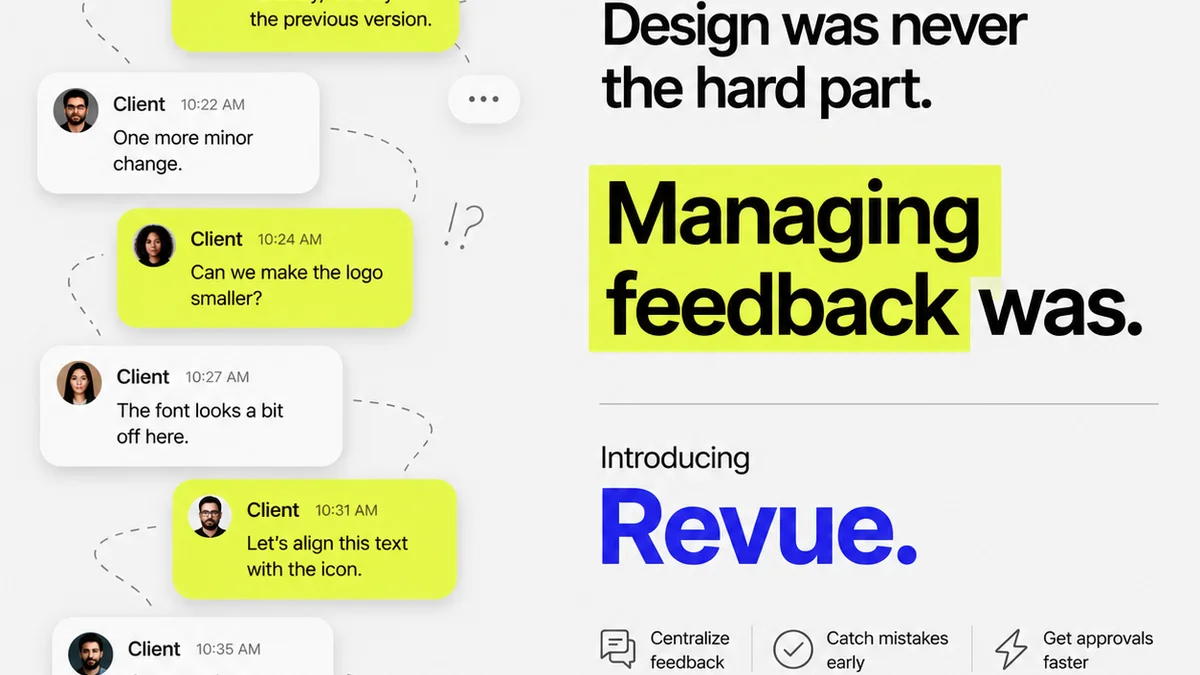
Everyone agrees quality matters. Clients expect polished work. Your team wants to deliver their best. So, you do design QA. You check for typos, misaligned elements, and brand guideline violations.
None of that is wrong. But it’s incomplete.
The hard truth? Design QA isn't just a final checkbox. It’s a continuous process embedded in your workflow. It’s about building a system that catches issues early, prevents them from recurring, and frees up your team to actually *design*.
1. Define Your Quality Standards
Before you can check anything, you need to know what “good” looks like. This sounds obvious, but most agencies haven’t formally defined it.
What Are We Checking Against?
This isn’t just about brand guides. It’s about the standards for:
- Visual consistency across all assets.
- Adherence to UI/UX best practices.
- Technical specifications (e.g., file formats, resolution, accessibility).
- Client-specific requirements and past feedback.
- Your agency’s own internal quality benchmarks.
Document these standards. Make them accessible. This is your North Star for all QA efforts.
2. Integrate QA into the Workflow, Not Just the End
The biggest mistake? Treating QA as a final gate before delivery. By then, it’s too late.
Issues found late mean rushed fixes, potential scope creep, and unhappy clients who see delays.
Shift Left: Early and Often
QA should happen at multiple points:
- During concepting: Does the direction align with the brief and brand strategy?
- During design development: Are core components built correctly? Is the UI intuitive?
- Before internal review: A quick self-check by the designer.
- During internal review: The creative lead or a dedicated QA person checks against standards.
- Before client review: A final pass.
- Post-launch: Monitoring for any unforeseen issues.
Each stage has a different focus. Early stages catch strategic misalignments. Later stages catch execution errors.
3. Establish Clear Roles and Responsibilities
Who is responsible for what in the QA process?
If everyone thinks someone else is checking, no one is.
The Buck Stops Where?
Consider these roles:
- Designer: Self-QA, ensuring adherence to brief and standards before passing.
- Creative Lead/Art Director: Strategic and aesthetic review, ensuring brand alignment and high-level quality.
- Project Manager: Ensuring deliverables meet technical specs and client requirements.
- Dedicated QA Specialist (if applicable): Comprehensive check against all defined standards.
Clearly define the handoffs and approval points. This prevents tasks from falling through the cracks.
4. Create Standardized Checklists
Checklists are your secret weapon.
They ensure consistency and thoroughness, especially under pressure.
What Should Be on Your Checklist?
Tailor these to your typical projects, but generally include:
- Brand Compliance: Logo usage, color palette, typography.
- Content Accuracy: Spelling, grammar, factual correctness, placeholder text removed.
- Design Integrity: Alignment, spacing, visual hierarchy, image quality, responsiveness.
- Technical Specs: File naming, format, resolution, dimensions, accessibility standards (e.g., color contrast).
- User Experience (UX): Navigation clarity, button states, form validation, error handling.
- Client-Specific: Any unique requirements or previous feedback points.
Use them religiously. Update them as standards evolve.
5. Leverage Technology for Efficiency
Manual QA is time-consuming and prone to error.
Smart tools can automate parts of the process and centralize feedback.
Where Revue Fits In
Revue isn't just for feedback collection; it's integral to a robust QA process.
- Centralized Feedback: All client comments live in one place, linked to specific assets. No more hunting through emails or Slack messages.
- Version Control & Revision Tracking: See exactly what changed between versions. This makes it easy to verify that feedback was implemented correctly.
- Clear Approval Workflows: Define who needs to sign off at each stage. This ensures accountability and prevents unapproved work from moving forward.
- Contextual Comments: Feedback is tied directly to the visual element it pertains to, reducing ambiguity and the chance of misinterpretation during QA.
By using a tool like Revue, you reduce the manual overhead of tracking feedback and revisions, allowing your team to focus on the critical review itself.
6. Foster a Culture of Quality
Ultimately, the best QA process is built on a team that cares about quality.
This goes beyond checklists and tools.
Building the Right Mindset
How do you cultivate this?
- Lead by example: Senior team members must champion quality.
- Empower the team: Give designers and reviewers the authority to push back when quality is compromised.
- Learn from mistakes: Conduct post-mortems on projects that had significant quality issues. What went wrong? How can we prevent it next time?
- Celebrate excellence: Recognize and reward work that exemplifies high quality.
A strong quality culture means everyone is invested in delivering the best possible outcome.
Final Thought
What if QA wasn’t seen as a cost center, but as a strategic investment in client satisfaction and brand reputation? What if it wasn't about finding fault, but about building trust through consistent, reliable excellence?
That’s the shift from checking boxes to building a system.
Frequently asked questions
What is the main goal of design QA?
The main goal of design QA is to ensure that creative work meets predefined quality standards, brand guidelines, technical specifications, and client requirements before delivery. It's about preventing errors, ensuring consistency, and delivering polished, professional results.
How often should design QA be performed?
Design QA should not be a one-time event at the end of a project. It should be integrated throughout the design workflow, occurring at multiple stages: during concepting, development, before internal reviews, and before client reviews. This 'shift-left' approach catches issues earlier and more efficiently.
Who is responsible for design QA in an agency?
Responsibility for design QA can be shared. Designers are responsible for self-QA. Creative leads handle strategic and aesthetic reviews. Project managers ensure technical specs and client requirements are met. In larger teams, a dedicated QA specialist might oversee the process.
How can technology help with design QA?
Technology, like feedback and collaboration platforms, can significantly streamline design QA. These tools centralize feedback, track revisions, provide version control, and clarify communication, reducing manual effort and the chance of misinterpretation.