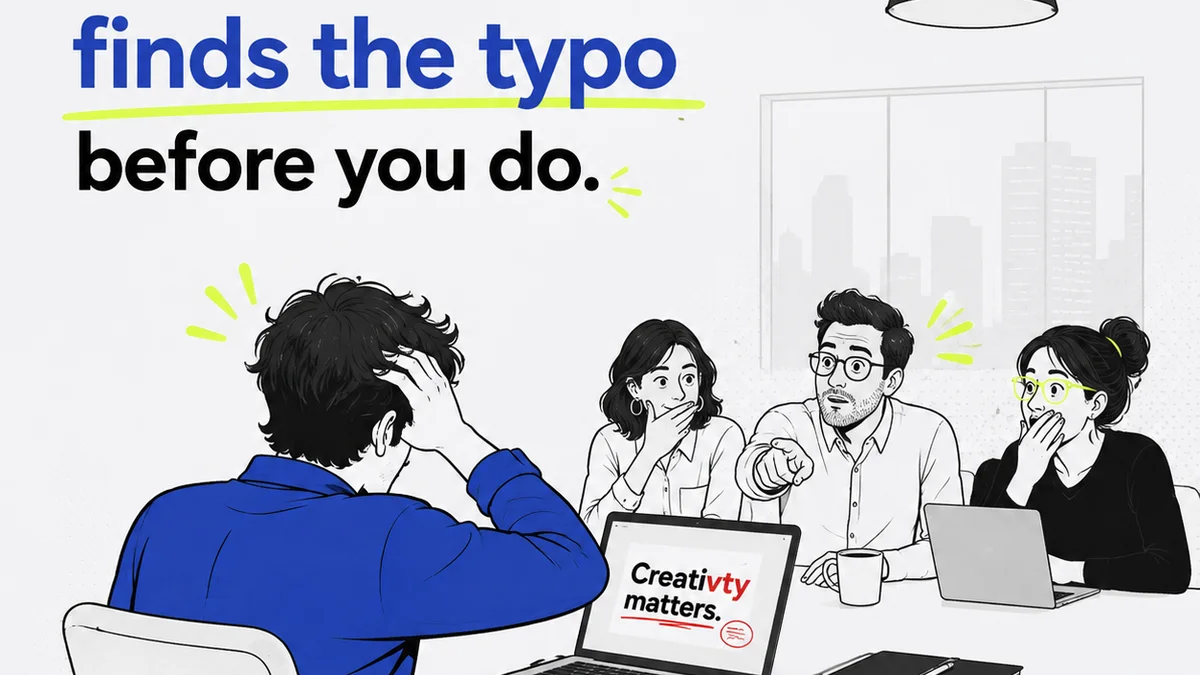
You probably think design quality assurance (QA) is about catching typos and making sure the logo is the right color. That it’s a final checklist item, a nice-to-have before launch. That it’s the junior designer’s job.
None of that is wrong. But it’s incomplete.
The real truth? Design QA is a strategic imperative for any agency looking to scale. It’s not just about polish; it’s about process, profitability, and client trust.
1. The Cost of Cutting Corners
Every agency owner knows that scope creep and endless revisions eat into profit margins. But what if I told you a lack of robust QA is a primary driver of both?
When feedback loops are messy, when revisions aren't tracked, when the final output has fundamental errors, clients notice. They lose confidence. They start second-guessing the entire process.
This leads to:
- Unnecessary, often unbillable, revision rounds.
- Damaged client relationships that are hard to repair.
- A reputation for sloppiness, which kills referrals.
- Higher overhead as teams scramble to fix mistakes late in the game.
You end up spending more time fixing problems than creating value.
2. Beyond Pixel-Pushing: The Strategic Value of QA
Design QA isn't just about finding visual bugs. It's about validating that the design meets the brief, the strategy, and the client's business objectives.
Think of it as a gatekeeper, ensuring everything that leaves your studio is:
a. Strategically Sound
Does the final design actually solve the problem it was intended to solve? Does it align with the brand guidelines we agreed upon? Does it communicate the intended message clearly?
This requires looking beyond the aesthetics. It means asking if the CTA is prominent enough, if the user flow makes sense, if the content hierarchy is correct.
b. Operationally Robust
Are all the files correctly named and organized? Are the correct versions being delivered? Are there any technical issues that will prevent smooth implementation?
For web design, this means checking for responsive issues, cross-browser compatibility, and accessibility standards. For print, it's about bleed, color profiles, and correct file formats.
c. Client-Centric
Does the design deliver on the client's expectations and brief? Has every piece of feedback been addressed, or at least consciously decided upon?
This isn't about appeasing every whim. It's about ensuring the client feels heard and that the final deliverable is something they can confidently approve and use.
3. Building QA into Your Workflow, Not Bolting It On
Many agencies treat QA as an afterthought. A quick once-over before sending the final files. This is a mistake.
Effective QA needs to be integrated into every stage of the design process. It’s not a single step; it’s a continuous mindset.
Start with clear, measurable objectives at the brief stage. Build checkpoints into your project management. Make review and approval a formal, documented process.
a. The Briefing Stage
This is your first QA checkpoint. Is the brief clear? Are the objectives measurable? Is there a clear definition of success?
Ambiguity here guarantees problems later.
b. During Design Development
Internal reviews should happen frequently. Not just at the end of a phase. This catches issues early when they are cheapest and easiest to fix.
Use clear criteria for these reviews. What specifically are you looking for?
c. The Client Review Process
This is where things often break down. Clients provide feedback that's vague, contradictory, or outside the scope.
A structured feedback process is crucial. Define:
- Who provides feedback.
- How feedback should be given (e.g., annotated directly on the design, specific comments).
- What the turnaround time is.
- What constitutes final approval.
d. The Final QA Pass
This is the last line of defense. It's a dedicated check against all agreed-upon requirements and a final sweep for any overlooked errors.
This shouldn't be done by the person who designed it. Ideally, it's a fresh pair of eyes.
4. Where Revue Fits In
Managing feedback, revisions, and approvals across multiple projects and clients can quickly become chaotic. This is precisely where a tool like Revue becomes essential.
Revue helps you centralize client feedback, making it organized and actionable. Instead of sifting through endless email threads or Slack messages, all comments are tied directly to the creative asset.
This visibility means:
- Clear Accountability: You know who said what and when.
- Streamlined Revisions: Track changes and see revision history at a glance.
- Efficient Approvals: Formalize the sign-off process, eliminating ambiguity.
- Integrated Quality Checks: Ensure every piece of feedback is addressed before final delivery.
By bringing order to the chaos of feedback and revisions, Revue empowers your team to focus on creative excellence and deliver work that truly meets client objectives, reducing the risk of costly errors and scope creep.
5. The ROI of Rigor
Investing time and resources into a solid QA process isn't an expense; it's an investment with a significant return.
Think about it:
- Fewer, shorter revision cycles mean faster project completion.
- Happier clients who trust your process lead to repeat business and referrals.
- A reputation for quality attracts better clients and talent.
- Reduced rework means higher profit margins on every project.
It’s simple math. The cost of doing it right the first time is almost always less than the cost of fixing it later.
Final Thought
Is your agency treating design QA as a burden, or as a critical enabler of growth and client satisfaction? The answer reveals a lot about your operational maturity.
Frequently asked questions
What's the difference between design review and design QA?
Design review is typically an internal process to check for aesthetic appeal, strategic alignment, and early issue detection. Design QA (Quality Assurance) is a more formal, often final, process to ensure the deliverable meets all technical specifications, functional requirements, and agreed-upon brief objectives before client sign-off or launch.
How can a small agency afford dedicated QA time?
You can't afford not to. Integrate QA into existing roles and processes. Start with clear checklists based on project type. Empower designers to self-critique rigorously. Schedule brief internal peer reviews. The cost of fixing errors post-delivery is far greater than allocating proactive review time.
What are the key elements of a client feedback process?
A good client feedback process defines who gives feedback, how it should be delivered (e.g., specific comments, annotations), establishes clear turnaround times, and outlines what constitutes final approval. Centralizing this feedback, for example using a tool like Revue, prevents miscommunication and lost comments.
How does QA impact profitability?
Robust QA reduces costly errors, minimizes unbillable revision rounds, and shortens project timelines. By ensuring the deliverable is right the first time, you protect your profit margins and build client trust, leading to repeat business and fewer scope disputes.