Everyone talks about design quality. Clients demand it. Creative Directors obsess over it. But what does design QA *actually* mean in a busy agency? Most teams think it’s just a final once-over before hitting send. A quick scan for typos or misaligned logos. A last-minute sanity check.
None of that is wrong. But it’s incomplete.
The hard truth is that design QA isn't a single event; it's a continuous process woven into the fabric of your agency’s workflow. It’s not about catching mistakes. It’s about *preventing* them and ensuring every piece of creative work aligns with strategic goals, brand identity, and client expectations, every single time.
1. The Misconception: QA is Just a Spellchecker for Pixels
This is the most common trap. You’ve got a great-looking design. It’s on-brand. The client’s brief is met. So, you do a quick scroll, maybe check a few key elements, and call it good. Easy, right?
This approach assumes quality is purely aesthetic and that errors are isolated incidents.
It ignores the systemic issues that lead to those errors in the first place. It treats symptoms, not the disease.
True QA is about more than just the final output. It’s about the inputs, the process, and the people involved.
The Real Cost of Neglecting Deep QA
- Missed deadlines due to last-minute, avoidable fixes.
- Damaged client relationships from sloppy work.
- Wasted billable hours on rework that should have been caught earlier.
- Erosion of agency reputation.
- Frustrated creative teams churning through revisions.
Think about it. If your QA process is just a quick look before delivery, you're essentially outsourcing the discovery of errors to your client. That’s a losing game.
2. Redefining Design QA: From Gatekeeper to Quality Engine
Design QA needs to be understood as a proactive, integrated system. It’s not just about spotting errors; it’s about building quality into every stage of the creative process.
It’s about establishing clear standards, transparent communication, and robust checks at multiple points.
The Pillars of Effective Design QA
- Strategic Alignment: Does the design solve the client's business problem? Does it hit the key objectives outlined in the brief?
- Brand Integrity: Is the brand voice, tone, and visual identity consistently applied? Are logos, colors, and typography used correctly?
- Technical Accuracy: Are all assets correctly sized, formatted, and exported for their intended use? Are there any broken links or missing files?
- Usability & Accessibility: Is the design intuitive? Is it accessible to users with disabilities (e.g., color contrast, font sizes)?
- Client & Stakeholder Requirements: Does the design meet all specific requests and feedback from the client and internal stakeholders?
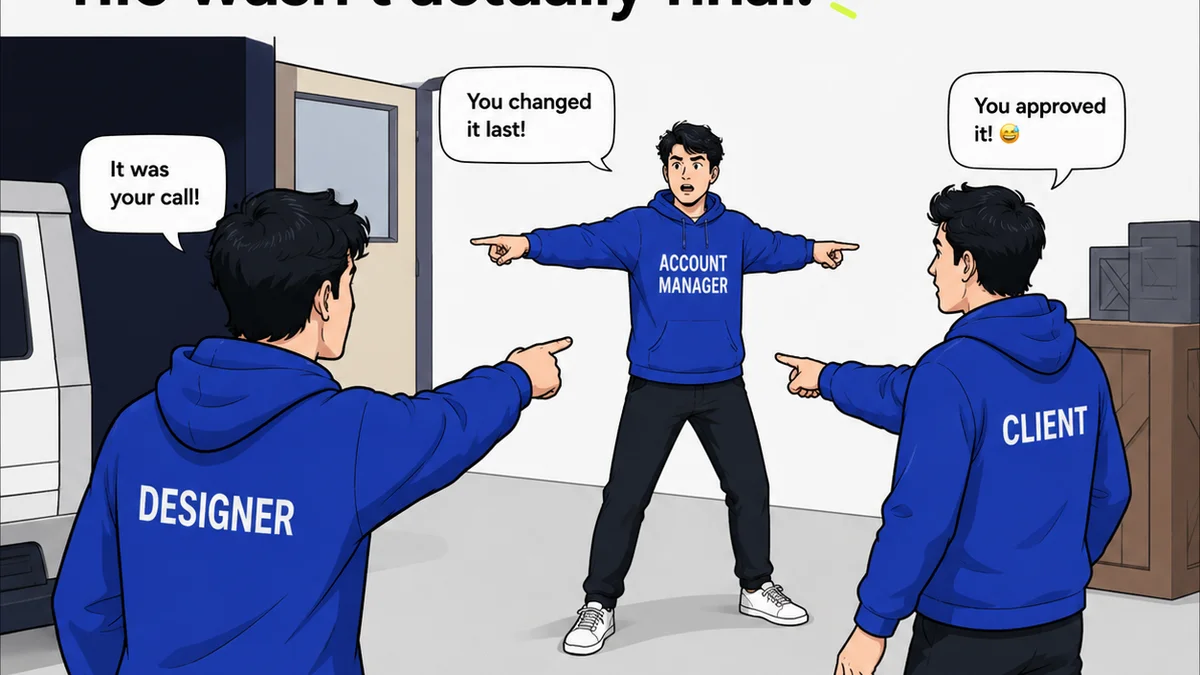
This holistic view means QA isn't a single department or person. It’s a shared responsibility.
3. Building QA into Your Creative Workflow
Quality assurance shouldn't be an afterthought. It needs to be built into the very foundation of how your team works. This means shifting from a reactive
Frequently asked questions
What is the primary goal of design QA?
The primary goal of design QA is to ensure that creative work not only meets aesthetic standards but also aligns with strategic objectives, brand guidelines, technical specifications, and client expectations, preventing errors and rework throughout the process.
How can I integrate design QA into my agency's workflow?
Integrate QA by establishing clear standards, performing checks at multiple stages (briefing, concepting, design, pre-production), using checklists, implementing peer reviews, and leveraging feedback management tools to centralize communication and track revisions.
Who is responsible for design QA in an agency?
Design QA is a shared responsibility. While designers conduct self-checks and project managers oversee the process, creative directors, account managers, and even clients (through structured feedback loops) play a role in ensuring quality.
What are the benefits of robust design QA?
Benefits include reduced rework, fewer missed deadlines, improved client satisfaction and trust, enhanced agency reputation, more efficient use of billable hours, and a higher overall quality of creative output.