Everyone talks about design QA software as a way to catch typos and broken links. That’s not wrong. But it’s incomplete.
The real value of design QA software isn’t just spotting surface-level errors. It’s about building a more efficient, transparent, and profitable creative process. It’s about moving beyond ad-hoc checks to a structured system that saves time, reduces frustration, and ultimately delivers better client outcomes.
1. The Hard Truth About Design QA
Many agencies think of QA as a final gate. A quick check before launch. This mindset is a direct path to scope creep, client disputes, and last-minute rushes that kill creativity.
The hard truth is that quality assurance for design work needs to be integrated throughout the entire project lifecycle, not just tacked on at the end. It’s a continuous process, not a single event.
This means shifting from a reactive
Frequently asked questions
What is the primary goal of design QA software?
The primary goal is to streamline the review and approval process for creative work, ensuring quality, catching errors, and improving communication between teams and clients.
How does design QA software help with client feedback?
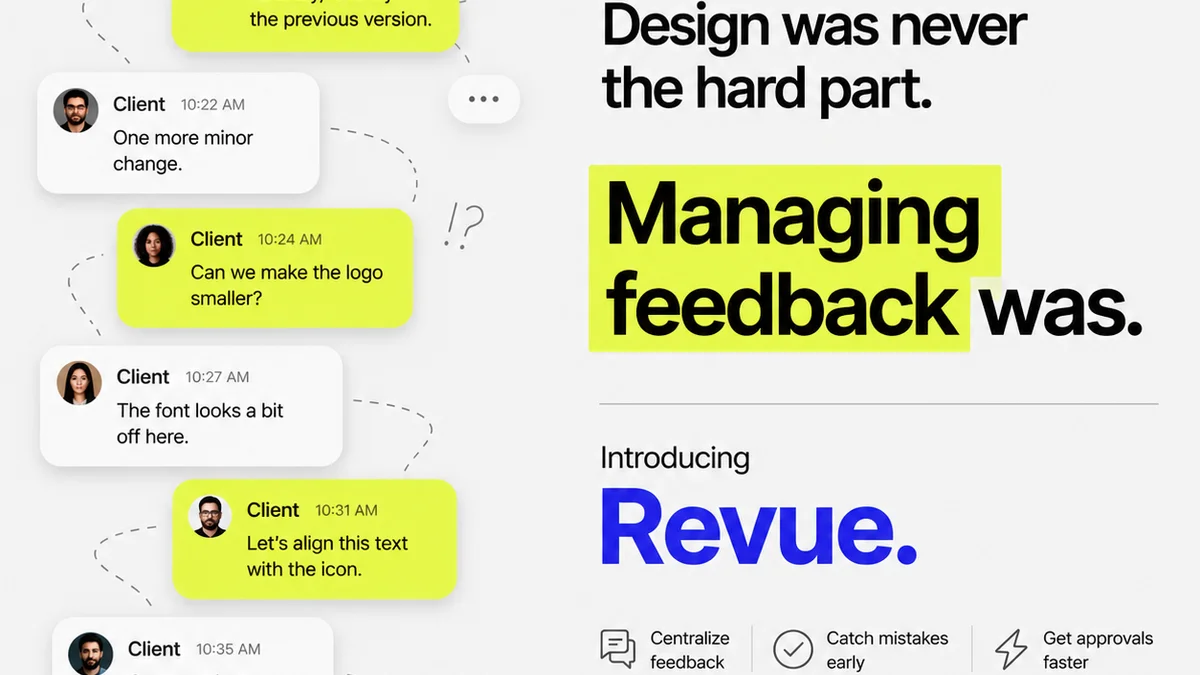
It centralizes all client feedback in one place, providing clear context, reducing the risk of missed comments, and making it easier to track revisions and approvals.
Can design QA software prevent scope creep?
Yes, by providing a clear, documented record of feedback and approvals, it helps establish a defined scope of work and makes it easier to identify and manage out-of-scope requests.
Is design QA software only for digital projects?
No, while often associated with web and app design, design QA software can be used for any creative asset, including print materials, video, and branding guidelines.