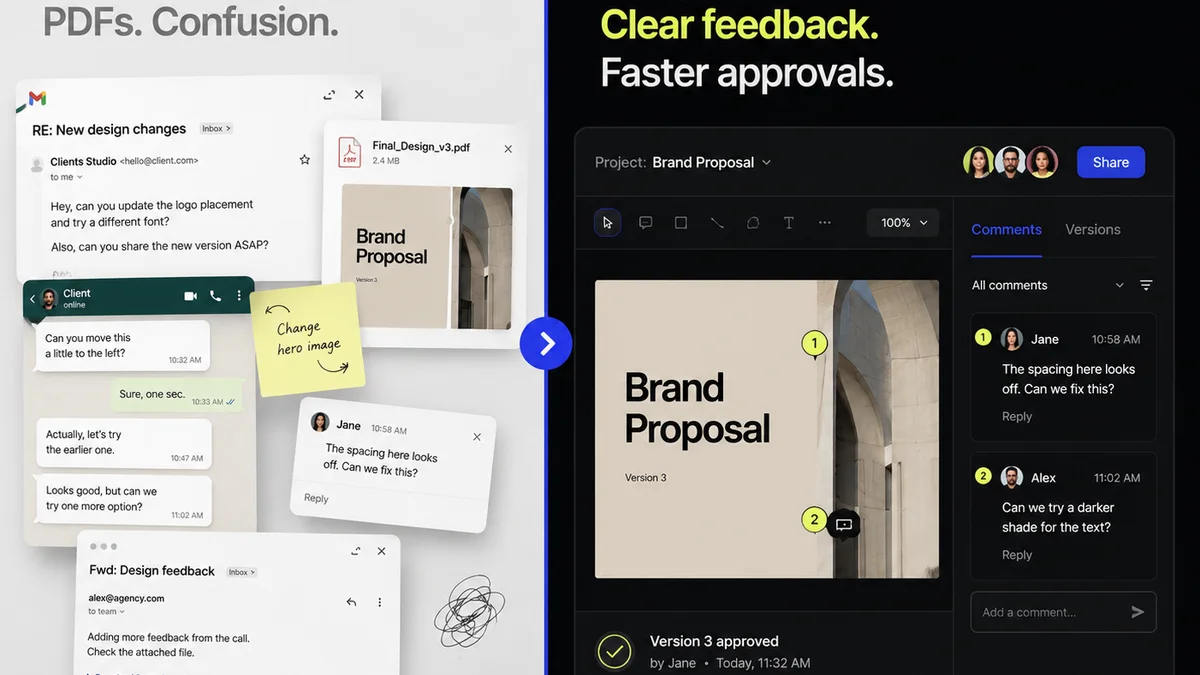
Everyone agrees that Design Quality Assurance, or QA, is essential. It’s the final gate before a client sees the work. It’s where you catch typos, misaligned elements, and broken links.
None of that is wrong. But it’s incomplete.
The hard truth is that most agencies treat Design QA as an afterthought. A quick once-over by a junior designer or project manager right before delivery. This approach leaves money on the table and adds unnecessary stress to your team. It turns QA into a bottleneck, not a benefit.
A truly effective Design QA workflow isn’t just about catching errors at the end. It’s about embedding quality checks throughout the entire creative process. It’s proactive, not reactive.
1. The Illusion of the Final Check
Think about it. How often does a design go through a ‘final QA’ only for the client to find a glaring issue anyway? The assumption is that a single, end-of-project review is sufficient. This mindset is flawed because it assumes the design is static and perfect before this final stage.
This approach leads to:
- Last-minute scrambles and rushed fixes.
- Increased stress for designers and project managers.
- Frustrated clients who feel the agency missed obvious problems.
- Potential for errors to slip through, damaging your agency’s reputation.
The problem isn't the QA itself, but its timing and integration. It’s treated like a gatekeeper, when it should be a continuous guide.
2. Shifting Left: Integrating QA Early and Often
The real power of Design QA comes when you
Frequently asked questions
What is Design QA?
Design QA (Quality Assurance) is the process of systematically reviewing creative work to identify and rectify errors, inconsistencies, and deviations from project requirements before delivery to clients or stakeholders. It ensures the final output meets aesthetic, functional, and brand standards.
Why is an early Design QA workflow important?
Integrating QA early and often catches issues when they are cheapest and easiest to fix. It prevents costly rework later, reduces client frustration, and ensures a higher quality final product by building quality into every stage, not just at the end.
Who should be involved in Design QA?
Ideally, Design QA involves multiple perspectives. This can include the designer who created the work (self-review), a peer designer for a fresh set of eyes, a project manager for scope alignment, and potentially a copy editor or accessibility specialist depending on the project's needs.
How can technology help with Design QA?
Tools like Revue can centralize feedback, track revisions, and provide clear audit trails, making the QA process more efficient and transparent. Other tools can automate checks for code-based designs or accessibility compliance, augmenting human review.