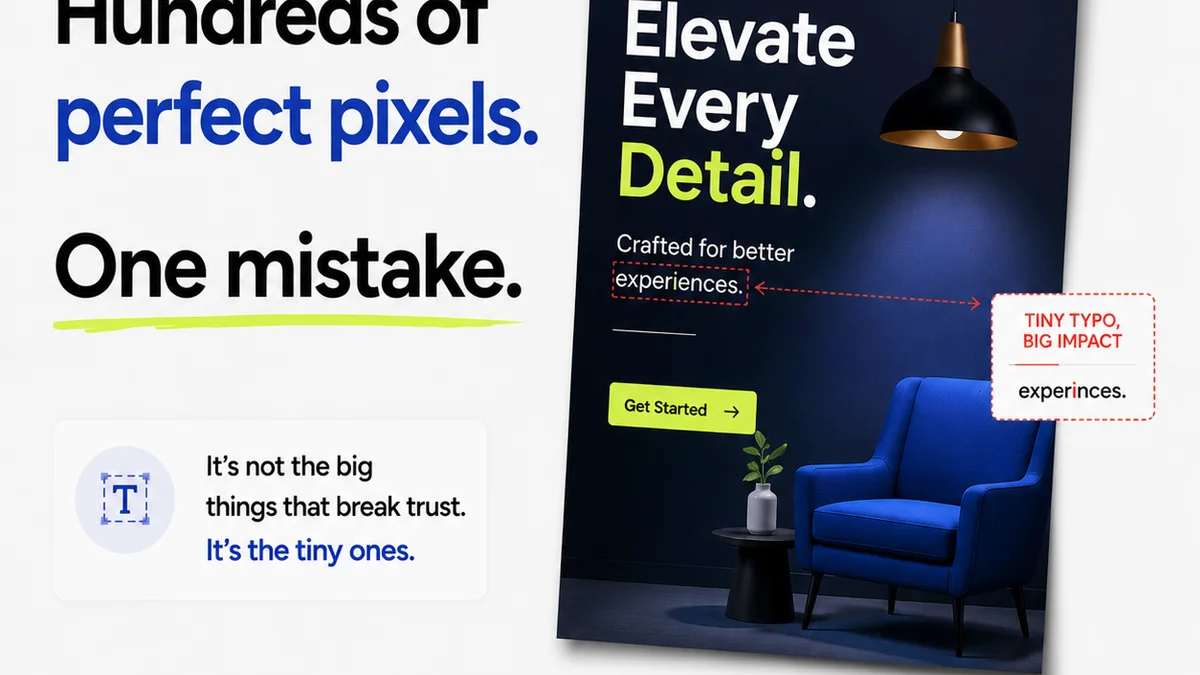
Everyone agrees that design Quality Assurance (QA) is critical. It’s the final gate before a project ships, the last chance to catch that rogue pixel or awkward kerning.
None of that is wrong. But it’s incomplete. Treating design QA as merely a pre-launch checklist is a relic of a slower era.
The hard truth is this: a truly effective design QA workflow in 2026 isn't a phase; it's a continuous thread woven through the entire project lifecycle. It’s less about catching errors and more about preventing them, fostering collaboration, and embedding quality from concept to completion.
1. The Myth of the Isolated QA Phase
The traditional model puts QA in a box. Design is done, then handed off to a QA specialist or the project manager for a once-over. This creates bottlenecks and surprises.
It assumes designers and stakeholders are perfectly aligned on quality standards from the start. They rarely are.
This approach leads to:
- Last-minute panic and rushed fixes.
- Scope creep disguised as
Frequently asked questions
What is the primary goal of a modern design QA workflow?
The primary goal is to integrate quality checks throughout the entire project lifecycle, not just at the end. This proactive approach aims to prevent errors, ensure alignment with project goals and brand standards, and streamline the revision and approval process, ultimately delivering higher quality work more efficiently.
How does continuous feedback improve design QA?
Continuous feedback ensures that potential issues are identified and addressed early when they are easiest and cheapest to fix. It fosters better communication between designers, stakeholders, and QA, leading to a shared understanding of quality and reducing the need for major rework later in the process. This collaborative approach minimizes misunderstandings and aligns the design with client expectations from the outset.
What role does technology play in advanced design QA?
Technology plays a crucial role by centralizing communication, automating repetitive checks, and providing clear visibility into revisions and approvals. Tools that facilitate real-time commenting, version control, and automated compliance checks (e.g., accessibility, brand guidelines) are essential for a scalable and efficient design QA workflow in 2026.
How can agencies ensure consistency in their design QA process?
Consistency is achieved through documented processes, standardized checklists tailored to project types, and clear role definitions. Leveraging a centralized platform for feedback and approvals ensures that all communication and decisions are tracked, providing a single source of truth and enabling consistent application of quality standards across all projects and team members.