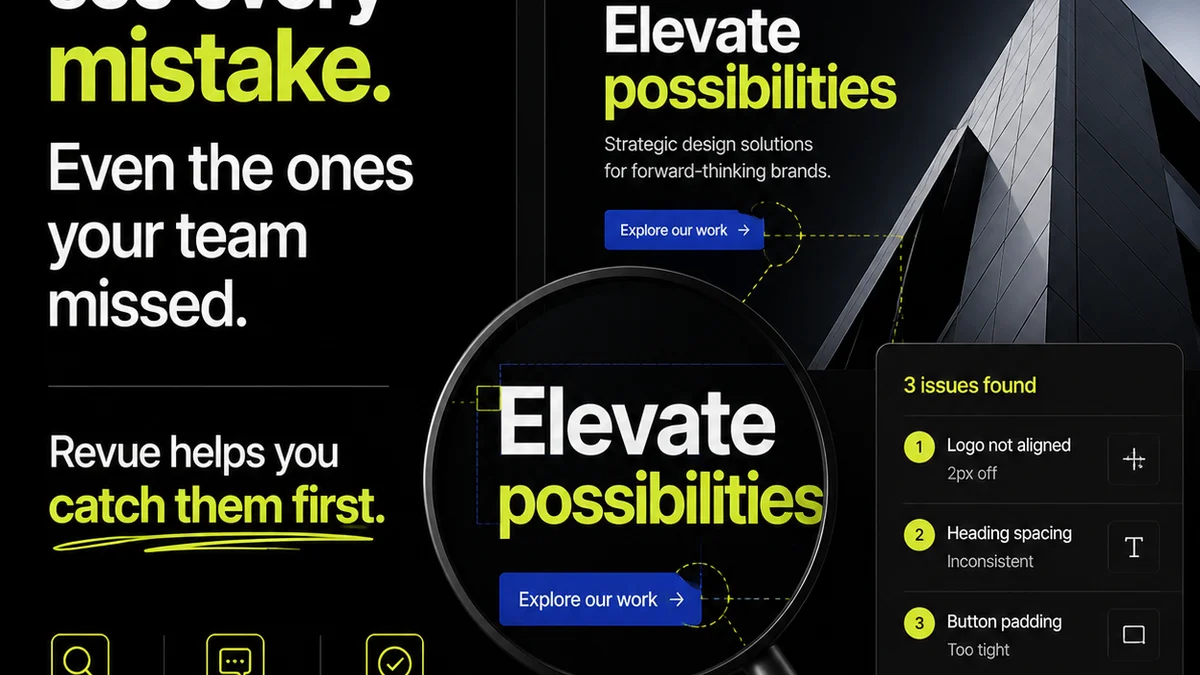
Everyone agrees design reviews are crucial. You need a checklist, right? A go-to list of items to tick off before a design ships. That’s the common wisdom.
None of that is wrong. But it’s incomplete.
A design review checklist is only as good as the operational rigor behind it. Without that, it’s just busywork. A way to feel productive without actually improving quality.
The Hard Truth: Reviews Aren’t Just About Checking Boxes
The real value of a design review isn’t in the checklist itself, but in the system that supports it. It’s about the clarity of feedback, the accountability for revisions, and the consistent application of standards. This is where most agencies and in-house teams stumble.
They focus on the artifact (the design), not the process (the review). This leads to subjective arguments, missed issues, and endless revision cycles. Sound familiar?
1. Defining
Frequently asked questions
What is the main purpose of a design review checklist?
A design review checklist helps ensure that all critical aspects of a design are evaluated consistently and thoroughly before final delivery. It standardizes the review process, reduces the chance of errors or omissions, and promotes alignment with project goals and brand standards.
How can I make my design reviews more effective beyond just using a checklist?
Effectiveness comes from a robust process. This includes clear feedback guidelines, defined roles and responsibilities for reviewers, structured communication channels, and efficient revision tracking. The checklist is a tool within this larger system, not the system itself.
What are common pitfalls to avoid with design reviews?
Common pitfalls include subjective feedback, lack of clear criteria, unclear ownership of revisions, delayed reviews, and treating reviews as a final sign-off rather than a collaborative improvement step. Over-reliance on a checklist without process support is also a major issue.
How does a tool like Revue help with design reviews?
Revue centralizes feedback, making it easier to track comments, manage revisions, and ensure all review points are addressed. This operational efficiency supports the checklist by providing a clear audit trail and streamlining the entire review and approval process.