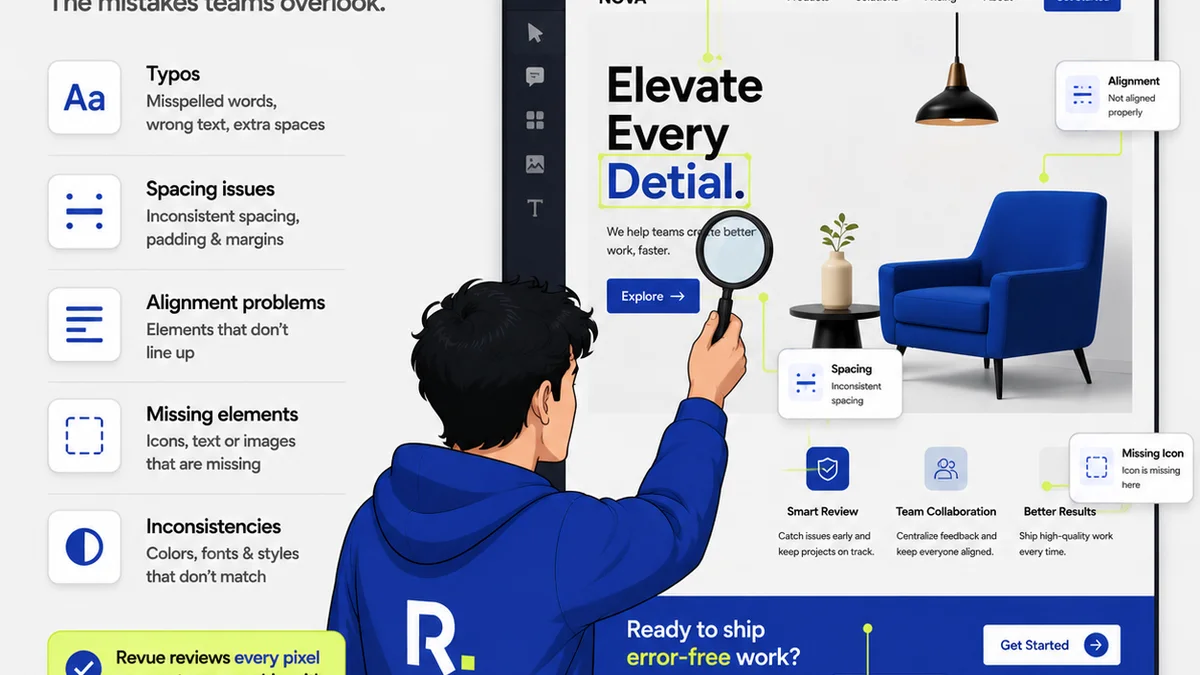
Everyone thinks design review meetings are a necessary evil. A time sink. A place where good ideas go to die under a pile of subjective opinions.
And they’re often right.
But that’s not a failure of the *concept* of a review meeting. It’s a failure of execution.
The hard truth? Most agencies and creative teams don’t run design reviews. They run critique sessions disguised as reviews, or worse, just a bunch of people staring blankly at a screen.
An effective design review meeting isn’t about collecting feedback. It’s about making decisions and moving forward. It’s a critical operational checkpoint, not a popularity contest for the prettiest pixel.
1. Define the Purpose (Before You Even Schedule)
What are we actually trying to achieve with this meeting?
Is it:
- To get stakeholder approval on a final concept?
- To identify critical usability issues before development?
- To align the team on the strategic direction of a campaign?
- To gather input on a specific design element that’s blocking progress?
This sounds obvious, but it’s where most teams fail. They schedule a “design review” without clarifying *what kind* of review it is.
The agenda, the attendees, the materials needed—everything hinges on this single, often-ignored question.
The Wrong Question: “Can we review this design?”
This is a vague invitation to a vague discussion.
The Right Question: “Can we get sign-off on the primary user flow for the checkout process, identifying any show-stopping technical blockers?”
See the difference? Specificity breeds efficiency.
2. The Right People, The Right Time
Who needs to be in the room? And crucially, who *doesn't*?
An effective review meeting is populated by decision-makers and subject matter experts relevant to the *purpose* you defined.
Inviting the entire agency to every review is a recipe for diluted opinions and wasted time. Likewise, excluding a key stakeholder who holds approval power is a guaranteed path to a do-over.
Key Roles to Consider:
- The Facilitator/Moderator: Keeps the meeting on track, manages time, and ensures constructive dialogue. Often the Creative Director or Project Manager.
- The Presenter: The designer or team lead who created the work and can speak to its rationale.
- The Decision-Maker(s): The person or people with the authority to approve or reject the work, or move it to the next stage.
- Subject Matter Experts (SMEs): Developers, strategists, copywriters, legal counsel, etc., whose input is crucial for the specific review’s purpose.
Who to Leave Out (Usually):
- Anyone who doesn't have decision-making authority for *this specific item*.
- Anyone whose input is purely subjective and not tied to project goals or technical feasibility.
- Anyone who just wants to
Frequently asked questions
What is the primary goal of a design review meeting?
The primary goal is to make informed decisions and move a project forward, not simply to gather subjective opinions. This means getting clear approvals, identifying blockers, or aligning on strategy.
How can I ensure a design review meeting stays on track?
Appoint a strong facilitator who keeps the discussion focused on the defined purpose, manages time strictly, and prevents subjective debates from derailing the agenda. Pre-circulate materials so attendees can come prepared.
Who should attend a design review meeting?
Only include individuals who are essential for decision-making or providing critical subject matter expertise related to the specific purpose of the review. Avoid inviting people who don't have a direct role or decision-making authority.
How can technology help improve design review meetings?
Tools like Revue can centralize feedback, track revisions, and provide clear visibility into approval status, reducing the need for lengthy, unstructured review meetings and ensuring everyone is working from the latest information.