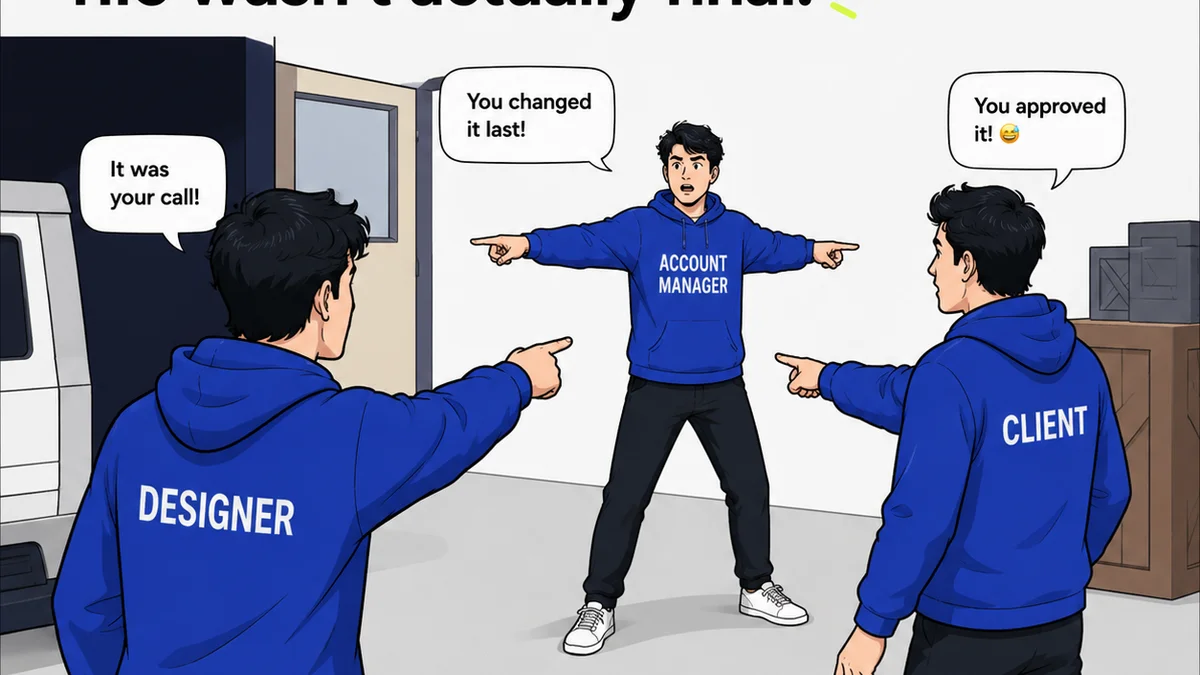
Everyone knows enterprise design reviews are slow. They’re infamous for their lengthy cycles, endless feedback loops, and the sheer inertia that seems to grip even the most agile teams. You’ve probably heard the usual advice: be clearer with feedback, set deadlines, use better tools. None of that is wrong. But it’s incomplete.
The hard truth is that enterprise design review failures aren't just about communication. They're deeply rooted in systemic issues around ownership, process, and the very definition of 'done'.
1. The "Everyone's Invited" Feedback Frenzy
The idea behind involving many stakeholders in design reviews is good: broad buy-in. But it often devolves into a chaotic free-for-all. Every VP, every department head, every junior analyst gets a say. The result? Conflicting feedback, diluted vision, and a design that tries to please everyone and ends up pleasing no one.
This isn't just inefficient; it's demoralizing for the design team. They spend weeks iterating based on a dozen different, often contradictory, opinions.
Symptoms of the Frenzy:
- Feedback arrives in scattered emails, Slack messages, and impromptu hallway chats.
- The same points are raised by multiple people, sometimes days apart.
- Designers feel like they’re playing whack-a-mole with subjective preferences rather than strategic goals.
- Key decisions are delayed because consensus can't be reached among dozens of reviewers.
The core problem here is a lack of clear ownership and a poorly defined review process. Who is the ultimate decision-maker? What are the objective criteria for approval? Without these, you get noise.
2. Vague and Unactionable Feedback
This is the classic complaint, and for good reason. Feedback like “I don’t like it,” “Make it pop,” or “Can we try something else?” is useless. It provides no direction and forces designers to guess what the reviewer actually wants.
Enterprise environments, with their complex hierarchies and diverse skill sets, are breeding grounds for vague feedback. People who aren't designers often feel unqualified to give specific critiques, so they resort to broad strokes.
The Cost of Vagueness:
- Wasted design cycles.
- Frustration and burnout for creative teams.
- Missed deadlines and project delays.
- A final product that doesn't meet underlying business objectives.
Good feedback is specific, objective, and tied to project goals. It points to a particular element and explains *why* a change is needed, referencing user needs, brand guidelines, or technical constraints. Feedback should be a guide, not a mystery novel.
3. The Illusion of Approval
This mistake happens when stakeholders give a “soft” go-ahead, thinking the design is fine, only to raise major issues in a later stage—often just before launch. This isn't malicious; it’s usually a result of insufficient early review or a misunderstanding of what “approved” really means.
In large organizations, reviews can be siloed. One team might approve a design based on their specific needs, unaware of how it impacts another department’s requirements or the overall brand consistency.
Signs of Premature Approval:
- Major concerns surface only after a design has been deemed “final” by one group.
Frequently asked questions
What is the biggest mistake in enterprise design reviews?
The biggest mistake is often a lack of clear ownership and objective criteria for approval, leading to vague feedback and endless revisions.
How can we get better feedback on designs?
Ensure feedback is specific, actionable, and tied to project goals. Define who the ultimate decision-maker is and what success looks like before reviews begin.
How can enterprise teams speed up design approvals?
Streamline the review process by limiting the number of reviewers, establishing clear roles, using a centralized platform for feedback, and defining phases for feedback (e.g., initial concept vs. final polish).
What role does technology play in fixing design review issues?
Technology can centralize feedback, provide version control, track revisions, and automate approval workflows, reducing miscommunication and speeding up the process.