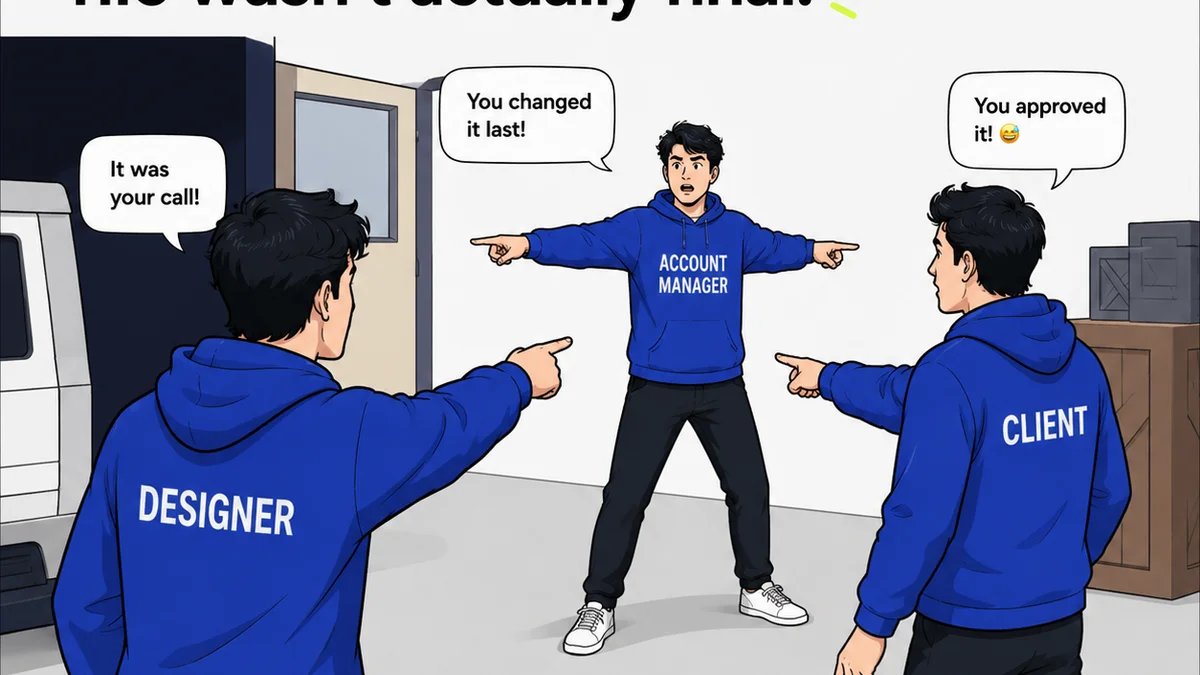
Every Creative Director thinks they know what makes design review software “good.” It’s got to be fast, right? Easy to use? Affordable? None of that is wrong. But it’s incomplete.
The real value isn’t in the features you see first. It’s in what happens *after* the feedback is given. It’s about turning chaotic conversations into actionable insights and then proving it.
That’s the hard truth. Most tools make gathering feedback simple. Few make managing, tracking, and closing the loop just as simple. This is where the real operational leverage lies.
1. The Assumption: More Feedback Channels Are Better
The conventional wisdom is that clients and stakeholders want as many ways as possible to chime in. Email, Slack, carrier pigeon, post-it notes on a physical printout – the more options, the better. Right?
Wrong.
More channels mean more noise. More fragmented conversations. More chances for critical feedback to get lost in the digital ether. This isn't collaboration; it's a recipe for missed deadlines and scope creep.
The Problem with Fragmented Feedback
- Emails get buried.
- Slack messages scroll by.
- Verbal feedback is hard to document accurately.
- Client-side project managers often act as gatekeepers, adding delays and misinterpretations.
This chaos directly impacts your team's ability to deliver on time and on budget. It forces you to spend valuable hours chasing down information and clarifying requests.
2. The Hard Truth: Centralized Feedback is King
The best design review software centralizes all feedback in one place, tied directly to the visual asset being reviewed. This isn't just about convenience; it's about establishing a single source of truth.
When every comment, every annotation, every approval lives on the design itself, ambiguity evaporates.
What Centralization Achieves
- Clarity: Comments are contextual. You see exactly what the reviewer is referring to.
- Accountability: Every piece of feedback is logged and attributed. No more
Frequently asked questions
What is the primary benefit of using design review software?
The primary benefit is centralizing all feedback and communication related to creative assets in one place. This reduces confusion, prevents lost feedback, and creates a clear audit trail for revisions and approvals.
How does design review software help Creative Directors specifically?
It provides Creative Directors with a clear overview of project status, feedback history, and revision progress. This allows for more efficient decision-making, better resource allocation, and improved client communication by maintaining a single source of truth.
Can design review software improve client relationships?
Yes, by providing a transparent and organized process for feedback and approvals, clients feel more informed and in control. This reduces frustration and builds trust, leading to stronger, more collaborative client relationships.
What features should I look for in design review software?
Look for features like contextual commenting, version control, clear approval workflows, revision tracking, user roles and permissions, and integrations with other creative tools. The ability to centralize feedback and manage revisions efficiently is paramount.