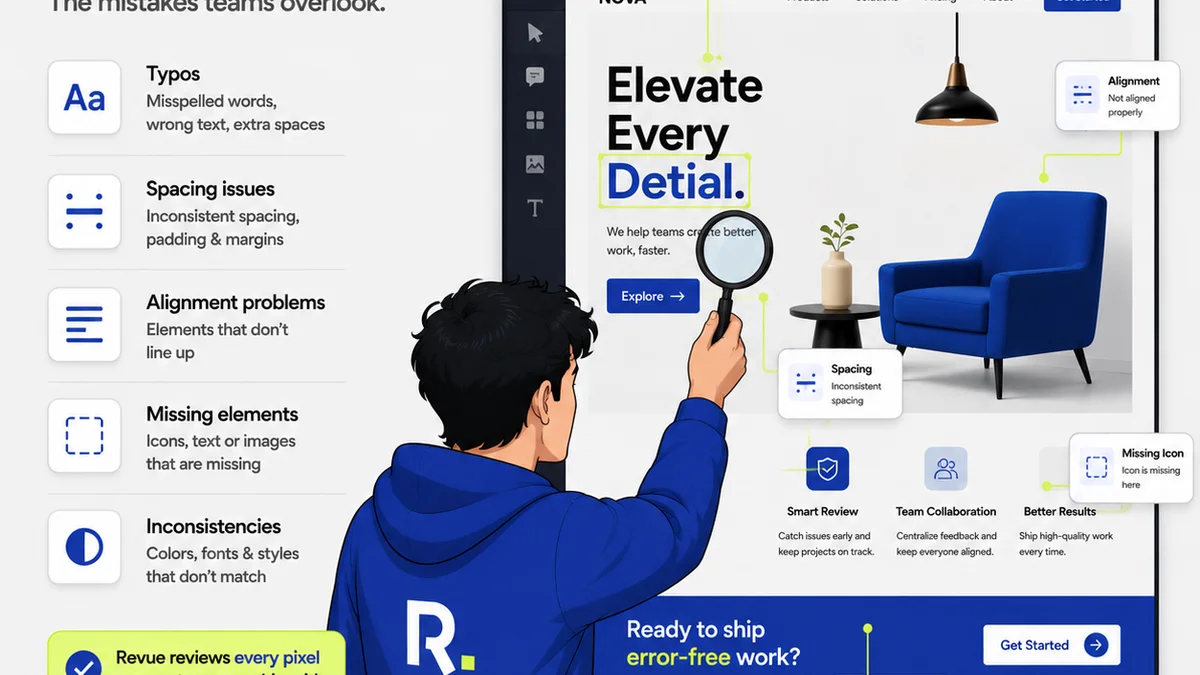
Everyone talks about design systems as the holy grail of consistency. They’re the secret weapon for massive companies, ensuring their apps and websites look and feel the same everywhere. It’s about efficiency, brand integrity, and maybe, just maybe, saving a few bucks.
None of that is wrong. But it’s incomplete.
For a growing design agency, a design system isn’t just a nice-to-have for large clients. It’s a fundamental operational shift that directly impacts your ability to scale, manage projects, onboard new talent, and ultimately, increase profitability. It’s about building a more robust, predictable, and profitable business.
1. The Myth of "We're Too Small for This"
This is the big one. The assumption is that design systems are overly complex, time-consuming, and only justifiable for Fortune 500s with dedicated teams. It’s seen as an overhead, a luxury, a project in itself that detracts from billable client work.
The hard truth? Ignoring the foundational work of a design system *is* the overhead. It’s the hidden cost that shows up as:
- Inconsistent client deliverables, leading to endless rounds of revision.
- Wasted time reinventing the wheel on common UI elements.
- Difficulty onboarding new designers who struggle to grasp brand guidelines and patterns.
- Missed opportunities to upsell or take on larger, more complex projects due to perceived lack of standardized process.
- A general sense of chaos when multiple designers work on the same project, or when handoffs occur.
A design system isn't about creating a massive, rigid library from day one. It’s about establishing a shared language and a toolkit that evolves with your agency.
Starting Small, Thinking Big
You don't need a full-blown component library with every possible permutation. Start with the fundamentals:
- Core Styles: Define your typography scale, color palette (primary, secondary, semantic), spacing units, and basic grid systems.
- Foundational Elements: Document common components like buttons, input fields, form elements, and basic navigation patterns.
- Brand Guidelines: Formalize logo usage, tone of voice, and imagery style.
This initial investment pays dividends immediately. It creates a single source of truth, reducing ambiguity and speeding up the design process for repetitive tasks. It’s about building a foundation, not a monument.
2. The Profitability Drain of Inconsistency
Think about your last few projects. How much time was spent arguing about button styles? Or the exact shade of blue? Or the spacing between elements on a form?
This isn't just about aesthetics. It's about billable hours being spent on decisions that should have already been made. It’s about scope creep disguised as
Frequently asked questions
What is a design system?
A design system is a collection of reusable components, guided by clear standards, that can be assembled to build any number of applications. It's a single source of truth that helps teams work together effectively and deliver consistent user experiences.
Do small agencies really need a design system?
Yes. While the scope might be smaller, a design system provides foundational consistency, speeds up workflows, and improves collaboration even for smaller teams. It's about building scalable processes from the start.
How long does it take to build a design system?
It's an ongoing process, not a one-time build. You can start with core styles and a few basic components in a matter of weeks, then iterate and expand over time as your agency's needs grow.
How does a design system help with client feedback?
By having a defined set of components and patterns, you can more easily identify feedback that relates to established elements versus new requirements. This leads to clearer communication and faster decision-making regarding revisions.