Everyone talks about design systems. They’re the shiny new object in the creative world, promising consistency, efficiency, and brand coherence. And none of that is wrong. But it’s incomplete.
The real magic of a design system isn’t just in the pixels or the documentation. It’s in the operational muscle it builds. It’s how it streamlines workflows, reduces friction, and ultimately, drives measurable business results.
That’s the hard truth: a design system’s true value isn't in its aesthetics, but in its ability to fundamentally improve how your team operates and delivers.
1. The Myth of 'Just Consistency'
The most common misconception about design systems is that they’re primarily about maintaining brand consistency. And sure, that’s a benefit. A big one.
But if that’s your only goal, you’re leaving massive value on the table. Consistency is a byproduct, not the primary driver of ROI.
The real win comes from the underlying structure and shared language a design system provides. It’s about building a reusable toolkit that accelerates production and minimizes costly rework.
The Cost of Inconsistency
Think about the alternative. Without a system:
- Designers reinvent the wheel on common UI elements.
- Developers write bespoke code for similar components.
- Marketing teams struggle to get on-brand assets.
- Clients see wildly different experiences across touchpoints.
- Onboarding new team members becomes a lengthy, inefficient process.
Each of these inefficiencies translates directly into wasted time, increased costs, and missed opportunities. That’s not just inconvenient; it’s a drag on your profitability.
2. Accelerating Production: From Weeks to Days
A well-implemented design system is an accelerator. It provides ready-made, battle-tested components that your team can assemble, not build from scratch.
Imagine a client needing a new landing page. Without a system, this involves:
- Discovery and wireframing common elements (forms, buttons, navigation).
- Designing these elements from scratch, often with multiple rounds of feedback.
- Developing these elements, then debugging.
- Repeating this process for every page, every campaign.
With a design system, the process shifts dramatically. Your designers and developers can pull from an established library of components. The focus moves from *building* to *assembling* and *configuring*.
Quantifying the Speed Gain
This isn't just anecdotal. Teams using design systems report significant reductions in development and design time for common tasks. Components that once took days to create can now be implemented in hours.
This speed advantage means:
- Faster time-to-market for new products or campaigns.
- Increased capacity to handle more projects without scaling headcount proportionally.
- More time for strategic thinking and complex problem-solving, rather than repetitive execution.
Faster delivery means happier clients and, crucially, more revenue-generating capacity for your agency.
3. Reducing Errors and Rework: The Hidden Cost Killer
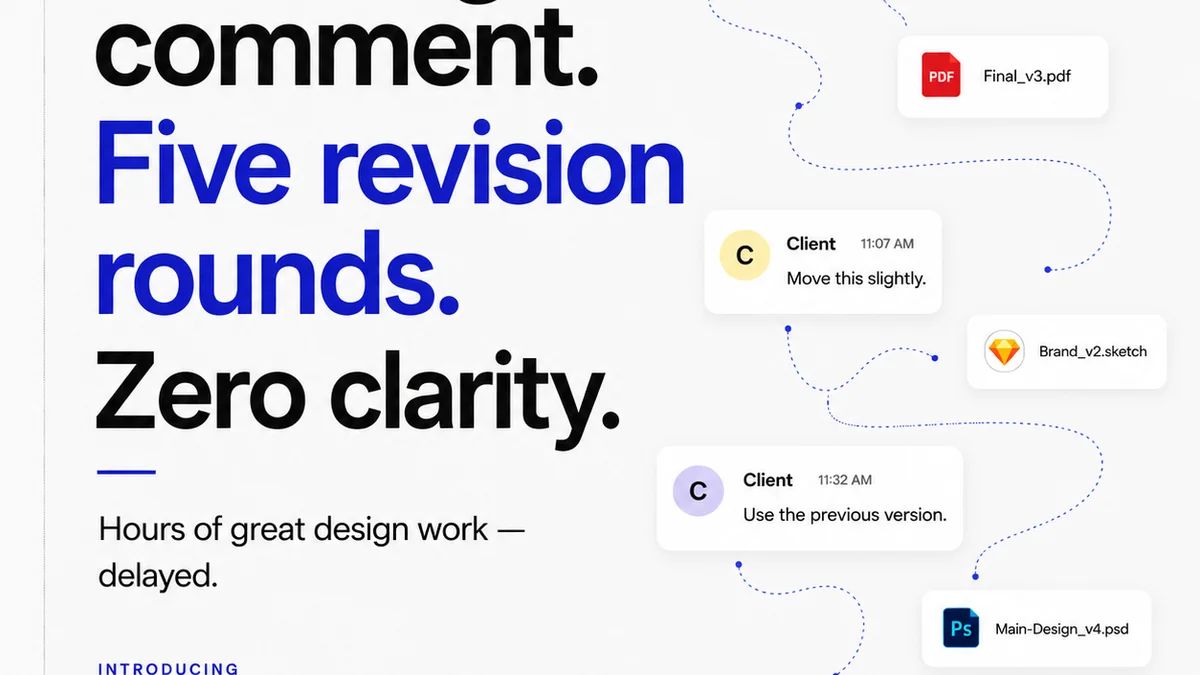
Rework is the silent killer of agency profits. It’s the hours spent fixing mistakes, addressing missed feedback, and redoing work that wasn’t quite right the first time.
Design systems tackle rework head-on by providing a single source of truth.
- Fewer Misinterpretations: When components are clearly defined and documented, there’s less room for interpretation. What a button looks like, how it behaves, and its approved states are all laid out.
- Streamlined Feedback: Client feedback can be focused on the *application* of components and the overall user experience, rather than debating the fundamental design of a button or input field.
- Automated Quality Assurance: Many design system tools integrate with QA processes, automatically checking for adherence to established patterns and accessibility standards.
The reduction in errors and the need for rework directly translates to improved margins. Less wasted time means more billable hours and a healthier bottom line.
4. Enhancing Collaboration and Communication
A design system isn't just for designers and developers. It’s a shared language that benefits the entire organization, including account managers, project managers, and even clients.
When everyone is working from the same playbook:
- Onboarding is Faster: New hires can get up to speed much more quickly by learning the system’s established patterns and principles.
- Cross-functional Alignment: Marketing, product, and design teams can communicate more effectively, using the system’s terminology and understanding its constraints.
- Client Education: Explaining design choices becomes easier when you can point to established patterns and principles within the system. This builds trust and manages expectations.
Improved collaboration reduces friction, speeds up decision-making, and minimizes the misunderstandings that often lead to costly errors and delays.
5. Scalability and Future-Proofing
As your agency grows, maintaining consistency and efficiency becomes exponentially harder. A design system provides a scalable foundation.
It allows you to:
- Expand your service offerings without a proportional increase in operational overhead.
- Adapt to new technologies and platforms more readily by updating core components.
- Maintain brand integrity even as your team and client roster grows.
Think of it as investing in infrastructure. A robust design system is the bedrock upon which you can build a more resilient, adaptable, and profitable business for the long term.
Where Revue Fits In
Building a design system is a significant undertaking. Implementing it effectively requires robust processes for managing feedback, revisions, and approvals. This is where Revue becomes indispensable.
Centralized Feedback: Instead of scattered email chains or Slack messages, all client feedback on designs lives in one place, linked directly to the specific elements or versions being reviewed. This clarity prevents misinterpretations and ensures everyone is working from the same set of comments.
Streamlined Revisions & Approvals: Revue provides clear visibility into the revision history and approval status of every design asset. This eliminates ambiguity about what’s been signed off and what needs further work, directly combating rework and speeding up the delivery cycle.
Quality Assurance: By centralizing feedback and tracking revisions, Revue helps ensure that final deliverables meet the established standards. When your design system defines the 'what,' Revue helps manage the 'how' and 'when' of getting there, ensuring quality is maintained throughout the process.
Revue doesn’t *build* your design system, but it provides the essential operational layer to make its adoption and ongoing use a smooth, efficient, and profitable reality.
Final Thought
A design system is an investment. Like any significant investment, its success is measured not just by its existence, but by the tangible returns it generates.
Are you viewing your design system as a purely aesthetic endeavor, or as a powerful operational engine designed to drive efficiency and profitability?
Frequently asked questions
What is a design system beyond a style guide?
A design system is a comprehensive set of standards, principles, and reusable components that govern an organization's design and development. While it includes a style guide, it goes further by providing actual code snippets, patterns, and guidelines for how to use them, acting as a single source of truth for building digital products.
How exactly does a design system reduce rework?
By providing clearly defined, pre-approved components and patterns, design systems minimize ambiguity and misinterpretation. This means fewer design deviations, less time spent debating basic elements, and more focused feedback on the overall strategy and user experience, leading to fewer costly revisions.
Can small agencies benefit from design systems?
Absolutely. While the scale might differ, the core benefits of efficiency, consistency, and reduced rework are valuable for agencies of all sizes. Starting with a foundational set of core components can provide immediate operational advantages.
What's the first step to implementing a design system?
The first step is often to audit your existing digital products and identify recurring patterns and components. This inventory helps prioritize what needs to be standardized first and builds a case for the system's necessity by highlighting existing inconsistencies and inefficiencies.