Everyone talks about DesignOps. You hear it’s about organizing design teams, managing tools, and streamlining workflows.
None of that is wrong. But it’s incomplete.
The real, hard truth? DesignOps isn't just about making designers’ lives easier. It’s about making the *entire creative output* of an agency or in-house team more predictable, scalable, and profitable.
1. Beyond the Buzzword: What DesignOps Really Is
DesignOps is the orchestration and optimization of people, processes, and tools to amplify design’s value and impact at scale. It’s the operational plumbing that ensures a steady, high-quality flow of creative work, from initial concept to final delivery.
Think of it as the unsung hero behind every successful creative project. It’s the engine, not just the paint job.
The Core Pillars of DesignOps
Effective DesignOps rests on three interconnected pillars:
- People: Ensuring the right talent is in place, supported, and empowered to do their best work. This includes onboarding, training, career development, and fostering a healthy team culture.
- Process: Establishing clear, repeatable workflows for everything from brief intake to final asset handoff. This minimizes friction, reduces errors, and ensures consistency.
- Tools: Selecting, integrating, and managing the technology stack that supports design creation, collaboration, and delivery. The right tools boost efficiency and enable new capabilities.
When these three pillars are strong and aligned, magic happens. When they’re weak, chaos reigns.
2. The Hidden Costs of Bad DesignOps
You might think your agency is agile because your designers are talented. You might believe your in-house team is efficient because they hit deadlines (most of the time).
But what’s the real cost of disorganization?
- Missed deadlines due to unclear briefs or scope creep.
- Rework caused by inconsistent feedback or version control nightmares.
- Wasted hours searching for assets or understanding past project decisions.
- Client frustration stemming from slow revision cycles.
- Burnout among your creative team from constant firefighting.
- Lost revenue because projects take longer than they should.
These aren't minor inconveniences. They are systemic drains on your agency’s profitability and your team’s morale.
Poor DesignOps is a silent killer of creative potential.
3. Building Your DesignOps Foundation
Implementing DesignOps isn’t a one-size-fits-all overhaul. It’s a strategic evolution. Start by diagnosing your current pain points.
Audit Your Current State
Ask the tough questions:
- How long does it *really* take to get a project from brief to final approval?
- Where do most projects get stuck?
- Is feedback clearly documented and actionable?
- Are designers constantly reinventing the wheel?
- Do you have a single source of truth for project assets and decisions?
Be honest. The goal isn’t to point fingers, but to identify bottlenecks.
Key Areas to Focus On
Based on your audit, prioritize:
- Workflow Standardization: Map out your core creative processes. Identify steps that can be templated, automated, or clarified. This includes intake, briefing, creative development, review, revision, and delivery.
- Feedback & Approval Management: This is critical. How is feedback collected? Is it consolidated? Is it clear who has final say? Ambiguity here is a project killer.
- Asset Management & Version Control: Where do final assets live? How do you track revisions? Losing track of the latest version is a common, costly mistake.
- Tooling Strategy: Don’t just adopt every shiny new tool. Choose tools that integrate well and solve specific problems identified in your audit. Standardize where possible.
- Team Enablement: Ensure your team understands the processes and has the training for the tools. Foster a culture that values operational excellence.
4. Where Revue Fits In
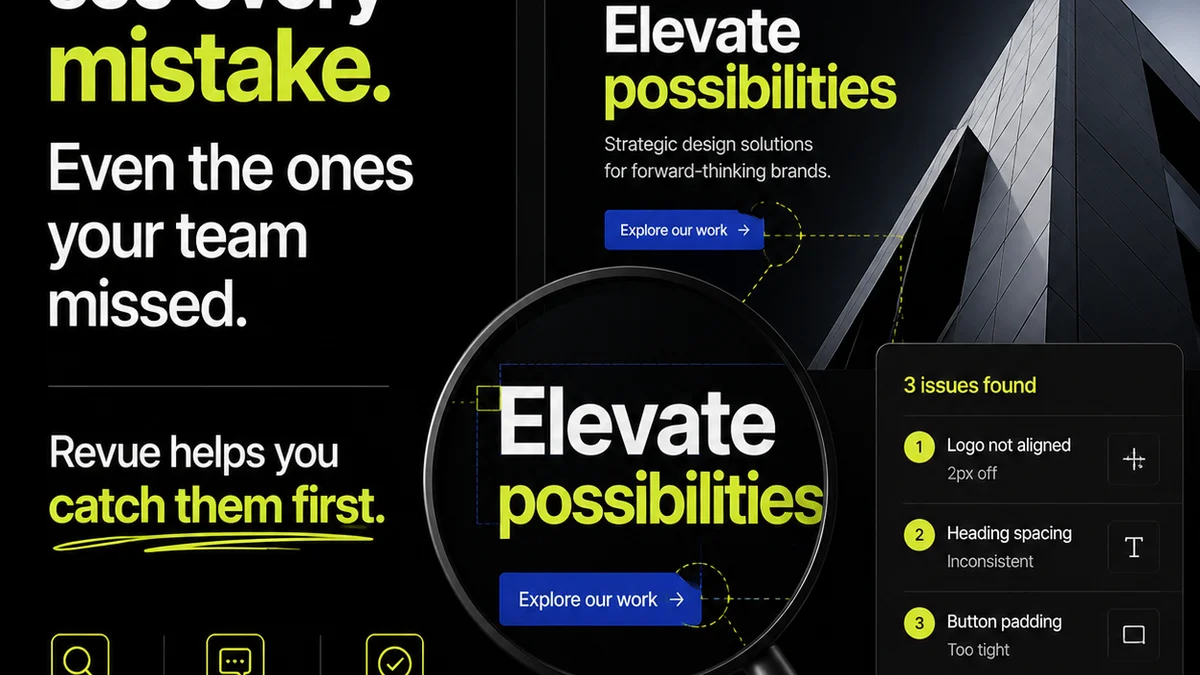
Many agencies and in-house teams struggle with DesignOps because managing client feedback, revisions, and approvals is a constant battleground. This is precisely where a platform like Revue can be a game-changer.
Imagine a single source of truth for every creative deliverable. Clients can leave precise, contextual feedback directly on the work.
Revisions are tracked transparently, showing the evolution of a design and the history of comments. Approvals become clear, documented milestones, not ambiguous email chains.
This isn’t just about making things neat. It’s about:
- Centralizing Communication: All feedback, discussions, and decisions live in one place, tied to the specific creative asset. No more digging through emails or Slack messages.
- Streamlining Revisions: Clearly seeing what needs to be changed, why, and by whom dramatically reduces back-and-forth.
- Ensuring Quality Control: Having a clear record of feedback and approvals helps prevent overlooked details and ensures the final output meets expectations.
- Improving Client Relationships: A transparent, efficient review process builds trust and reduces friction, leading to happier clients and faster project cycles.
By providing a structured environment for feedback and approvals, Revue directly addresses some of the biggest operational headaches that plague creative teams, enabling them to focus more on creating and less on managing the chaos.
5. The Future of DesignOps: Scalability and Impact
DesignOps is not a static checklist. It's a philosophy of continuous improvement.
As teams grow and projects become more complex, a robust DesignOps framework becomes non-negotiable.
It’s the difference between a creative team that thrives under pressure and one that buckles.
It’s the difference between a consistently profitable agency and one that’s always scrambling.
Final Thought
Are you managing your creative operations, or are your operations managing you?
Frequently asked questions
What is the primary goal of DesignOps?
The primary goal of DesignOps is to amplify design's value and impact by optimizing the people, processes, and tools involved in creative work, leading to more predictable, scalable, and profitable outcomes.
How does DesignOps differ from Project Management?
While Project Management focuses on the execution of a specific project, DesignOps is a broader discipline focused on the operational systems that support the entire design function. It addresses how design teams work, collaborate, and deliver consistently across all projects.
What are the key components of a DesignOps strategy?
Key components include standardizing workflows, managing feedback and approvals effectively, implementing robust asset management and version control, selecting and integrating the right tools, and focusing on team enablement and culture.
Can small agencies benefit from DesignOps?
Absolutely. Even small agencies can benefit by identifying and addressing their most critical operational bottlenecks, such as feedback loops or asset organization. DesignOps is scalable and can be adapted to any team size.
How does DesignOps improve client satisfaction?
By streamlining processes, ensuring clear communication, providing transparent tracking of revisions and approvals, and delivering consistent quality, DesignOps leads to faster project cycles and a more professional, predictable client experience.