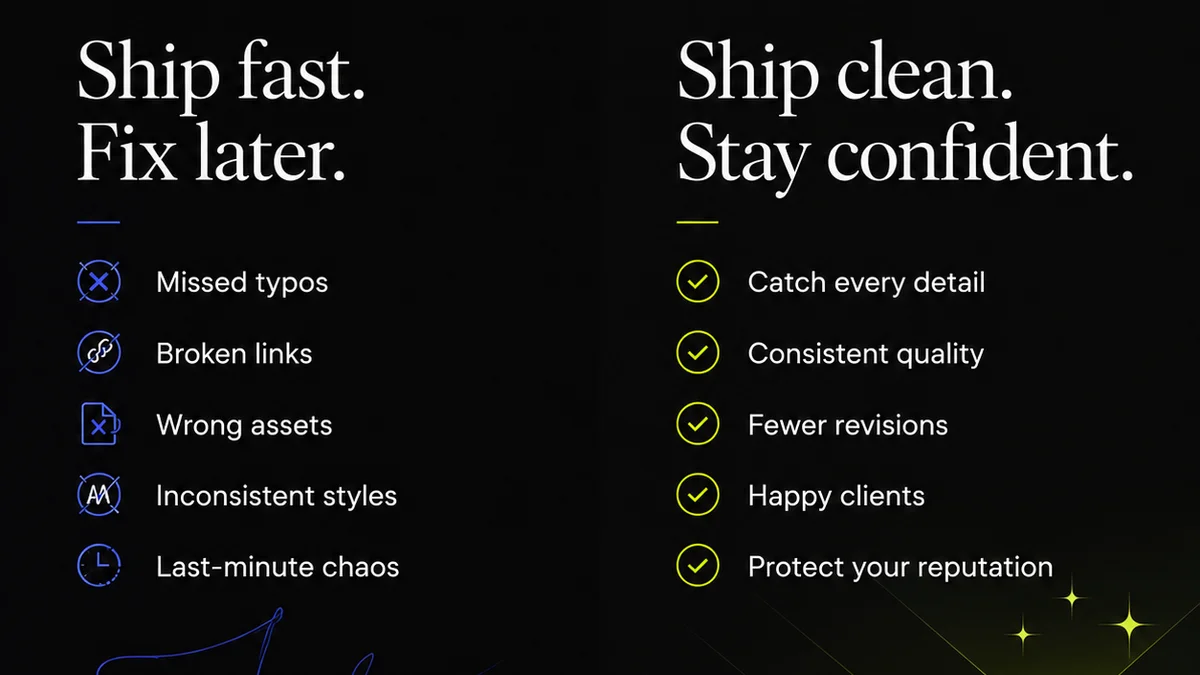
You hear "DesignOps" and think of software. The latest tools, the slickest platforms, the perfect integrations. Maybe you imagine a dedicated team orchestrating it all.
None of that is wrong. But it’s incomplete.
The real truth about DesignOps is that it’s not about the *what*; it’s about the *how*. It’s the invisible machinery that turns creative potential into predictable, scalable, high-quality output. It’s the operational discipline that allows design teams to thrive, not just survive.
1. What DesignOps Really Is (Beyond the Buzzwords)
DesignOps is the practice of developing, maintaining, and scaling the systems, processes, and workflows that enable design teams to do their best work.
Think of it as the operational backbone of design. It’s the structure that supports creativity, not stifles it.
It’s about removing friction. Identifying bottlenecks. Automating the mundane. Ensuring consistency. And ultimately, freeing up designers to focus on what they do best: solving problems and creating compelling experiences.
Why It Matters More Than Ever
In today's fast-paced digital world, design teams are under immense pressure. Clients demand more, faster, and with better results. In-house teams are expected to be more strategic and integrated.
Without a solid operational foundation, design teams can quickly become overwhelmed. Projects slip, quality suffers, and talented designers burn out.
This isn't just an agency problem. It’s a universal challenge for any team producing creative work.
2. The Core Pillars of Effective DesignOps
DesignOps isn’t a single tool or a single person. It’s a holistic approach built on several key pillars:
a. People and Culture
This is the bedrock. It’s about fostering an environment where designers feel supported, valued, and empowered.
- Clear roles and responsibilities.
- Defined career paths and growth opportunities.
- Effective communication channels.
- A culture of collaboration and continuous learning.
- Strategies for managing workload and preventing burnout.
b. Process and Workflow
This is where the rubber meets the road. It’s about streamlining how work gets done.
- Standardized project kickoff procedures.
- Clear briefs and requirements gathering.
- Defined revision and approval cycles.
- Efficient handoff to development or other stakeholders.
- Consistent quality assurance checkpoints.
c. Tools and Technology
The enablers. Tools should support the process, not dictate it.
- Centralized asset management.
- Design system management and governance.
- Collaboration and feedback platforms.
- Project management and tracking software.
- Automation where possible (e.g., code generation, asset export).
d. Knowledge and Information
Ensuring everyone has access to what they need, when they need it.
- Documentation of processes and best practices.
- A searchable knowledge base.
- Onboarding materials for new team members.
- Post-project reviews and retrospectives.
3. Identifying Your DesignOps Gaps
How do you know if your design operations are falling short? Look for these symptoms:
- Designers constantly reinventing the wheel.
- Frequent miscommunication between design and other teams.
- Endless, unproductive revision cycles.
- Difficulty tracking project status and approvals.
- Inconsistent brand or design quality across projects.
- Talented designers leaving the team.
- A general feeling of chaos or overwhelm.
- Tools that create more work than they save.
If any of these sound familiar, you likely have a DesignOps problem.
4. Building Your DesignOps Framework
Start small. Don’t try to boil the ocean.
Identify your biggest pain points. Where is the most friction? Where is the most time being wasted?
Focus on one area first. Maybe it’s standardizing your client feedback process. Or perhaps it’s establishing a clear approval workflow.
Document everything.
Once you have a process, write it down. Make it accessible. This is crucial for consistency and onboarding.
Leverage technology thoughtfully.
Choose tools that solve specific problems and integrate well with your existing stack. Don’t adopt new tech just for the sake of it.
Get buy-in.
Involve your team in defining and refining processes. They are the ones doing the work, and their input is invaluable.
5. Where Revue Fits In
Managing client feedback, revisions, and approvals is a critical, often messy, part of the design process. This is where operational discipline can make a world of difference.
Revue provides a centralized hub for all creative work and client interactions. Instead of chasing emails or digging through chat threads, you have a single source of truth.
- Centralized Feedback: All comments, annotations, and discussions live directly on the creative asset. No more scattered feedback across multiple platforms.
- Revision Visibility: Easily track versions, see what’s changed, and manage the progression from draft to final.
- Streamlined Approvals: Define clear approval workflows, get explicit sign-offs, and maintain an auditable trail.
- Quality Checks: Ensure that feedback is addressed and approvals are secured before moving to the next stage, maintaining project quality.
By bringing structure to these core design activities, Revue helps operationalize a chaotic part of the workflow, reducing errors and speeding up delivery.
6. The Future of DesignOps
DesignOps is evolving. As teams grow and projects become more complex, the need for robust operational frameworks will only increase.
We’ll see more sophisticated automation, better AI-assisted workflows, and a deeper integration of design with business strategy.
The teams that embrace DesignOps will be the ones that can scale effectively, deliver consistently, and ultimately, create more impactful work.
Final Thought
Is DesignOps just another layer of process to manage? Or is it the key to unlocking your team’s true creative potential?
Frequently asked questions
What is the primary goal of DesignOps?
The primary goal of DesignOps is to improve the efficiency, effectiveness, and scalability of design teams by optimizing their systems, processes, and workflows. It aims to remove friction, automate mundane tasks, and ensure consistent quality, freeing up designers to focus on creative problem-solving.
Is DesignOps only for large design teams?
No, DesignOps principles are beneficial for design teams of all sizes. Even small teams can implement basic DesignOps practices to improve clarity, consistency, and efficiency in their workflows. The scale and complexity of the implementation will vary, but the core benefits remain.
What are the key components of a DesignOps strategy?
A DesignOps strategy typically includes four key pillars: People and Culture (fostering a supportive environment), Process and Workflow (streamlining how work gets done), Tools and Technology (selecting and integrating appropriate software), and Knowledge and Information (ensuring access to documentation and best practices).
How does DesignOps differ from Project Management?
While related, DesignOps focuses specifically on the operational aspects of the design *process* itself – how design work is executed, managed, and scaled within a team. Project Management is broader and focuses on the overall planning, execution, and delivery of a specific project, which may include design but also other disciplines.