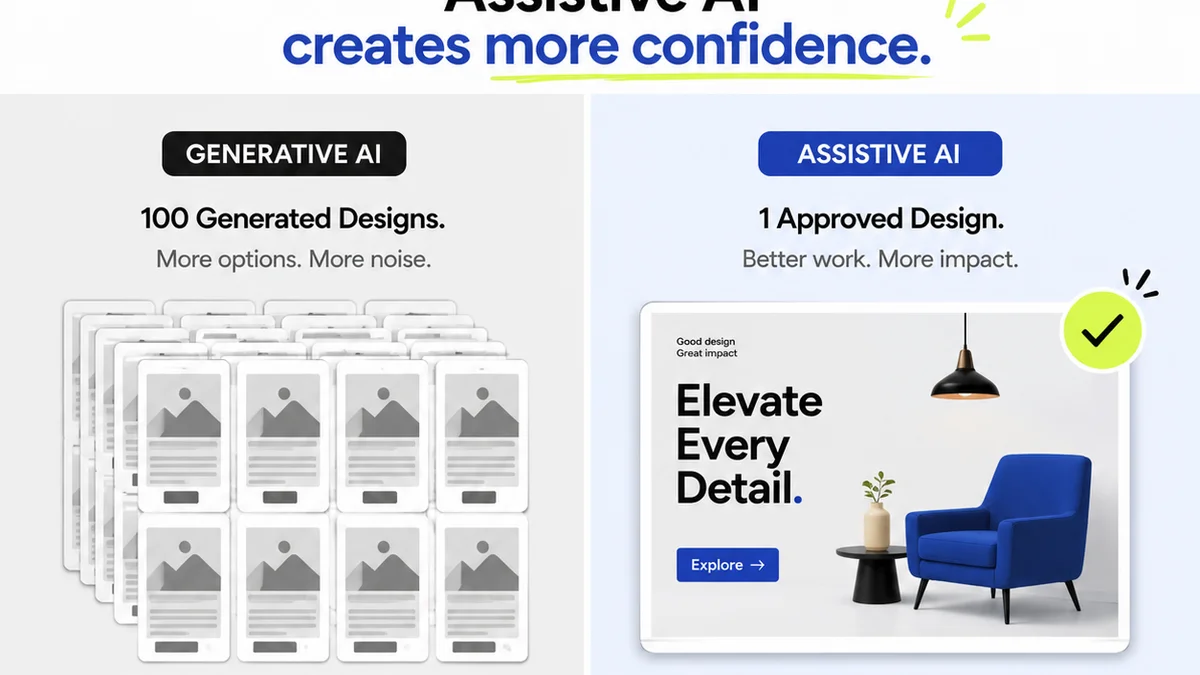
Everyone talks about DesignOps as the silver bullet for creative team chaos. You hear it's about tools, platforms, and processes that will magically make client feedback disappear and approvals appear. That’s not entirely wrong. But it’s far from the whole story.
The real truth about DesignOps is that it’s the operational backbone that prevents your creative engine from grinding to a halt. It’s about anticipating friction, not just reacting to it. And most teams get it wrong by focusing on the surface-level tech instead of the deep, messy human workflows it’s supposed to support.
1. Treating DesignOps as a Tool, Not a System
The biggest mistake? Believing that buying a new piece of software will fix everything. You deploy a new proofing tool, a new asset manager, or a new project management system, and expect miracles. That’s like buying a fancy espresso machine and expecting your barista to suddenly become a world champion. The machine is only as good as the person operating it and the beans they’re using.
DesignOps is a holistic system. It encompasses people, processes, and technology. Focusing on just one element, usually technology, is a recipe for disappointment. You end up with a shiny new tool that nobody uses correctly, or worse, that creates new silos.
The Symptoms of a Tool-First Approach
- Tool sprawl: Multiple overlapping tools nobody is trained on.
- Low adoption rates: Teams revert to old habits because the new tool is too complex or doesn't fit their workflow.
- Increased friction: The new tool adds steps rather than removing them.
- Missed deadlines: Because the workflow is broken, not the software.
The real work of DesignOps is mapping, understanding, and optimizing the *entire* flow of creative work, from brief to final delivery. The tools are just enablers.
2. Neglecting the Human Element
Your team members are not cogs in a machine. They have preferences, working styles, and varying levels of technical proficiency. A DesignOps strategy that ignores this is doomed.
Forcing a rigid, one-size-fits-all process onto a diverse team breeds resentment and inefficiency. People will find workarounds, which are often less efficient and harder to track.
Key Human Factors to Consider
- Communication styles: How does your team naturally communicate?
- Feedback loops: Are they natural and integrated, or bolted on?
- Skill gaps: Does everyone understand the tools and processes?
- Team buy-in: Were people involved in shaping the system?
DesignOps should empower your team, not burden them. This means understanding their current workflows, pain points, and aspirations before you implement anything.
3. Over-Engineering Simple Processes
Complexity is the enemy of adoption. When you try to build the perfect, all-encompassing process for every conceivable scenario, you create something so bureaucratic that no one can follow it.
Think about client feedback. The assumption is that more layers of approval, more detailed sign-offs, and more documentation are better. The truth? Often, it just slows everything down and introduces more points of failure.
A streamlined process is often a simpler process.
Examples of Over-Engineering
- Mandatory multi-stage reviews for minor copy edits.
- Requiring formal sign-off on every single wireframe iteration.
- Complex multi-level approval chains for small website updates.
The goal is clarity and efficiency, not a paper trail for its own sake. Sometimes, a quick Slack message and a visual annotation are all you need.
4. Failing to Define Clear Roles and Responsibilities
Who owns what? When feedback is unclear, or a revision isn't made, who is accountable?
Ambiguity here is a breeding ground for errors, missed deadlines, and inter-team conflict. If it's not clear who is responsible for collecting feedback, consolidating it, assigning revisions, or giving the final sign-off, things will fall through the cracks.
This isn't just about assigning tasks. It's about defining ownership at each critical juncture of the creative process.
Common Role Ambiguities
- The
Frequently asked questions
What is the biggest mistake teams make when implementing DesignOps?
The most common mistake is treating DesignOps as solely a technology or tool problem, rather than a holistic system involving people, processes, and technology. Focusing only on software without considering how your team works and communicates leads to poor adoption and continued inefficiencies.
How can I avoid over-engineering DesignOps processes?
Keep it simple. Focus on streamlining core workflows rather than creating overly complex systems for every edge case. Define clear steps for common tasks like feedback and revisions, and empower your team to use judgment. The goal is efficiency and clarity, not bureaucracy.
Why is defining roles and responsibilities crucial in DesignOps?
Clear roles and responsibilities prevent confusion, ensure accountability, and streamline decision-making. When everyone knows who is responsible for what at each stage—from feedback collection to final approval—it minimizes errors, reduces bottlenecks, and improves project velocity.
How does DesignOps relate to client feedback and approvals?
DesignOps provides the framework and tools to manage client feedback and approvals more effectively. This includes centralizing feedback, standardizing the review process, ensuring clear communication of revisions, and providing visibility into approval statuses, all of which reduce misunderstandings and speed up the cycle.