The common wisdom on DesignOps is that it’s about process. It’s about checklists, templates, and standard operating procedures. It’s about making sure everyone on the design team is doing things the same way.
None of that is wrong. But it’s incomplete.
The deeper truth? DesignOps isn't about process for process's sake. It’s about removing friction. It’s about unlocking your team’s speed and creativity by clearing away the obstacles that slow them down.
If you think DesignOps is just more paperwork, you’re already doing it wrong. And you’re probably slowing your team down.
1. The Myth of the Lone Genius Designer
We love the idea of the brilliant designer who magically churns out perfect work. The reality is much messier.
Great design is rarely a solo act. It’s collaborative. It’s iterative. It involves clients, stakeholders, and multiple rounds of feedback.
Trying to operate like a lone genius is a recipe for chaos. It leads to:
- Inconsistent output
- Missed deadlines
- Wasted effort
- Client frustration
DesignOps acknowledges that design is a team sport. It builds systems that support that reality.
1.1. Standardizing the Mundane
This isn't about stifling creativity. It's about freeing up creative energy.
Think about the repetitive tasks that bog down your team:
- Setting up new project files
- Exporting assets in multiple formats
- Organizing design libraries
- Managing client feedback loops
When these tasks are ad-hoc, each designer reinvents the wheel. That’s wasted time. It’s also a breeding ground for errors.
DesignOps provides templates, tools, and workflows to handle these essentials efficiently. This allows your designers to focus on the actual problem-solving, the ideation, the craft.
1.2. Building a Shared Language
How often do you see designers and clients speaking different technical languages? Or even different internal languages?
This disconnect causes delays. Misunderstandings. Redos.
DesignOps promotes clarity. It establishes common terminology for deliverables, feedback, and project stages. It ensures everyone is on the same page, from kickoff to final delivery.
2. The Cost of Unmanaged Feedback
Client feedback is essential. It’s the lifeblood of iterative design. But unmanaged feedback is a death sentence for project timelines.
How many times have you seen a project derailed by:
- Vague or contradictory feedback
- Feedback arriving late, after significant work has been done
- Feedback from the wrong stakeholders
- Endless email chains with no clear resolution
This isn't just annoying; it's incredibly expensive. It leads to scope creep, team burnout, and damaged client relationships.
2.1. Centralizing Communication
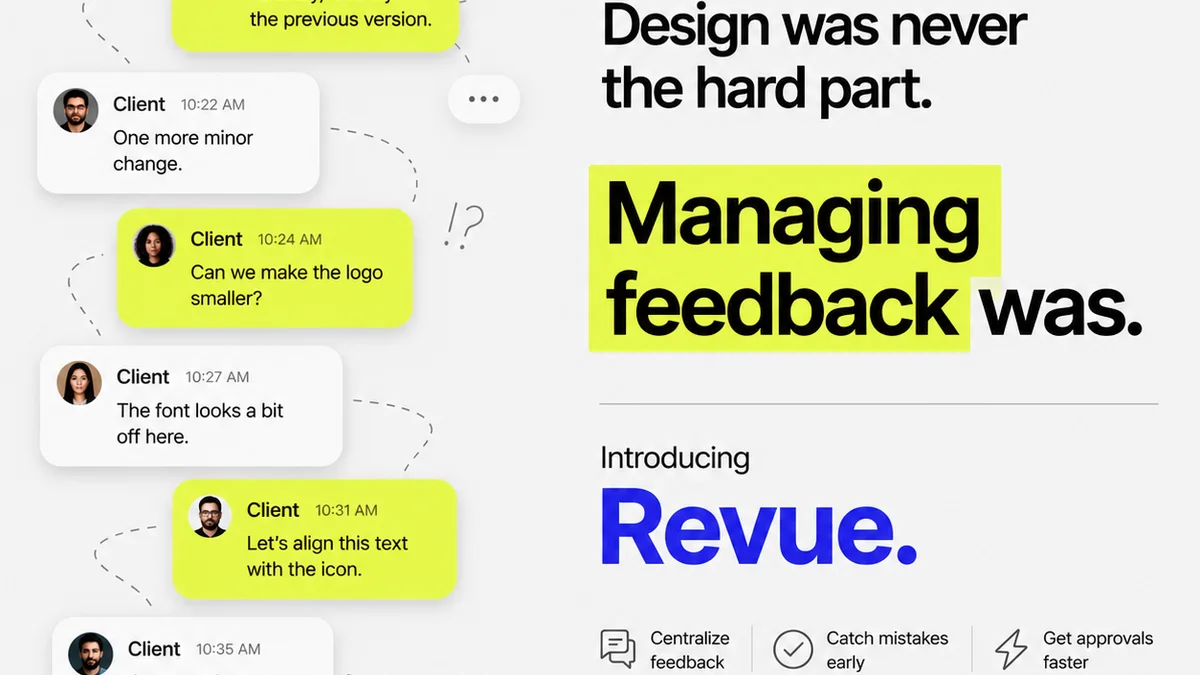
The biggest culprit? Feedback scattered across emails, Slack messages, and random documents. No one knows where to find the latest comments or decisions.
DesignOps demands a single source of truth for feedback. A place where comments are logged, discussed, and acted upon. This eliminates confusion and ensures all feedback is accounted for.
2.2. Streamlining Revisions and Approvals
Revision rounds can quickly spiral out of control. Without clear processes, it’s easy for requests to get lost or misinterpreted.
DesignOps introduces structured revision cycles. It defines:
- Who provides feedback
- What constitutes a revision versus a new request
- How many rounds are included
- The process for final sign-off
This clarity speeds up the back-and-forth. It keeps projects moving forward, not stuck in a loop.
3. The Hidden Drain of Inefficient Workflows
You might have talented designers, but if your internal processes are clunky, their talent is wasted.
Think about the daily grind:
- Searching for the latest project files
- Manually compiling reports
- Onboarding new team members without a clear process
- Difficulty tracking project status
These aren't small inconveniences. They add up. They create friction. And friction slows everything down.
3.1. Automating the Tedious
Where can technology step in? DesignOps identifies opportunities for automation.
This could be:
- Automated file exports
- Automated status updates
- Automated quality checks on assets
- Automated project setup templates
The goal is simple: let tools handle the repetitive, low-value tasks, so your humans can focus on high-value creative work.
3.2. Creating Clear Handoffs
Design doesn’t exist in a vacuum. It needs to integrate with development, marketing, and other departments.
Inefficient handoffs are a major bottleneck. This often stems from:
- Incomplete design specifications
- Lack of clear communication between teams
- Assets delivered in the wrong format or without proper naming conventions
DesignOps establishes clear protocols for these handoffs. It ensures that when design is ready, it can be seamlessly passed to the next stage, minimizing delays and misinterpretations.
4. Quality Control: More Than Just a Final Check
Many teams treat quality control as a last-minute scramble. A quick look-over before launch.
This is a mistake. Quality shouldn't be an afterthought; it should be baked into the process.
When quality checks are rushed or inconsistent, you get:
- Inconsistent branding across touchpoints
- Technical errors in digital products
- Typos and grammatical mistakes in copy
- Designs that don't meet accessibility standards
These issues erode client trust and damage your agency’s reputation.
4.1. Building Quality into the Workflow
DesignOps integrates quality assurance at multiple stages, not just the end.
This means:
- Checklists for common design errors
- Automated checks for asset consistency
- Peer reviews at critical milestones
- Client reviews focused on specific deliverables
By embedding quality checks throughout, you catch issues early when they are cheapest and easiest to fix. This prevents costly rework later.
Where Revue Fits In
Managing feedback, tracking revisions, and ensuring quality are core challenges that DesignOps aims to solve. Revue is built to support these exact needs.
Imagine this:
- All client feedback, from every stakeholder, consolidated in one place. No more hunting through emails.
- Clear version history for every design iteration, so you always know which version is approved.
- Streamlined approval workflows that keep projects moving and stakeholders accountable.
- Centralized asset management, ensuring the right versions are always accessible for handoff.
Revue helps operationalize your design process, reducing the friction points that slow teams down. It provides the visibility and control needed to execute DesignOps principles effectively.
Final Thought
DesignOps isn't a set of rules designed to make your life harder. It's a strategic approach to making your creative process smoother, faster, and more effective.
The real goal isn’t just efficiency; it’s creating the conditions for your team to do their best, most impactful work.
Are you building systems that enable speed, or are you inadvertently creating roadblocks?
Frequently asked questions
What is the primary goal of DesignOps?
The primary goal of DesignOps is to remove friction and inefficiencies from the design process, enabling designers to focus more on creative work and less on administrative tasks. It aims to streamline workflows, improve collaboration, and enhance the overall quality and speed of design output.
How can DesignOps prevent slowing down a creative team?
DesignOps prevents slowdowns by establishing clear processes, standardizing repetitive tasks, centralizing feedback and approvals, and leveraging tools for automation. This reduces ambiguity, minimizes rework, and ensures smoother project progression.
Is DesignOps just about implementing more tools and software?
No, DesignOps is not solely about tools. While tools are important enablers, DesignOps is fundamentally about strategy, process, and people. It's about creating systems and workflows that support the design team's effectiveness, with technology serving those systems.
How does DesignOps help manage client feedback?
DesignOps centralizes client feedback into a single, organized system. This ensures all comments are captured, tracked, and addressed systematically, preventing miscommunication, lost feedback, and endless email chains, which speeds up the revision process.