Everyone’s talking about AI revolutionizing editorial workflows. And sure, the tech is impressive. It promises to automate tasks, speed up content creation, and personalize delivery like never before.
None of that is wrong. But it’s incomplete.
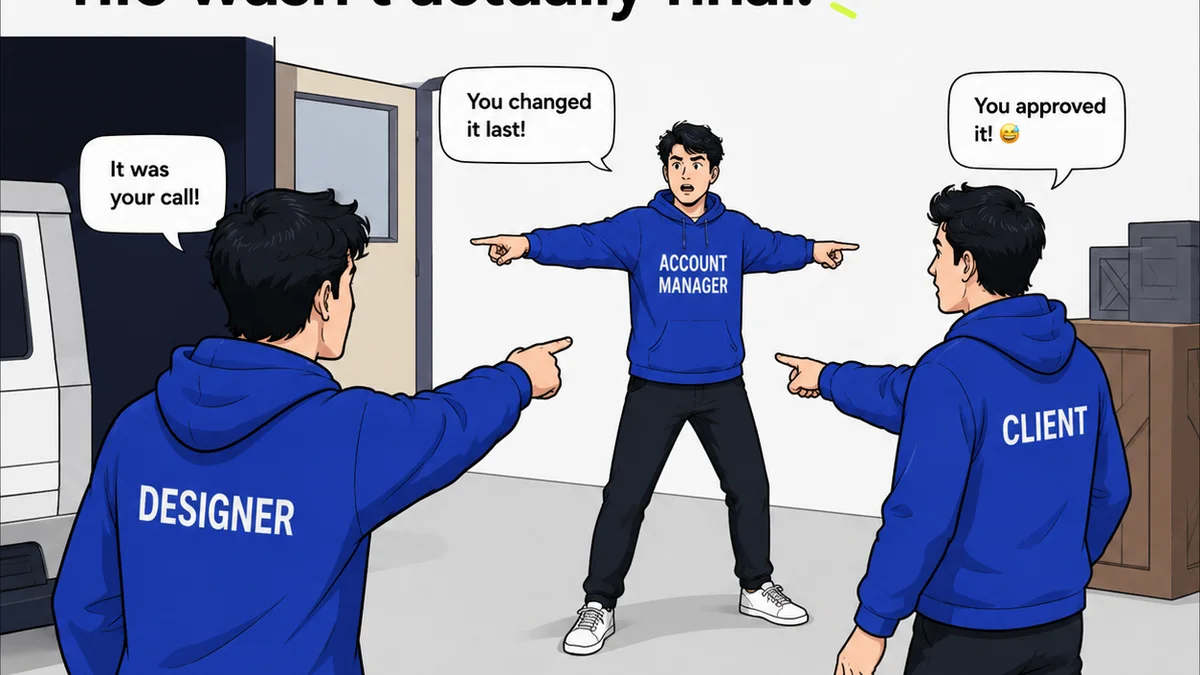
The hard truth is that the biggest bottlenecks in editorial workflows aren’t technological. They’re human. They’re about communication, clarity, and process. The tech will only amplify what’s already there – good or bad.
1. The Myth of the
Frequently asked questions
How can AI truly improve an editorial workflow?
AI can significantly enhance editorial workflows by automating repetitive tasks like initial drafts, content summarization, grammar checks, and even basic SEO optimization. It can also help with content personalization and distribution. However, its effectiveness hinges on a well-defined existing workflow and clear human oversight for quality control and strategic direction.
What are the most common human bottlenecks in editorial workflows?
Common human bottlenecks include unclear feedback, delayed approvals, siloed communication, scope creep, inefficient handoffs between team members or departments, and a lack of standardized processes. These issues often lead to project delays and decreased quality.
How can agencies prepare their editorial workflows for the future?
Agencies should focus on establishing clear communication protocols, implementing robust feedback and approval systems, defining roles and responsibilities, and fostering a culture of continuous process improvement. Investing in tools that centralize these functions, like Revue, can also be crucial.
Is it better to adopt new technology or refine existing processes first?
It's almost always better to refine existing processes first. Technology is an enabler, not a silver bullet. Implementing new tools into a chaotic workflow will only create more chaos. Once processes are streamlined and clear, technology can then be layered on to enhance efficiency and scalability.