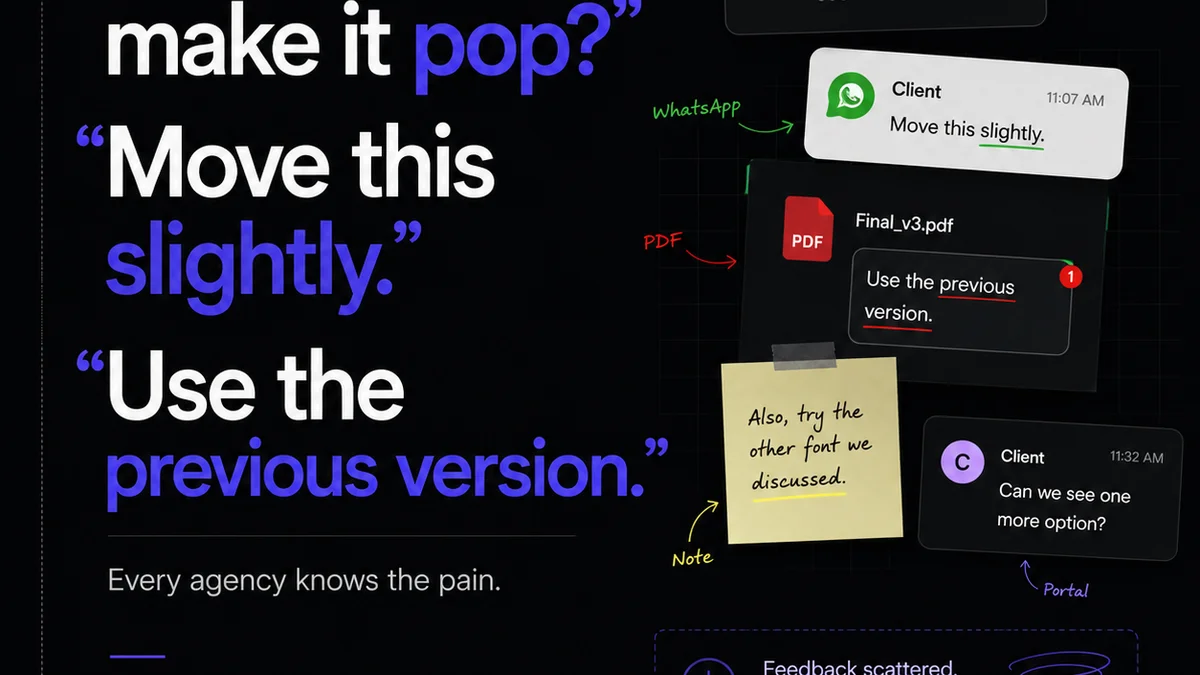
Everyone agrees that creative governance is necessary. It’s the framework that keeps projects on track, ensures brand consistency, and maintains quality. But ask anyone who’s actually *in* the creative trenches, and they’ll tell you: good governance often feels like a roadblock. It’s the endless meetings, the confusing feedback loops, the approvals that take forever. None of that is wrong. But it’s incomplete.
The hard truth? Poorly implemented governance isn’t the problem. The problem is assuming governance is just about rules and processes. Real creative governance is about communication, clarity, and control. It’s about making sure the right people see the right things at the right time, with context. When it’s done right, it’s not a bottleneck; it’s the fast lane. When it’s done wrong, it’s a traffic jam. Let’s talk about clearing that jam.
1. The Illusion of Centralized Control
Many agencies and in-house teams think creative governance means one person or one department calling all the shots. They set up a central review board, a strict sign-off process, or a rigid brand police unit. The idea is to prevent rogue elements and ensure everything aligns.
This often backfires.
Why? Because true governance isn’t about hoarding control. It’s about distributing it intelligently. When too much power is concentrated, information gets lost, decisions get delayed, and the people doing the actual creative work feel disempowered. They can’t move forward without a stamp of approval that’s stuck in committee.
Symptoms of Centralized Control Gone Wrong:
- Endless email chains for single feedback points.
- Key stakeholders are unaware of project status.
- Creative teams feel micromanaged or ignored.
- Delays due to waiting for one specific person’s sign-off.
- Brand guidelines are treated as rigid dogma, not adaptable tools.
The goal isn’t to centralize *decisions*. It’s to centralize *visibility* and *accountability*. This means making sure everyone involved has access to the latest version, understands the scope, and knows who is responsible for what. It’s about creating a single source of truth, not a single point of failure.
2. The Feedback Black Hole
This is where most creative governance breaks down. Feedback is essential, but the way it’s collected, communicated, and actioned can create massive bottlenecks. Think about it: How often does feedback arrive scattered across emails, Slack messages, and informal chats? How often is it contradictory? How often does it lack clear direction?
This isn’t just frustrating; it’s inefficient. Creatives have to sift through noise, reconcile conflicting advice, and chase down clarification. Every hour spent deciphering feedback is an hour not spent creating.
The core problem is the lack of a structured, contextualized feedback mechanism. Without it, feedback becomes subjective, emotional, and often unhelpful.
Common Feedback Failures:
- Vague Comments: “I don’t like it.” “Make it pop more.”
- Conflicting Input: Marketing wants one thing, sales another, legal a third.
- Delayed Feedback: Comments arrive days or weeks late, forcing rework.
- Lack of Context: Feedback given without understanding the brief or objective.
- Unclear Ownership: Who is responsible for consolidating and acting on feedback?
Effective governance requires a system where feedback is specific, actionable, and tied directly to the creative asset. It needs to be consolidated in one place, with clear version control, so everyone is working from the same page. This ensures feedback serves the project, rather than derailing it.
3. The Approval Paralysis
Approvals are the gatekeepers of creative projects. When they work, they provide confidence and clear the path forward. When they don’t, they become the biggest bottleneck in the entire process. We’ve all seen projects stall for weeks waiting for a final sign-off from a busy executive or a disconnected stakeholder.
This paralysis stems from a few key issues:
First, unclear approval workflows. Who needs to approve what, and at which stage? When this isn’t defined, people either approve things they shouldn’t, or they delay approvals because they’re unsure of their role.
Second, lack of accountability. If there’s no clear deadline or consequence for delayed approvals, they will always be deprioritized. Stakeholders are busy; their priorities will naturally shift away from your project if it’s not urgent to them.
Third, poor visibility. If approvers don’t have easy access to the latest version, the brief, and previous feedback, they can’t make informed decisions quickly. They’ll ask for clarification, adding more time.
Strategies to Beat Approval Paralysis:
- Define Tiers of Approval: Not every piece needs C-suite sign-off. Differentiate between concept approval, final artwork, and minor copy tweaks.
- Set Clear Deadlines: Assign specific deadlines for each approval stage.
- Automate Reminders: Use tools that send automated notifications for pending approvals.
- Provide Context: Ensure approvers have access to the brief, objectives, and previous feedback.
- Consolidate Feedback: Only present finalized, consolidated feedback for approval, not raw, conflicting comments.
The goal is to make the approval process predictable and efficient. It’s about setting expectations and providing the necessary information so that decisions can be made swiftly and confidently.
4. The Quality Control Conundrum
Governance isn’t just about getting things approved; it’s about ensuring the approved work is actually good. This means checking for brand compliance, technical accuracy, accessibility, and overall strategic alignment. But often, quality control is an afterthought, tacked on at the very end.
This leads to last-minute discoveries of errors, brand violations, or accessibility issues that require significant rework. It’s a costly and demoralizing way to finish a project.
The problem is treating quality control as a separate, final step, rather than an integrated part of the governance process. It should be woven into every stage, from briefing to final delivery.
Integrating Quality Checks:
- Built-in Checklists: Develop standard checklists for brand compliance, technical specs, and accessibility standards (like WCAG).
- Peer Reviews: Implement structured peer reviews at key milestones.
- Cross-functional Input: Involve relevant departments (e.g., legal, technical) early and often.
- Automated Checks: Leverage tools for automated checks where possible (e.g., code linters, accessibility scanners).
- Regular Audits: Conduct periodic audits of past projects to identify recurring quality issues.
Strong creative governance ensures that quality isn’t just checked; it’s built-in from the start. This prevents surprises and ensures the final output meets strategic goals and user needs.
Where Revue Fits In
Implementing robust creative governance requires clear communication, centralized information, and streamlined workflows. This is precisely where a platform like Revue can make a significant difference.
Revue provides a single source of truth for client feedback and creative assets. Instead of feedback getting lost in emails or Slack, it’s collected and organized directly on the project. This eliminates the feedback black hole.
Revision and approval processes become transparent. Stakeholders can see the latest versions, track changes, and provide clear, contextualized feedback. Approvals can be managed with clear statuses, reducing paralysis.
Furthermore, Revue helps maintain quality by ensuring everyone is working from the same, up-to-date asset, with all relevant feedback and decisions documented. It brings order to the creative chaos, allowing your team to focus on creating great work, not managing the process.
Final Thought
Creative governance isn’t about adding layers of bureaucracy. It’s about building an efficient system that empowers your team, delights your clients, and consistently delivers high-quality creative work. The real bottleneck isn’t the governance itself, but the lack of clarity, communication, and control within it.
Are you managing your creative governance, or is it managing you?
Frequently asked questions
What are the main benefits of good creative governance?
Good creative governance ensures brand consistency, maintains high quality standards, streamlines project workflows, reduces rework, and improves team collaboration and accountability. It ultimately leads to more efficient delivery of successful creative projects.
How can I make the feedback process more efficient?
To make feedback more efficient, centralize it in one platform, require specific and actionable comments, provide context with each piece of feedback, and establish clear ownership for consolidating and actioning input. Avoid scattered communication channels like email and chat for critical feedback.
What are common pitfalls in the creative approval process?
Common pitfalls include unclear approval workflows (who approves what), lack of defined deadlines, delayed responses from busy stakeholders, insufficient context provided to approvers, and presenting un-consolidated or conflicting feedback. This leads to paralysis and project delays.
How does quality control fit into creative governance?
Quality control is an integral part of creative governance, not an afterthought. It involves building in checks for brand compliance, technical accuracy, and accessibility at every stage of the project, often through checklists, peer reviews, and cross-functional input, to prevent last-minute issues.