You think creative ROI is about the brilliance of the idea, right? The bigger the concept, the bigger the return. That’s the story everyone tells.
None of that is wrong. But it’s incomplete.
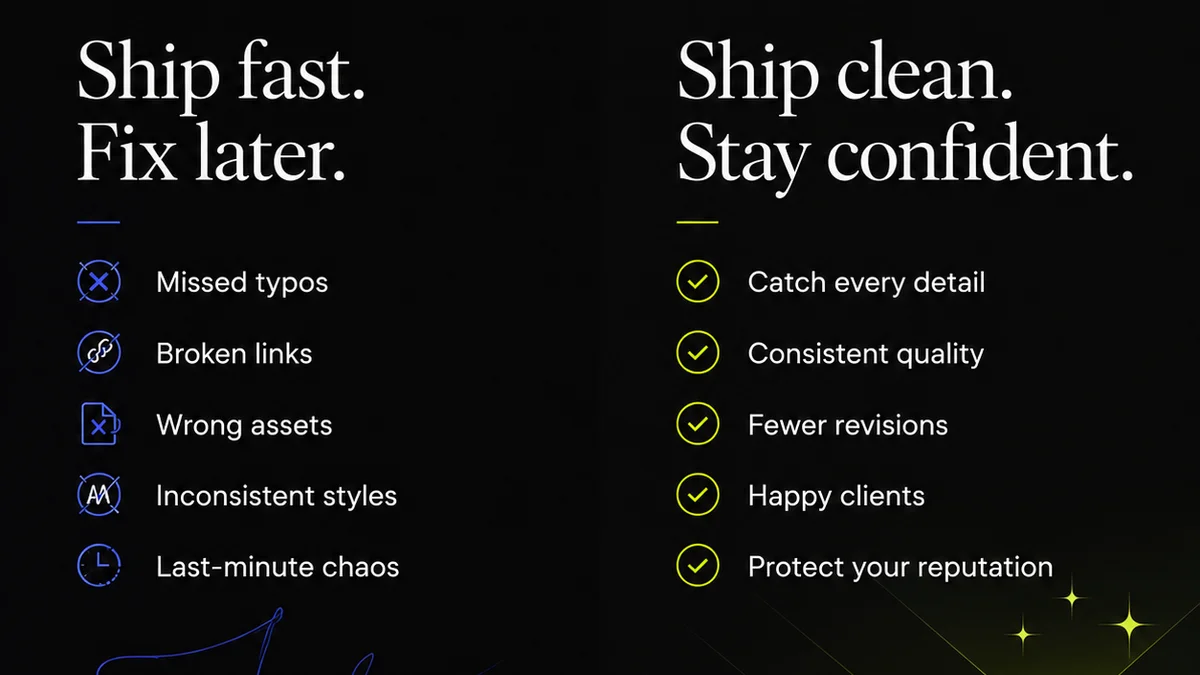
The hard truth is that even the most groundbreaking creative work can fail to deliver ROI if it’s bogged down by inefficient processes. Bottlenecks in your creative workflow don’t just slow things down; they erode profitability, kill team morale, and ultimately sabotage the very impact you’re trying to achieve. True creative ROI hinges on operational excellence as much as creative genius.
1. The Myth of the 'Creative Sprint'
Agencies and in-house teams often romanticize the last-minute push. The all-nighters, the caffeine-fueled frenzy. It feels productive, doesn't it?
This sprint mentality is a symptom of deeper issues, not a solution. It’s a sign that your standard workflow is failing.
When creative work becomes a series of frantic sprints, it’s a clear indicator of bottlenecks elsewhere:
- Unclear briefs leading to rework.
- Delayed client feedback causing ripple effects.
- Inefficient revision cycles drowning your team.
- Poor version control leading to confusion.
- Lack of centralized communication and assets.
These aren't just minor annoyances. They are direct drains on billable hours, increase the risk of errors, and burn out your best talent. The cost of fixing mistakes and redoing work far outweighs the perceived benefit of a 'heroic' save.
The Real Cost of Rework
Rework is the silent killer of creative ROI. Every hour spent redoing something that was already approved (or should have been) is an hour lost on new, revenue-generating work. It’s also an hour lost on strategic thinking, client relationship building, or professional development.
This isn't just about wasted time; it's about wasted opportunity cost. What else could your team have been doing with that time?
2. Identifying Your Workflow Bottlenecks
To eliminate bottlenecks, you first need to see them. Most teams operate in a state of 'organized chaos,' accepting inefficiencies as the cost of doing business. We need to get granular.
Where does work typically pile up? What tasks consistently cause delays? Who is constantly waiting on whom?
Common Bottleneck Zones
Look for these patterns:
- Feedback Loops: Are clients taking too long to respond? Is feedback vague or conflicting? Is there a clear path for feedback to reach the right person?
- Revision Cycles: Is the team spending excessive time making minor tweaks? Are revisions clearly documented and tracked?
- Approvals: Are approvals getting stuck with specific stakeholders? Is there a defined approval process with clear ownership?
- Asset Management: Is time wasted searching for the latest versions of files? Is there a single source of truth for all creative assets?
- Internal Handoffs: Are there delays between design, copy, development, or QA?
These are the points where creative momentum dies. They are the friction points that prevent good ideas from becoming great, delivered work.
The 'Waiting Game'
The most insidious bottleneck is often the 'waiting game.' Your designers are waiting for copy. Your copywriters are waiting for client feedback. Your account managers are waiting for approvals. Everyone is waiting.
This passive waiting is incredibly damaging. It breeds frustration and kills productivity. It’s a clear sign that your process is not optimized for flow.
3. Streamlining the Creative Process
Once you've identified your bottlenecks, it's time to engineer them out. This isn't about adding more tools; it's about refining your methodology.
Sharpen Your Briefs
Garbage in, garbage out. Vague briefs are the root of endless revisions. A solid brief should include:
- Clear objectives and KPIs.
- Target audience definition.
- Key messaging and required elements.
- Deliverables and technical specs.
- Mandatories and constraints.
- Timeline and approval process.
Invest time upfront in getting briefs right. This prevents misinterpretations and sets the project up for success from day one.
Standardize Feedback and Approvals
This is where most creative workflows falter. You need a system, not just a shared inbox.
- Define Feedback Stages: When should feedback be given? Who should give it?
- Centralize Communication: All feedback should live in one place, linked directly to the creative asset.
- Assign Clear Ownership: Who is responsible for consolidating and acting on feedback?
- Set Response Times: Establish clear expectations for how quickly clients and internal stakeholders need to respond.
- Formalize Approvals: Implement a clear sign-off process. No more 'looks good to me' emails that can be easily misinterpreted.
This structured approach ensures that feedback is actionable, approvals are definitive, and no one is left guessing.
Optimize Revision Cycles
Revisions are inevitable. But they don’t have to be chaotic.
- Track Changes: Maintain a clear log of all revisions made, who requested them, and why.
- Version Control: Always know which version is the latest and what was changed from the previous one.
- Limit Rounds: Define the number of revision rounds included in the scope.
- Consolidate Feedback: Collect all feedback for a given round before starting revisions.
Efficient revision management keeps the project moving forward without endless back-and-forth.
4. The Role of Technology in Eliminating Bottlenecks
Tools aren't a magic bullet, but the right ones can be powerful allies in streamlining your creative operations. The goal is to facilitate clarity, accountability, and efficiency.
Think about platforms that enable:
- Centralized Feedback: Tools where stakeholders can comment directly on proofs, designs, or videos.
- Version Control: Systems that automatically track file versions and changes.
- Workflow Automation: Automating task assignments, reminders, and status updates.
- Project Management: A clear overview of tasks, deadlines, and team capacity.
- Asset Libraries: A single source of truth for all approved creative assets.
The objective is to move away from scattered emails, endless spreadsheets, and lost files. You need a system that brings order to creative complexity.
Where Revue Fits In
Revue is built precisely to address these operational challenges that hinder creative ROI. It’s not just another project management tool; it’s a specialized solution for creative workflows.
By centralizing client feedback directly on creative assets, Revue eliminates the ambiguity and lost context that plagues email chains. Revisions are tracked, approvals are clear, and version history is maintained automatically.
This visibility means less time spent chasing down information, fewer misunderstandings, and a dramatically reduced risk of rework. When your team can see exactly what needs to be done and what has been approved, they can focus on execution, not administration.
Revue helps you move from reactive firefighting to proactive, efficient creative delivery. It’s about ensuring that the brilliant ideas your team conceives can actually see the light of day, on time and on budget, maximizing their return.
5. Building a Culture of Efficiency
Technology and process are crucial, but they only go so far. The real shift happens when efficiency becomes part of your agency's DNA.
This means:
- Empowering Your Team: Give your team the autonomy and tools to identify and suggest process improvements.
- Continuous Improvement: Regularly review your workflows. What’s working? What’s not? Be willing to adapt.
- Clear Communication: Foster an environment where asking for clarification or flagging a potential bottleneck is encouraged, not frowned upon.
- Focus on Outcomes: Remind everyone that the goal isn't just to finish the task, but to deliver measurable results that impact the client's business and your agency's bottom line.
When your team understands the 'why' behind efficient processes – that it frees them up for more creative, impactful work and leads to better business outcomes – they become champions of it.
Final Thought
Creative ROI isn't a happy accident. It's the predictable outcome of a well-oiled creative engine. Are you simply hoping for brilliant results, or are you systematically engineering them?
Frequently asked questions
What are the biggest bottlenecks in creative workflows?
Common bottlenecks include unclear briefs, delayed or vague client feedback, inefficient revision cycles, poor version control, and lack of centralized communication and asset management. These issues lead to rework, wasted time, and decreased profitability.
How can I improve client feedback processes?
Standardize feedback by defining stages, centralizing communication on assets, assigning clear ownership for feedback consolidation, and setting response time expectations. Using dedicated tools for feedback can significantly improve clarity and speed.
What is the role of technology in managing creative bottlenecks?
Technology, like specialized creative workflow tools, can centralize feedback, manage version control, automate tasks, improve project visibility, and provide asset libraries. These tools help bring order to complexity and reduce manual administrative overhead.
How does Revue help eliminate creative bottlenecks?
Revue centralizes client feedback directly on creative assets, tracks revisions, clarifies approvals, and maintains version history. This reduces misunderstandings, minimizes rework, and allows teams to focus on execution rather than administrative tasks, thereby improving creative ROI.