Everyone says design collaboration is about clear communication and the right tools. None of that is wrong. But it’s incomplete.
The real truth? Effective design collaboration isn't just about talking or using software. It’s about ruthlessly eliminating the points where your workflow grinds to a halt. These are the bottlenecks. And they’re costing you time, money, and creative energy.
1. The Assumption: More Tools Mean Better Collaboration
The market is flooded with collaboration platforms. Project management software, chat apps, video conferencing, specialized design tools, file-sharing services. Each promises to streamline your process.
But often, this just creates more silos. Information gets scattered. Feedback lands in multiple places. Version control becomes a nightmare.
The deeper truth is that tool sprawl is a major cause of bottlenecks. Each new tool adds a layer of complexity and a potential point of failure.
Too Many Chefs, Too Many Kitchens
Think about it:
- Client feedback is emailed, then Slack messaged, then mentioned in a Zoom call.
- Design assets are stored on a shared drive, then uploaded to a review platform, then sent via WeTransfer.
- Internal team discussions happen in one chat app, while client comms are in another.
This fragmentation forces your team to constantly switch contexts, hunt for information, and reconcile conflicting instructions. It’s exhausting.
The Fix: Consolidate and Integrate
The goal isn't to use every tool available. It’s to use the *right* tools, and make them talk to each other.
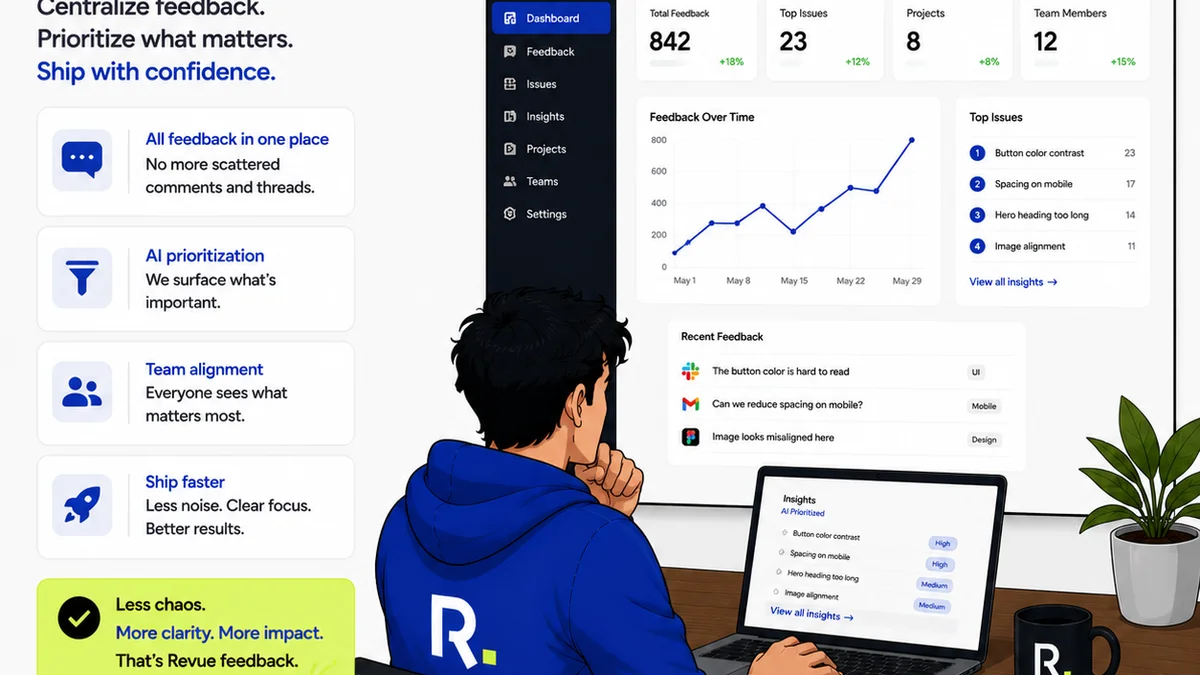
- Centralize feedback: One system for all client comments and internal reviews.
- Integrate workflows: Connect your design tools to your project management or feedback platform.
- Standardize communication: Define clear channels for different types of communication.
This reduces the number of places your team has to look for information, cutting down on wasted time and confusion.
2. The Assumption: Feedback is Always Helpful
Clients and stakeholders often believe their input is a critical part of the design process. And it is. But not all feedback is created equal.
Unstructured, vague, or conflicting feedback is a massive bottleneck. It leads to endless revisions and a loss of creative direction.
The hard truth is that poorly managed feedback loops kill productivity. They create rework and frustration for everyone involved.
The
Frequently asked questions
What are the most common design collaboration bottlenecks?
Common bottlenecks include scattered feedback across multiple channels, unclear communication, slow approval processes, version control issues, and tool sprawl. Addressing these areas is key to a smoother workflow.
How can I get better feedback from clients?
Establish clear feedback guidelines upfront. Use a centralized platform for all comments. Ask clarifying questions to ensure you understand the 'why' behind the feedback. Schedule dedicated feedback sessions rather than relying on ad-hoc comments.
What's the role of technology in solving collaboration bottlenecks?
Technology can be a powerful solution if used strategically. Centralized feedback platforms, integrated project management tools, and clear communication channels reduce friction. The key is consolidation, not simply adding more tools.
How does Revue help with design collaboration bottlenecks?
Revue centralizes client feedback, provides clear revision and approval tracking, and helps maintain version control. This reduces the time spent hunting for comments and reconciling conflicting input, streamlining the entire collaboration process.