Everyone talks about designer burnout. Long hours, unrealistic deadlines, endless revisions. It’s easy to point the finger at the creative team, or blame the tools they use. None of that is wrong. But it’s incomplete.
The hard truth? Design productivity bottlenecks aren't usually about individual output. They're systemic. They live in the processes you've built, or failed to build. They're the hidden friction points that slow everything down.
Let's break down where these bottlenecks hide and how to clear them out.
1. The Feedback Black Hole
This is the classic. A client or stakeholder provides feedback. It gets passed around, misinterpreted, or lost in translation. Then, the designer has to guess what was actually meant. Sound familiar?
Feedback is the lifeblood of creative work, but it’s often the biggest choke point. It's not just about getting feedback; it's about getting *actionable* feedback. And getting it efficiently.
Symptoms of the Feedback Black Hole:
- Endless rounds of vague comments: “Make it pop,” “I don’t like it,” “Change this.”
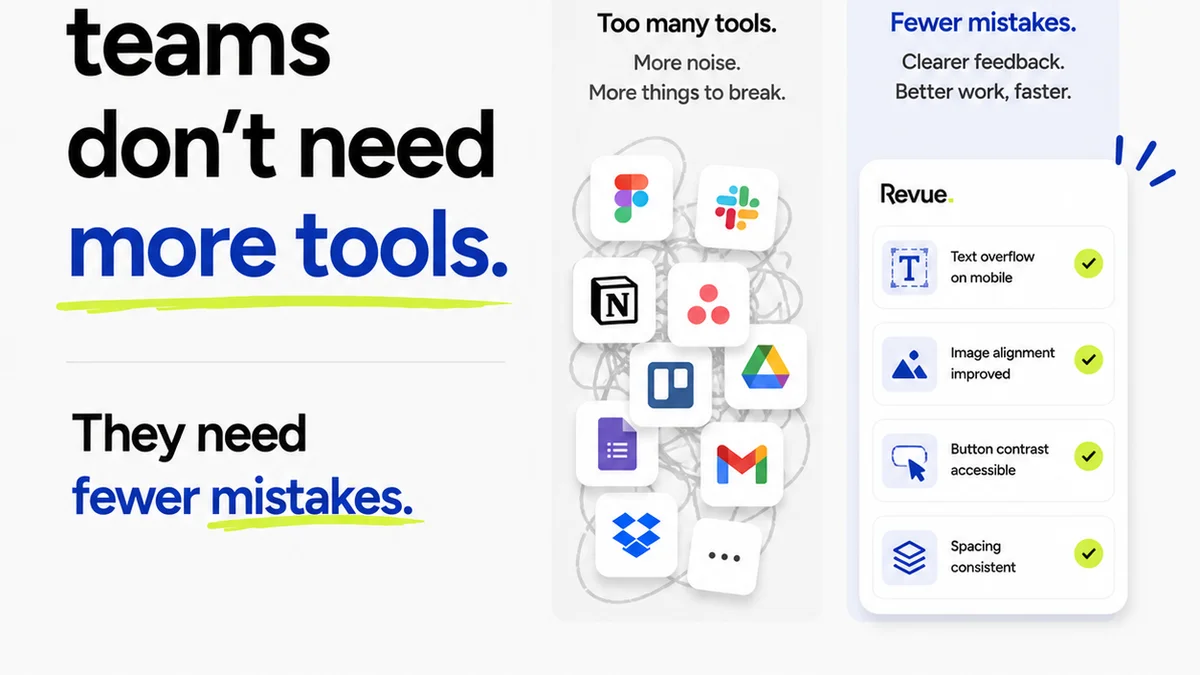
- Feedback delivered verbally, via Slack, email, and carrier pigeon, with no central record.
- Disagreements between stakeholders that never get resolved, leaving the designer in the middle.
- Designers spending more time deciphering feedback than actually designing.
- Missed deadlines because critical feedback arrived too late.
The assumption is that more feedback is better. The reality is that *quality* and *timeliness* of feedback are what matter. Poorly managed feedback isn't helpful; it's harmful.
2. The Revision Rollercoaster
Once feedback is given, the revision process begins. This is where things can really spiral. Without a clear system, revisions become a chaotic back-and-forth.
Each revision cycle eats up valuable time. If you're not tracking changes, understanding the scope, or managing stakeholder expectations, you're building in delays.
Why Revisions Stall:
- Lack of clarity on what’s being revised and why.
- Scope creep: “While you’re in there, can you also…?”
- No clear process for approving revised work before moving to the next stage.
- Designers working on outdated versions because files weren't updated centrally.
- Stakeholders not seeing the latest iteration until it’s too late to make impactful changes without significant rework.
Many teams think revisions are just part of the job. They are. But they shouldn't be an uncontrolled descent into inefficiency.
3. The Approval Abyss
You’ve worked through feedback and revisions. Now, it’s time for final sign-off. This step can often feel like waiting for a ghost.
Approvals shouldn't be a black box. When there's no clear path to sign-off, or no visibility into who needs to approve what, projects stagnate.
Signs of an Approval Abyss:
- Waiting days or weeks for a final “yes” or “no.”
- Multiple people needing to approve, but no one knowing who’s turn it is.
- Last-minute changes requested *after* final approval.
- No audit trail of who approved what and when.
- Confusion over who has the ultimate authority to sign off.
The assumption is that once the creative work is done, approval is a formality. It’s not. It’s a critical gate that needs its own streamlined process.
4. The Quality Control Quagmire
Even after approval, creative work can hit snags. Missing assets, incorrect specifications, or work that doesn't quite meet brand guidelines. This is the quality control quagmire.
This isn't just about catching typos. It's about ensuring the final deliverable is technically sound, on-brand, and ready for its intended use. Skipping or rushing this step leads to costly fixes later.
Where Quality Control Fails:
- No formal checklist or process for reviewing final assets.
- Designers handing off work without verifying specs (e.g., color profiles, bleed, resolution).
- Marketing teams receiving assets that don’t match campaign requirements.
- Developers building with incorrect design specifications.
- Brand inconsistencies creeping into final outputs.
The belief might be that the designer should just *know* all this. But in a busy agency, details get missed. A formal QC process is a safety net, not a sign of distrust.
5. The Communication Chasm
Underlying all these issues is often a fundamental communication problem. Misunderstandings, lack of transparency, and siloed conversations kill productivity faster than almost anything else.
When information isn't shared effectively, or when teams operate in separate communication channels, everyone wastes time trying to catch up or correct errors.
Symptoms of a Communication Chasm:
- Team members working on the same task without knowing it.
- Key project details being known by only one or two people.
- Frequent
Frequently asked questions
What are common bottlenecks in design productivity?
Common bottlenecks include the feedback process (vague or delayed comments), the revision cycle (scope creep, lack of clarity), the approval stage (delays, lack of visibility), quality control (missed specs, brand inconsistencies), and communication breakdowns between team members and stakeholders.
How can I improve design feedback quality?
Improve feedback by providing clear guidelines to stakeholders, using a centralized platform for comments, requesting specific and actionable feedback, and ensuring feedback is consolidated from all parties before being sent to the designer.
What is the best way to manage design revisions?
Manage revisions by clearly defining the scope of each revision round, establishing a clear approval process for revised work, using version control, and maintaining a single source of truth for the latest design iteration.
How can technology help eliminate design bottlenecks?
Technology, like centralized feedback and proofing tools, can significantly help by creating a single source of truth for all communication and assets, automating approval workflows, providing version history, and offering clear audit trails, reducing manual errors and delays.