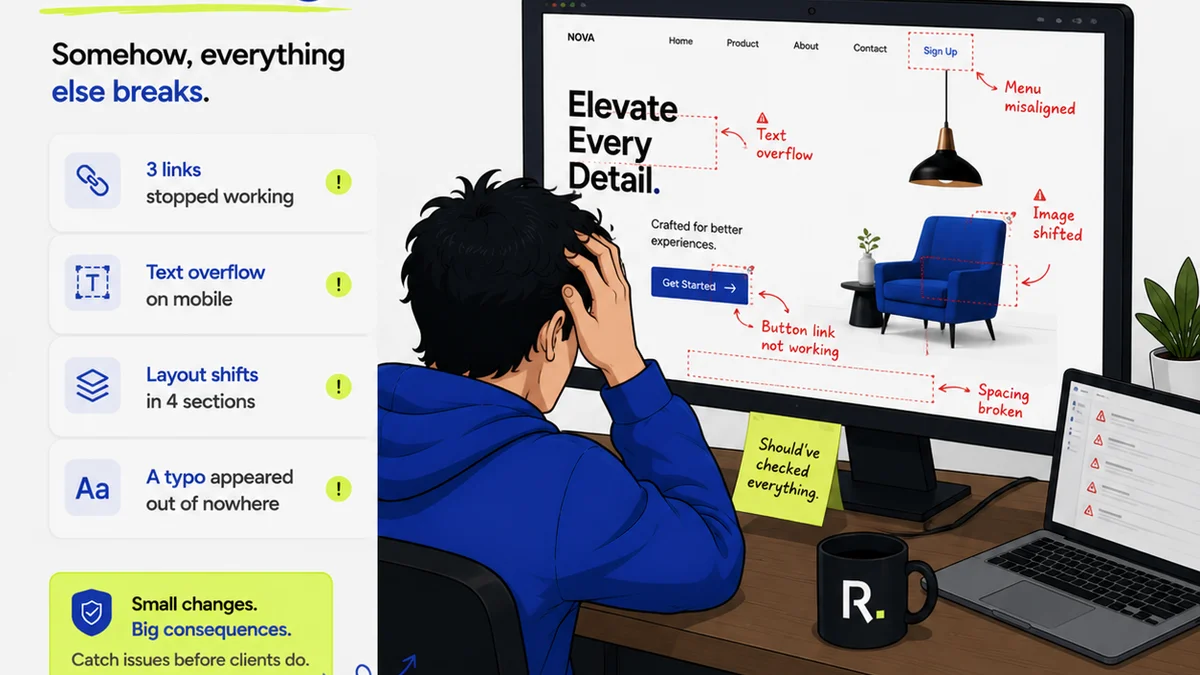
Everyone assumes an enterprise brand review workflow is about following a checklist. Make sure the logo is right. Check the hex codes. Confirm the tagline is present. None of that is wrong. But it’s incomplete.
The hard truth is that a robust brand review workflow is less about compliance and more about communication, context, and control. It’s the operational backbone that ensures consistency across a sprawling organization, not just a final sign-off step.
1. The Illusion of Centralized Control
Many enterprises believe that having a brand guideline document is enough. They publish it, share it widely, and assume everyone adheres to it. This is a dangerous assumption.
The reality is that in large organizations, information gets diluted. New hires don’t get the full onboarding. Remote teams work in silos. Projects move fast, and the brand guidelines become an afterthought, buried under urgent deadlines.
The Symptoms of Decentralized Execution
- Inconsistent logo usage across different departments and regions.
- Varying color palettes and typography appearing in marketing materials.
- Taglines and messaging that deviate from the core brand voice.
- A general feeling of brand fragmentation, even within the same company.
- Legal and compliance teams constantly chasing down rogue assets.
These aren't isolated incidents; they are systemic failures of workflow.
2. Defining the True Scope of a Brand Review
A brand review workflow needs to encompass more than just the visual elements. It must consider the entire brand experience, from initial concept to final delivery.
This means integrating brand checks at multiple stages of the creative process, not just at the end.
Key Areas for Integrated Review
- Strategic Alignment: Does the creative concept align with current brand strategy and business objectives?
- Messaging & Tone: Is the copy on-brand in terms of voice, tone, and accuracy?
- Visual Identity: Are logos, colors, typography, and imagery used correctly according to guidelines?
- User Experience (UX): Does the digital interface reflect the brand’s personality and values?
- Legal & Compliance: Are there any trademark, copyright, or regulatory issues?
- Accessibility: Does the design meet accessibility standards for all users? WCAG guidelines are crucial here.
Each of these requires a different kind of expertise and a different set of checks.
3. Building a Scalable Review Process
For enterprise teams, scalability is paramount. A process that works for a small team will buckle under the weight of a large, multi-departmental organization.
This requires a systematic approach to feedback and approval, moving beyond endless email chains and scattered spreadsheets.
The Pitfalls of Traditional Feedback Loops
- Email Overload: Feedback gets lost, buried, or misinterpreted.
- Version Control Chaos: Multiple versions of a file circulate, leading to confusion.
- Subjective Approvals: Decisions are based on personal preference rather than objective criteria.
- Lack of Transparency: Stakeholders don’t know the status of a review or who is responsible.
- Delayed Timelines: Bottlenecks form around key decision-makers or reviewers.
These inefficiencies directly impact project timelines and the quality of the final output.
4. The Power of Centralized Feedback and Revision Tracking
This is where the operational reality diverges sharply from the common assumption. A truly effective enterprise brand review workflow isn't just about checking boxes; it's about creating a single source of truth for all creative feedback and revisions.
It’s about bringing all stakeholders into a unified system where context is preserved and progress is visible.
Components of a Centralized System
- Single Source of Truth: All project assets and feedback reside in one accessible location.
- Contextual Annotations: Feedback is tied directly to the specific element it addresses on the creative asset.
- Revision History: Every change, comment, and approval is logged, creating an audit trail.
- Clear Roles and Permissions: Defining who can provide feedback, who can approve, and who is responsible for action.
- Automated Notifications: Keeping stakeholders informed of pending reviews, new feedback, and status changes.
This level of operational control prevents miscommunication and ensures that everyone is working from the same, most up-to-date information.
5. Integrating Quality Assurance (QA) into Brand Reviews
Brand consistency is a form of quality. But QA in an enterprise context needs to be more than just a final bug hunt.
It should be a proactive measure that catches brand deviations *before* they go live.
QA Checks for Brand Integrity
- Brand Guideline Adherence: A systematic check against established visual and verbal identity rules.
- Asset Verification: Ensuring correct file formats, resolutions, and naming conventions are used.
- Cross-Platform Consistency: Verifying that the brand appears consistent across web, mobile, print, and other channels.
- Legal Clearance: Final check for any potential legal or compliance infringements.
- Accessibility Compliance: Confirming that digital assets meet accessibility standards.
This integrated QA process acts as a final gatekeeper, safeguarding the brand’s integrity.
6. Where Revue Fits In
Managing an enterprise brand review workflow can feel like herding cats. Emails get lost, feedback is scattered across Slack channels and shared drives, and tracking revisions becomes a nightmare. That’s where a tool like Revue can make a difference.
Revue is built to centralize client and stakeholder feedback on creative work. Instead of relying on disparate communication channels, you can bring all comments, annotations, and approvals into one place.
This means:
- Unified Feedback: All stakeholders provide feedback directly on the creative asset within Revue. No more digging through email threads.
- Clear Revision Trails: See exactly who requested what change, when it was made, and who approved it. This provides crucial visibility and accountability.
- Streamlined Approvals: Move from feedback to final sign-off efficiently, with clear approval statuses visible to everyone.
- Quality Control: Use the centralized record to ensure all feedback has been addressed and the final asset meets brand standards before launch.
By providing a single, organized platform, Revue helps enterprise teams move beyond the chaos of fragmented communication and establish a more controlled, efficient, and effective brand review process.
7. Final Thought
Is your enterprise brand review workflow truly about brand protection, or is it just a series of bureaucratic hurdles? The operational difference is significant, impacting everything from brand perception to project velocity. It’s time to look past the checklist and build a system that fosters genuine consistency and control.
Frequently asked questions
What is the primary goal of an enterprise brand review workflow?
The primary goal is to ensure brand consistency and adherence to brand guidelines across all creative outputs within a large organization. This goes beyond simple compliance to encompass effective communication, context preservation, and operational control throughout the creative process.
How does a centralized feedback system benefit enterprise teams?
A centralized system consolidates all feedback and revisions in one place, preventing miscommunication, version control issues, and lost comments. It provides transparency, accountability, and a clear audit trail, streamlining the approval process and reducing project delays.
What are the key components of an effective brand review workflow?
Key components include strategic alignment checks, messaging and tone verification, visual identity adherence, UX and accessibility considerations, and legal/compliance reviews. A robust workflow integrates these checks at multiple stages, not just at the end, and utilizes a centralized platform for feedback and approvals.
How can QA be integrated into a brand review workflow?
QA should be integrated proactively by systematically checking for brand guideline adherence, correct asset usage, cross-platform consistency, legal clearance, and accessibility compliance. This ensures brand integrity is maintained before creative assets are released.