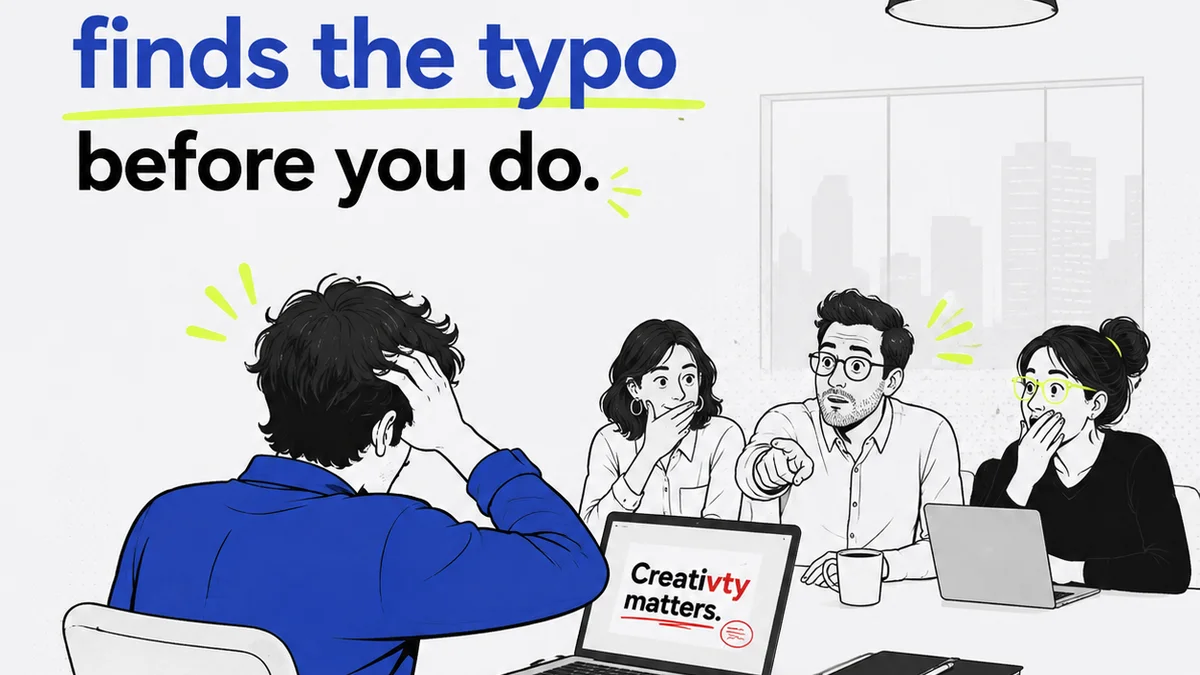
Everyone assumes that enforcing brand standards at scale means more rules, more gatekeepers, and more layers of approval. That more templates, more guidelines, and more oversight will magically make everyone fall in line.
None of that is wrong. But it’s incomplete.
The hard truth is that rigid, top-down enforcement often crushes creativity and slows down production. It creates bottlenecks and breeds resentment. For enterprise teams, the real challenge isn't just *what* the standards are, but *how* they're integrated into the daily workflow without becoming a bureaucratic nightmare.
1. The Illusion of the Brand Police
Most enterprises think brand consistency is about catching offenders. They imagine a team of brand police, scrutinizing every deliverable, issuing tickets for logo misuse or incorrect color palettes. This approach is fundamentally reactive and, frankly, exhausting.
It assumes that the problem is individual error, rather than systemic workflow issues. It creates a culture of fear, not collaboration.
The result? Teams start to see brand guidelines as obstacles, not enablers. They'll cut corners, use workarounds, and eventually, the brand starts to fray at the edges anyway. This is especially true in fast-paced environments where speed is critical.
The Symptoms of a Broken System
- Endless rounds of feedback focused solely on minor brand compliance issues, delaying actual project progress.
- Creative teams feeling stifled, producing generic work that adheres strictly to rules but lacks innovation.
- Marketing and design teams operating in silos, with little understanding of each other’s constraints or goals.
- A growing backlog of assets that technically meet guidelines but don't resonate with the target audience.
- Constant requests for exceptions, leading to a de facto erosion of the standards themselves.
2. Shifting from Control to Enablement
The most successful enterprise teams don't police; they enable. They build systems that make it easy and intuitive for everyone to do the right thing, the first time.
This means moving beyond static PDFs and into dynamic, integrated tools. It's about embedding brand intelligence directly into the creative process.
Think of it like this: instead of telling someone how to bake a cake, you give them a pre-measured, perfectly organized baking kit. They still have room to express themselves, but the foundational elements are guaranteed.
Building an Enablement Framework
- Smart Templates: Design templates that automatically enforce correct fonts, colors, and layouts. When a user selects a template, the brand guardrails are already in place.
- Digital Asset Management (DAM): A centralized, searchable repository for all approved brand assets (logos, images, fonts, icons, approved copy snippets). This ensures everyone uses the latest, correct versions.
- Brand Style Guides as Living Documents: Moving away from static PDFs to interactive, searchable online guides. These can include dynamic elements, examples, and even interactive tools.
- Automated Checks: Implementing tools that can automatically scan for common brand violations (e.g., incorrect logo usage, wrong color codes) before final output.
3. The Role of Technology in Scalable Brand Governance
Technology isn't a silver bullet, but it's the essential lubricant for scaling brand standards without friction. Manual processes simply don't hold up under pressure.
Consider the sheer volume of content produced by a large enterprise. Marketing collateral, social media posts, internal communications, sales presentations, website updates – each needs to align with the brand.
Trying to manage this with spreadsheets and email chains is a recipe for disaster. It's inefficient, error-prone, and impossible to track.
Key Technological Integrations
- Centralized Feedback Platforms: Tools that consolidate all client and stakeholder feedback in one place, reducing miscommunication and ensuring all brand-related comments are captured and addressed.
- Version Control and Audit Trails: Systems that automatically track changes, approvals, and who did what, when. This provides accountability and clarity.
- Integration with Design Tools: Plugins or integrations that bring brand assets and templates directly into the tools designers use daily (e.g., Adobe Creative Suite, Figma).
- AI-Powered Assistance: Emerging tools that can offer real-time suggestions for copy or design elements to ensure brand alignment.
4. Empowering Your Teams, Not Just Restricting Them
The most effective brand governance empowers creative teams to be brand stewards, not just executors.
This means fostering a culture where understanding the 'why' behind the brand is as important as knowing the 'what'. Educate teams on the brand strategy, the target audience, and the desired emotional connection.
When teams understand the strategic intent, they can make better creative decisions, even within defined boundaries. They become proactive partners in maintaining brand integrity.
Strategies for Empowerment
- Cross-functional Training: Educate marketing, sales, and even product teams on brand principles and their role in upholding them.
- Feedback Loops for Guidelines: Create channels for teams to suggest improvements or clarifications to the brand guidelines based on their real-world experience.
- Recognize Brand Champions: Highlight individuals or teams who consistently uphold and champion the brand effectively.
- Focus on Core Principles: Emphasize the overarching brand values and personality, allowing for flexibility in execution while maintaining consistency in spirit.
5. Where Revue Fits In
Managing feedback and approvals for creative work, especially at scale, is where brand standards can easily break down. A single misplaced comment, a missed revision, or an unapproved asset can derail months of work and dilute brand messaging.
Revue acts as the central nervous system for creative review and approval. It ensures that every piece of feedback is seen, every revision is tracked, and every approval is documented.
This isn't just about organizing comments; it's about creating a transparent, auditable process that inherently supports brand governance.
- Centralized Feedback: All stakeholders provide feedback in one place, directly on the creative asset. This eliminates fragmented email chains and ensures brand-specific comments aren't lost.
- Clear Revision History: Track every iteration of a design, with clear annotations and approval statuses. This provides an audit trail and ensures that only approved versions move forward.
- Streamlined Approvals: Define clear approval workflows so that brand managers or relevant stakeholders are always in the loop, preventing unapproved assets from going live.
- Quality Control Checkpoints: Use the structured review process to build in specific checks for brand compliance, alongside functional and aesthetic feedback.
By centralizing this critical stage of the creative lifecycle, Revue helps ensure that brand standards are not just documented, but actively and consistently applied throughout the production process.
Final Thought
Scaling brand standards isn't about building higher walls. It's about building better bridges—bridges that connect strategy to execution, creativity to consistency, and teams to a shared vision. How are you enabling your teams to be brand builders, not just brand followers?
Frequently asked questions
What's the biggest mistake companies make when trying to enforce brand standards at scale?
The biggest mistake is focusing solely on rigid rules and top-down control, rather than building systems that enable teams to easily adhere to standards. This often leads to bottlenecks, stifled creativity, and eventual brand dilution.
How can technology help enforce brand standards in a large enterprise?
Technology, such as Digital Asset Management (DAM) systems, smart templates, and centralized feedback platforms, embeds brand intelligence directly into workflows. This automates compliance, ensures the use of correct assets, and streamlines the review process.
What is the difference between brand control and brand enablement?
Brand control is reactive and focuses on policing; it's about catching mistakes. Brand enablement is proactive and focuses on making it easy for teams to get it right the first time, by providing the right tools, templates, and clear guidance within their daily workflow.
How can creative teams be empowered to maintain brand standards?
Empowerment comes from educating teams on the 'why' behind the brand strategy, involving them in guideline feedback, and providing them with the tools and resources to easily implement standards. When teams understand the strategic intent, they become proactive brand stewards.