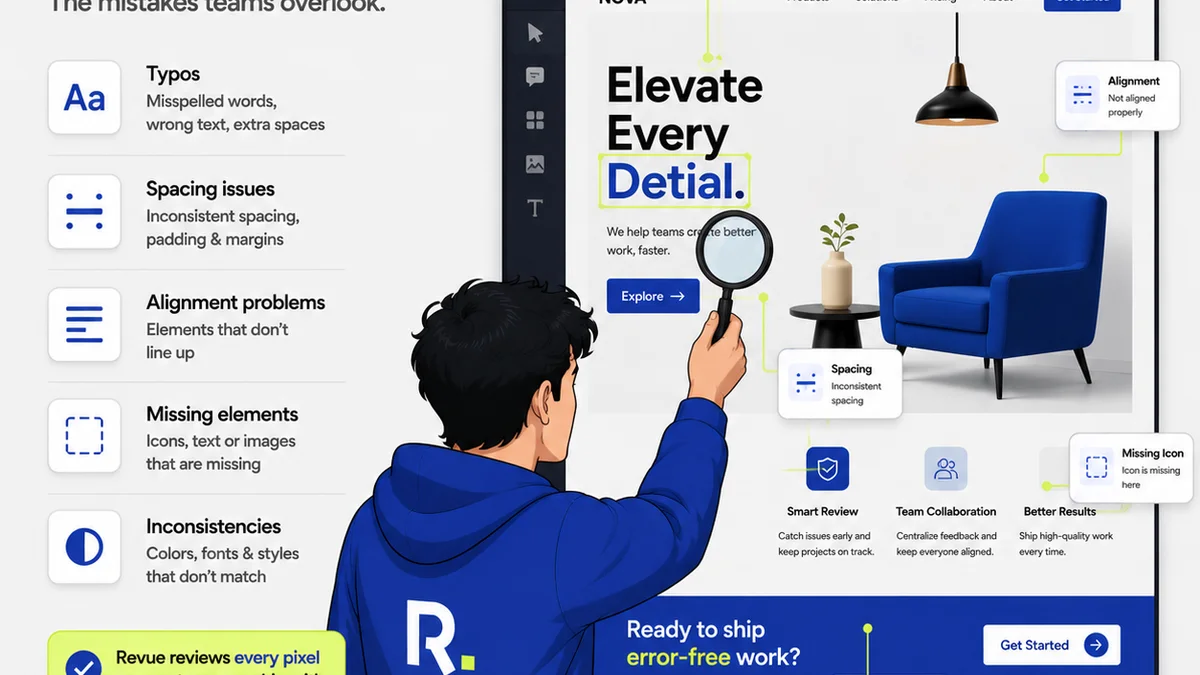
Everyone thinks enterprise branding is about groundbreaking creative. About the big idea that changes everything. About a pitch so compelling it lands the 7-figure retainer.
None of that is wrong. But it’s incomplete.
The real work, the stuff that makes enterprise branding stick, happens long after the contract is signed. It’s in the relentless, often unglamorous, operational rigor that most agencies overlook.
The hard truth? Enterprise branding success isn’t a creative sprint; it’s a marathon built on process, communication, and an almost fanatical attention to detail.
1. Beyond the Brief: Unearthing the Enterprise DNA
Agencies often treat the initial brief as the final word. For enterprise clients, it’s just the first sentence.
The real magic starts when you push past the stated needs and dive deep into the client’s operational reality. This means understanding:
- The company’s historical context – where have they been?
- Their competitive landscape – who are they fighting against?
- Internal stakeholder politics – who holds the real power?
- The long-term business objectives – what does success *actually* look like in 3-5 years?
This isn’t just about asking good questions; it’s about active listening and synthesizing complex information into a cohesive strategic foundation. You’re not just building a brand; you’re embedding it into the client’s very being.
The Stakeholder Maze
Enterprise clients aren’t monolithic. They have departments, divisions, and a legion of stakeholders, each with their own priorities and perspectives.
A successful agency maps this out early. They identify:
- Key decision-makers
- Influencers
- Potential roadblocks
- Champions who can advocate internally
This stakeholder map informs your communication strategy. It dictates who needs to see what, when, and how.
Ignoring this is a fast track to project delays and misaligned expectations.
2. Building the Operating System for Brand Consistency
A brand is only as strong as its consistency. For enterprises, this means scaling that consistency across countless touchpoints, teams, and geographies.
This requires more than just a style guide. It requires an operational system.
Think of it as building the brand’s operating system:
- Centralized Asset Management: Where do logos, templates, and guidelines live? How is access controlled?
- Workflow Automation: How are new assets requested, created, and approved?
- Training & Onboarding: How do new employees and external partners learn the brand standards?
- Governance & Enforcement: Who is responsible for ensuring adherence? What happens when it breaks down?
This isn’t glamorous work, but it’s the bedrock of a lasting enterprise brand.
The Scalability Challenge
A beautiful logo is easy. Ensuring that logo is used correctly on a factory floor in Germany, a sales deck in New York, and a social media post in Singapore? That’s the enterprise challenge.
It demands:
- Clear, accessible documentation
- Robust digital asset management (DAM) systems
- Regular audits and feedback loops
Without this infrastructure, brand dilution is inevitable.
3. The Feedback Loop: From Noise to Signal
Client feedback is crucial. For enterprise clients, it can also be a cacophony.
Different departments, multiple levels of review, and often conflicting opinions can derail even the best projects.
The best agencies transform this chaos into actionable insights.
How? By establishing clear, structured feedback processes:
- Designated Reviewers: Who is *officially* responsible for providing feedback at each stage?
- Defined Timelines: When is feedback due? What happens if it’s late?
- Consolidated Feedback: All comments are gathered in one place, preventing contradictory directives.
- Clarification Protocols: How will ambiguous feedback be resolved?
This isn’t about silencing opinions; it’s about channeling them productively.
Navigating Internal Politics
Sometimes, feedback isn't about the design itself. It's about internal power plays or a misunderstanding of the brief.
An experienced agency can:
- Identify the root cause of feedback.
- Facilitate discussions between conflicting stakeholders.
- Gently steer conversations back to strategic objectives.
This requires diplomacy, strategic thinking, and a deep understanding of the client’s organizational dynamics.
4. The Proof of the Pudding: Measuring Brand Impact
Enterprise branding initiatives need to demonstrate ROI. This means moving beyond vanity metrics.
Success isn’t just about a pretty new logo; it’s about measurable business outcomes.
Agencies that excel track:
- Brand Awareness: How has recognition shifted?
- Market Perception: How do customers and competitors view the brand?
- Employee Engagement: Does the brand resonate internally?
- Lead Generation/Sales: Is the brand contributing to the bottom line?
This requires collaboration with the client’s marketing, sales, and research teams.
Data, Not Just Opinions
Gut feelings have their place, but enterprise decisions are increasingly data-driven.
The agency’s role is to:
- Help define the right Key Performance Indicators (KPIs).
- Establish baseline metrics before the rebrand.
- Track progress against those metrics post-launch.
- Provide reports that clearly articulate the brand’s business impact.
This data-driven approach justifies the investment and builds trust for future initiatives.
Where Revue Fits In
Managing enterprise branding projects means juggling countless moving parts. Feedback streams from dozens of people, revisions pile up, and ensuring everyone is working from the latest approved version can feel like herding cats.
This is where a centralized platform becomes non-negotiable.
Revue helps agencies:
- Centralize Client Feedback: All comments, annotations, and approvals live in one place, linked to the specific creative asset. No more sifting through endless email chains or Slack threads.
- Streamline Revisions & Approvals: Track the entire revision history. See who approved what, when. Ensure clear sign-off before moving to the next stage.
- Maintain Quality Control: Easily reference previous versions and feedback to ensure the final output meets all requirements and hasn't drifted off course.
It brings order to the chaos, ensuring your team and the client are always aligned, focused on delivering a cohesive, impactful brand.
Final Thought
Enterprise branding isn't just about creating a look and feel. It's about building a robust system that allows that brand to live, breathe, and evolve consistently within a complex organization. Are you building a brand, or just a pretty picture?
Frequently asked questions
What's the biggest mistake agencies make with enterprise branding?
Focusing too much on the initial creative concept and underestimating the operational complexity of scaling brand consistency across a large organization. They treat it like a campaign, not an ongoing system.
How can agencies manage feedback from multiple enterprise stakeholders?
By establishing clear feedback protocols: designating official reviewers, setting firm deadlines, consolidating all comments in one place, and having a process for clarifying conflicting input. It’s about structured communication, not just collecting opinions.
What does 'brand operating system' mean in this context?
It refers to the systems and processes an agency puts in place to ensure brand consistency at scale. This includes centralized asset management, automated workflows, clear governance, and robust training for client teams.
How do agencies prove the ROI of enterprise branding?
By moving beyond subjective measures and tracking concrete business KPIs like brand awareness, market perception, employee engagement, and ultimately, lead generation or sales impact. This requires data and collaboration with client teams.