Everyone talks about brand consistency. It’s the holy grail for enterprise marketing and design teams. You need to sound and look the same, everywhere, all the time. That’s the assumption. And it’s not wrong.
But it’s incomplete. Focusing solely on the *what* of brand guidelines—the colors, the fonts, the logos—misses the operational reality of how large teams actually *produce* branded work. The hard truth is that enterprise branding isn't about static rules; it's about dynamic systems that enable consistent execution at scale.
1. The Myth of the Perfect Brand Book
You’ve seen them. The hefty PDFs, the elaborate microsites. They’re beautiful, comprehensive, and often, utterly ignored.
Why? Because they treat brand as a final destination, not a living process. They assume everyone *wants* to meticulously follow every rule. In reality, deadlines loom. Teams are stretched. The path of least resistance often leads away from the approved Pantone color.
The Real Problem: Friction, Not Ignorance
It’s not that your team doesn’t know the rules. It’s that:
- Finding the right asset takes too long.
- Applying guidelines is cumbersome within existing tools.
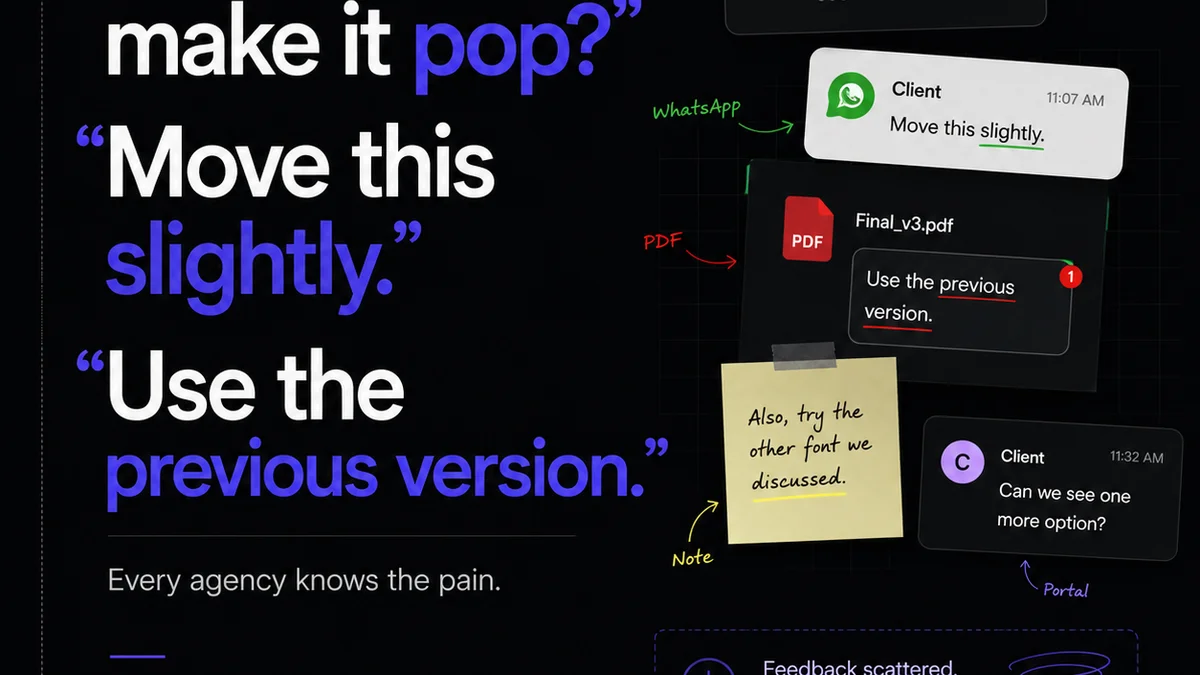
- Feedback loops on brand application are slow and unclear.
- There’s no easy way to check if work is on-brand *before* it goes live.
This friction breeds inconsistency faster than any lack of knowledge.
2. Building a Brand System, Not Just Guidelines
A true brand system acknowledges that creative work is a process. It’s built to reduce friction at every stage.
Think of it less like a diktat and more like an operating system for your brand.
Core Components of an Enterprise Brand System
What does this look like in practice?
- Centralized Asset Hub: One source of truth for all approved logos, templates, imagery, and copy. Accessible, searchable, and version-controlled.
- Integrated Workflows: Brand checks and approvals built *into* the creative process, not tacked on at the end.
- Dynamic Templates: Pre-approved layouts and elements that guide users toward on-brand outputs, with limited room for error.
- Clear Feedback Channels: A structured way to provide and receive feedback specifically on brand compliance.
- Automated Governance: Tools that can scan work for common brand violations before it’s finalized.
This is about making the *right* choice the *easy* choice.
3. The Technology Stack for Brand at Scale
You can’t build a robust brand system with spreadsheets and shared drives alone. You need specialized tools.
Many companies try to cobble together solutions. They use a DAM for assets, email for feedback, and project management tools for tracking. It’s inefficient and prone to errors.
Key Technology Pillars
- Digital Asset Management (DAM): Essential for storing, organizing, and distributing brand assets. Look for robust metadata, search, and user permission capabilities.
- Brand Management Platforms: Tools specifically designed to host guidelines, manage assets, and often, provide templating and compliance features.
- Creative Workflow/Review Tools: Platforms that streamline feedback, revisions, and approvals directly on creative assets. This is crucial for managing the back-and-forth.
- Project Management Software: To manage the overall production process, ensuring brand tasks are integrated and tracked.
The goal is integration. These tools should talk to each other, creating a seamless flow from concept to final output.
4. Operationalizing Brand Compliance
Compliance isn’t a department; it’s a practice. It needs to be embedded in daily operations.
This means empowering creators and reviewers alike.
Empowering Your Team
- Training: Regular, practical training sessions on brand guidelines and how to use the brand system tools.
- Onboarding: Ensure new hires understand the brand system from day one.
- Feedback Culture: Foster a culture where constructive feedback on brand is welcomed and acted upon.
- Clear Roles & Responsibilities: Define who is responsible for what aspect of brand governance.
This isn't about policing; it's about enabling everyone to be a brand steward.
5. Where Revue Fits In
The enterprise brand system needs a central nervous system for creative collaboration. That’s where tools like Revue come in.
When you’re managing complex creative projects with multiple stakeholders, keeping brand integrity front and center is a constant challenge.
Streamlining Brand Oversight
Revue provides a structured environment for:
- Centralized Feedback: Consolidate all client and stakeholder comments on creative work in one place. No more hunting through emails or Slack threads for brand-related feedback.
- Revision Visibility: Track every iteration of a creative piece, understanding the context behind each change. This helps ensure brand decisions are deliberate.
- Approval Tracking: Maintain a clear, auditable trail of who approved what, and when. This is vital for brand governance and accountability.
- Quality Checks: Integrate brand compliance as a specific step in your review process, ensuring that final outputs meet established standards before release.
By embedding brand review within the production workflow, you reduce the chances of off-brand elements slipping through.
6. The Future of Enterprise Branding
The landscape is always shifting. New channels, new formats, new consumer expectations.
Your brand system needs to be agile enough to adapt.
This means investing in flexible technology and fostering a culture of continuous improvement.
Key Trends to Watch
- AI in Brand Management: Tools that can automate brand checks, suggest copy improvements, or even generate on-brand variations.
- Personalization at Scale: Delivering on-brand experiences that are also highly personalized to individual customers.
- Interactive Content: Brands engaging audiences through dynamic, interactive experiences that still adhere to core brand principles.
The goal remains the same: consistent, compelling brand experiences. The methods will evolve.
Final Thought
Building a truly consistent enterprise brand isn’t about having the strictest rules. It’s about designing the most effective system for creative teams to produce great work, consistently.
Are you building a brand book, or a brand engine?
Frequently asked questions
What's the difference between brand guidelines and a brand system?
Brand guidelines are static documents outlining rules (colors, fonts). A brand system is a dynamic, integrated set of tools, processes, and assets designed to enable consistent brand execution at scale, reducing friction for creative teams.
How can I ensure my distributed team stays on-brand?
Implement a centralized asset hub, use integrated review and approval tools, provide dynamic templates, and foster a culture of brand stewardship through clear training and feedback.
Is a DAM system enough for enterprise brand management?
A DAM is crucial for asset management but usually insufficient on its own. You need to integrate it with workflow tools, brand management platforms, and potentially compliance software to create a comprehensive brand system.
How often should brand guidelines be updated?
Brand guidelines should be part of a living brand system. Updates should occur as needed based on market changes, strategic shifts, or new creative explorations, but the underlying system should be robust enough to handle evolution gracefully.