Most enterprise marketing leaders believe that to scale their brand presence, especially to maintain consistency across a growing organization, they need to hire more people. More designers. More brand managers. More strategists.
It’s a logical thought. More hands on deck mean more capacity. More specialized roles mean deeper expertise.
None of that is wrong. But it’s incomplete.
The hard truth is that scaling enterprise branding effectively, especially without simply throwing headcount at the problem, isn’t about adding more people. It’s about building and enforcing smarter, more robust processes that empower the people you already have.
1. The Illusion of Control: Why More People Don't Equal Better Brand Consistency
Think about it. When a brand expands, especially within a large enterprise, it’s usually not a single, monolithic entity. It’s a constellation of departments, regions, product lines, and sub-brands. Each of these often develops its own interpretation of the master brand guidelines.
This isn't malicious. It's organic. People are trying to do their jobs, meet local market needs, or simply put their own stamp on things. The result? Brand dilution. Inconsistent messaging. Off-brand visuals.
Hiring more brand police doesn’t solve this. It just creates a bigger, slower bureaucracy. You end up with more people chasing down inconsistencies, often in a reactive, firefighting mode. The core problem—a lack of systemic control—remains.
The Bottleneck of Manual Oversight
Manual reviews and approvals are the enemy of scale. As your brand touchpoints multiply, the sheer volume of assets needing review becomes overwhelming. Even with a larger team, the process bogs down.
- Brand assets are scattered across drives and cloud storage.
- Guidelines are buried in PDFs that nobody reads.
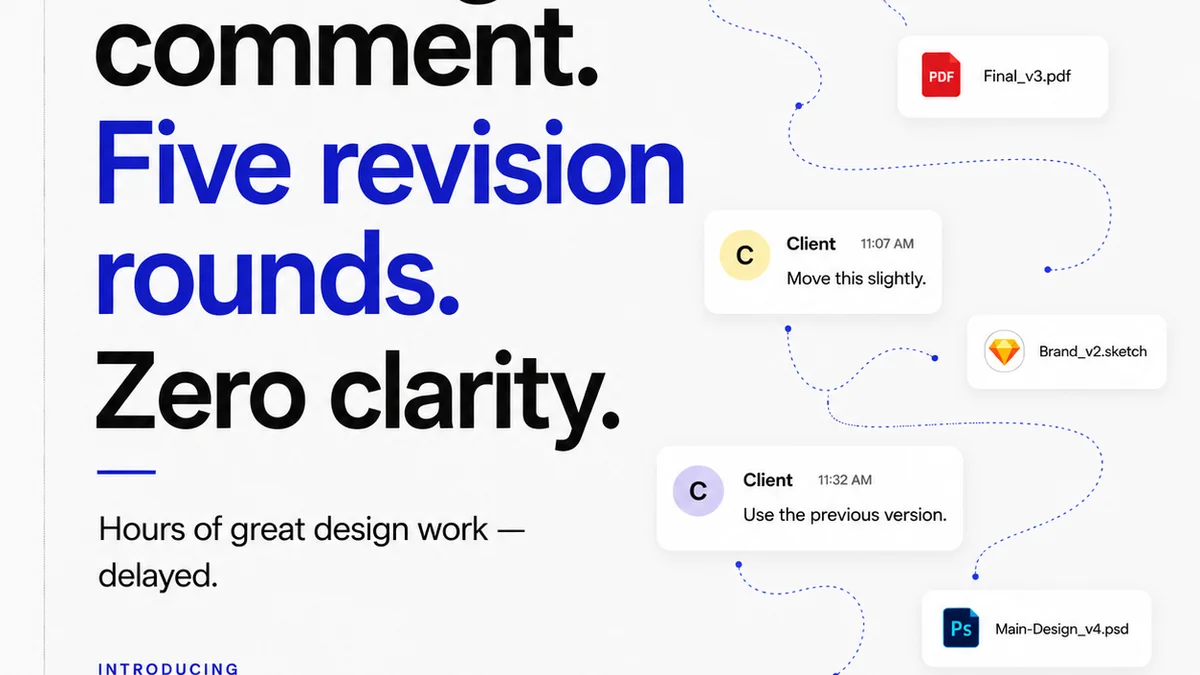
- Feedback is siloed in email threads and Slack channels.
- Revisions lead to confusion about the latest approved version.
This creates a constant struggle to maintain a unified brand voice and visual identity. You’re always one step behind, trying to catch errors after they’ve already been created.
2. Process Over People: Building a Scalable Brand Framework
The real solution lies in shifting from a people-centric oversight model to a process-centric one. This means building systems that inherently enforce brand standards, making it easier for everyone to get it right the first time.
It’s about creating guardrails that guide your teams and partners, rather than relying on a select few to catch every deviation.
Standardize Everything Possible
What can you standardize? A lot more than you think.
- Templates: Create robust, easy-to-use templates for all common collateral—presentations, social media posts, internal reports, even email signatures. These should have brand elements locked down.
- Asset Libraries: Centralize all approved brand assets—logos, fonts, imagery, icons, color palettes. Make them easily searchable and accessible.
- Tone of Voice Guidelines: Go beyond just listing adjectives. Provide clear examples of what to say and, crucially, what *not* to say. Offer pre-approved copy snippets for common scenarios.
- Visual Identity Systems: Document your visual language thoroughly, but make it actionable. Show how elements work together, not just the rules for each individual element.
Automate Where You Can
Technology is your ally here. Look for opportunities to automate brand compliance.
- Digital Asset Management (DAM): A DAM system is crucial for centralizing and managing all your brand assets. It provides a single source of truth and controls access.
- Brand Templating Software: Tools that allow users to create collateral from pre-approved templates, with limited customization options, can prevent many errors.
- AI-Powered Brand Checking: Emerging tools can scan assets for compliance with logo usage, color palettes, and even tonal consistency.
These systems don't replace human creativity, but they do remove the manual burden of constant policing.
3. Empowering Your Distributed Teams
Your internal teams and external partners are often the ones creating the brand assets. If they don't have the tools or clear guidance to do it right, they’ll inevitably make mistakes.
Empowerment means providing them with:
- Easy Access: Brand guidelines, templates, and asset libraries must be readily available and easy to find. If it takes more than two clicks, it's too hard.
- Clear, Actionable Guidance: Don’t just state rules; explain the *why* and provide practical examples. Show them how to apply the brand in their specific context.
- Self-Service Capabilities: The goal is for teams to be able to create on-brand materials themselves, without needing constant approval from a central brand team.
This shift requires a change in mindset. Instead of being gatekeepers, the central brand team becomes enablers and educators.
Training and Onboarding
Invest in training for anyone who touches the brand. This includes:
- New Employee Onboarding: Integrate brand training from day one.
- Partner Briefings: Ensure agencies, freelancers, and vendors understand your brand standards thoroughly before they start work.
- Regular Refresher Courses: Keep brand guidelines top-of-mind with periodic updates and training sessions.
Make it part of the culture, not just another HR form.
4. The Feedback Loop: Making Revisions Efficient
Even with the best processes, feedback and revisions are inevitable. The key is to make this stage as efficient and clear as possible to avoid rework and frustration.
Siloed feedback leads to misinterpretation and delays. When comments are scattered across emails, documents, and chat messages, it’s impossible to get a consolidated view of what needs to be changed.
Centralizing Feedback and Approvals
This is where a dedicated platform becomes invaluable. Instead of managing feedback through a chaotic mix of tools, you need a single source of truth for creative review.
Imagine a world where:
- All stakeholders can view the creative asset in one place.
- Comments are pinned directly to the relevant part of the asset.
- Revision history is tracked automatically.
- Approvals are logged and visible to everyone.
This clarity dramatically speeds up the revision process and ensures everyone is working from the same understanding.
5. Where Revue Fits In
Maintaining enterprise-level brand consistency across numerous projects, teams, and stakeholders is a complex operational challenge. It requires more than just good intentions; it demands effective systems.
Revue is built to address these exact workflow bottlenecks. It provides a centralized hub for managing creative projects from brief to final approval.
- Centralized Feedback: All client and stakeholder feedback is gathered in one place, directly on the creative asset. No more digging through email chains or Slack messages.
- Clear Revision Tracking: See exactly what changes have been requested and made, with a clear version history. This eliminates confusion about the latest iteration.
- Streamlined Approvals: Manage the entire approval workflow within Revue, ensuring that everyone who needs to sign off does so, and that sign-offs are clearly recorded.
- Quality Assurance: Use Revue to conduct final quality checks against brand guidelines before assets go live, catching potential errors before they impact your brand.
By implementing a tool like Revue, you’re not just managing projects; you're embedding brand governance directly into your creative workflow. This reduces reliance on manual checks and empowers your teams to deliver on-brand work more consistently, without needing to hire an army of brand guardians.
6. Final Thought
The drive to expand and maintain a strong enterprise brand is constant. The assumption that this growth necessitates a proportional increase in headcount is a comfortable, but ultimately limiting, belief.
True scalability comes from operational excellence—from building processes and leveraging technology to make brand consistency an inherent part of how work gets done. It’s about working smarter, not just harder, and certainly not just with more people.
Are your current processes enabling your brand’s growth, or are they holding it back?
Frequently asked questions
How can a large enterprise ensure brand consistency across many departments?
Implement standardized templates, a centralized asset library, clear tone-of-voice guidelines, and an automated brand checking system. Empower teams with easy access to resources and training, and use a dedicated platform like Revue for centralized feedback and approvals.
What are the biggest challenges in scaling enterprise branding?
The primary challenges include decentralized feedback, manual oversight bottlenecks, inconsistent application of brand guidelines across different teams or regions, and the sheer volume of assets requiring review. Relying on more people often exacerbates these issues by adding bureaucracy.
Can technology really help maintain brand consistency without more hires?
Yes, technology is crucial. Digital Asset Management (DAM) systems, brand templating software, and platforms for centralized feedback and approvals (like Revue) automate compliance, reduce manual effort, and provide a single source of truth, enabling consistency at scale.
How does Revue help with enterprise brand consistency?
Revue centralizes all creative feedback, tracks revisions clearly, manages the approval workflow, and facilitates quality checks. This reduces reliance on manual policing and ensures brand standards are met throughout the creative process, empowering teams to deliver on-brand work efficiently.