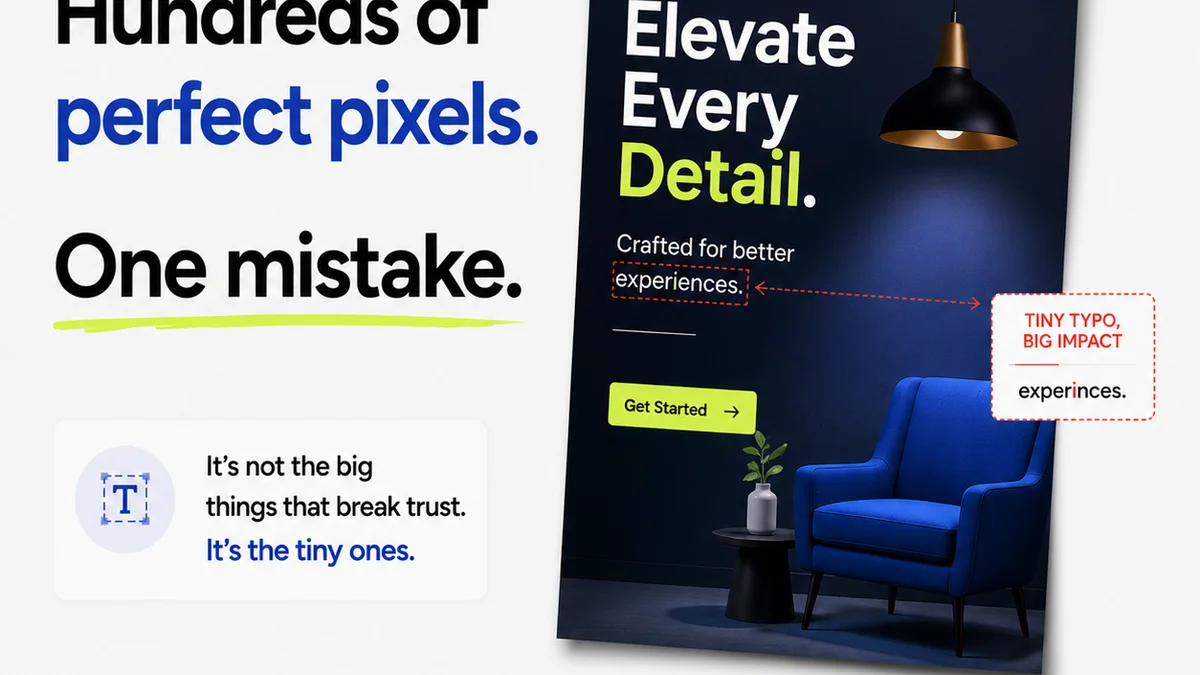
You're growing. Your client roster is expanding, project scope is deepening, and your team is scaling. That's the dream, right? You probably think the biggest challenge is keeping up with demand, landing the next big account, or maybe just finding enough talent to fill those new roles. None of that is wrong. But it’s incomplete.
The real, often overlooked, operational truth for fast-growing agencies is that your *collaboration infrastructure* is either your greatest asset or your biggest bottleneck. And if you're still operating like a small shop, you're leaving serious money and opportunity on the table.
1. The Myth of 'Good Enough' Collaboration
Many agencies, especially as they hit that growth inflection point, rely on a patchwork of tools and ad-hoc processes. Email chains for feedback, shared drives for assets, instant messages for quick questions, and maybe a project management tool that only covers half the workflow. It feels efficient enough when you have five clients. But when you have twenty, and your team is thirty strong, it becomes chaos.
This isn't just about minor inefficiencies. It's about:
- Lost revisions
- Misinterpreted feedback
- Delayed approvals
- Wasted billable hours chasing down information
- Duplicated work
- Clients who feel like they're talking to different people each time
- Internal friction and burnout
You might think, "We're a creative agency. We thrive on a little chaos. We make it work." That's the assumption. The hard truth is that this 'chaos' is actively costing you clients, profitability, and your team's sanity. It's a drag on innovation and scalability.
2. Scaling Your Client Communication
Client communication isn't just about being responsive. It's about being *structured* and *accountable*. As your agency grows, so does the complexity and volume of client interactions. A single project can involve multiple stakeholders on both ends, each with their own communication preferences and levels of detail.
The Information Silo Problem
When feedback, approvals, and key decisions are scattered across email, Slack, Google Docs comments, and even voicemails, you create information silos. This makes it impossible to get a clear, centralized view of project status and client sentiment.
Imagine a client asks for a revision. Who has the final say on that feedback? Was it captured in writing? If an asset needs to be re-exported, which version is the *approved* one? Without a central source of truth, these questions lead to:
- Endless back-and-forth to clarify what was *really* said.
Frequently asked questions
What is enterprise collaboration in the context of a design agency?
For a growing design agency, enterprise collaboration means implementing structured systems and tools to manage client feedback, revisions, approvals, and internal team communication efficiently across multiple projects and clients. It moves beyond ad-hoc methods to a centralized, auditable workflow.
How does poor collaboration impact an agency's bottom line?
Poor collaboration leads to wasted billable hours chasing down feedback, duplicated work due to miscommunication, delayed project timelines causing client dissatisfaction, and increased risk of errors during revisions. All of these directly erode profitability and can lead to lost clients.
Can small or mid-sized agencies benefit from enterprise collaboration strategies?
Absolutely. The principles of structured, centralized collaboration are scalable. Implementing these strategies early, even before reaching enterprise size, builds a strong foundation for efficient growth and avoids the painful scaling issues that plague many agencies.
What are the key benefits of adopting a centralized feedback system?
A centralized system ensures all feedback is captured in one place, provides a clear audit trail, reduces misinterpretations, speeds up the revision and approval process, and offers a single source of truth for project status. This leads to happier clients and more efficient teams.