Everyone thinks leading a creative team is about having great taste. About spotting the next big trend. About wrangling egos and protecting the creative vision.
None of that is wrong. But it’s incomplete.
Especially when you’re leading a creative team within a massive enterprise. The stakes are higher. The processes are more complex. The politics are… well, you know.
The hard truth? Enterprise creative leadership isn't just about art direction. It's about operational mastery. It's about building systems that scale, that can handle the sheer volume and complexity of corporate work without breaking.
1. Operationalize Your Creative Process
You can’t just wing it when you’re churning out dozens of campaigns, hundreds of assets, or thousands of social posts a year. You need a defined, repeatable process. This isn't about stifling creativity; it's about creating the runway for it to fly.
Define Clear Workflows
What does a project look like from brief to final delivery? Map it out. Every step. Every handoff. Every approval gate.
This means documenting:
- Intake and briefing procedures
- Creative brief templates
- Internal review stages
- Client/stakeholder feedback loops
- Revision rounds
- Final asset delivery specs
- Archiving protocols
A documented workflow is your team’s operating manual. It reduces ambiguity and ensures consistency, even when team members change.
Standardize Templates and Assets
Leverage brand guidelines to create reusable templates for common assets. Think social media posts, email banners, presentation slides, even basic video edits.
This frees up your team from reinventing the wheel on every small task. It ensures brand consistency across all outputs. And it dramatically speeds up production.
Implement Project Management Discipline
Your creative team needs more than just a task list. They need robust project management.
This includes:
- Clear project scope and deliverables
- Realistic timelines with buffer
- Resource allocation and tracking
- Risk assessment and mitigation
- Regular status reporting
Treat creative projects like any other critical business initiative. With structure. With accountability.
2. Master Stakeholder Management
In an enterprise, your clients are internal departments. They have their own priorities, their own pressures, and often, their own interpretation of the brand. Managing these relationships is paramount.
Educate Your Stakeholders
Many internal stakeholders don't understand the creative process. They see a deliverable, not the strategy, research, and iterations behind it.
Proactively educate them. Explain why certain steps are necessary. Show them the value of a well-crafted brief. Demonstrate how thorough feedback saves time and money in the long run.
Set Clear Expectations Upfront
Ambiguity is the enemy. Before any project kicks off, ensure everyone understands:
- The objective of the creative work
- The target audience
- The key message
- The scope of work
- The timeline and key milestones
- The feedback and approval process
- What success looks like
Document these expectations in a project charter or scope document. Get sign-off. This creates a shared understanding and a reference point when disagreements arise.
Establish Tiered Feedback and Approval
Not all feedback is created equal. Not all approvals need to come from the top.
Define who provides what type of feedback at each stage. For instance, a marketing manager might provide strategic feedback, while a legal reviewer checks for compliance. A senior executive might only need to approve the final concept or campaign direction.
This streamlines the process and prevents bottlenecks caused by waiting for a single, overburdened executive.
3. Foster a Culture of Continuous Improvement
The enterprise landscape is always shifting. Your team needs to adapt. This requires a commitment to learning and refinement.
Regularly Review and Refine Processes
Schedule periodic retrospectives. What worked on recent projects? What didn’t? Where did friction occur?
Use this feedback to tweak your workflows, templates, and communication strategies. Small, consistent improvements compound over time.
Invest in Skill Development
The tools and techniques of creative work evolve rapidly. Ensure your team stays sharp.
Provide opportunities for training, workshops, and attending industry events. Encourage cross-skilling where appropriate. This not only enhances output but also boosts team morale and retention.
Embrace Data and Analytics
Creative work in an enterprise isn't just about aesthetics; it's about business impact. Use data to inform creative decisions and measure success.
What campaign metrics are important? How does creative performance tie into business goals? Understanding this allows you to demonstrate the value of your team’s work and make more effective creative choices.
4. Build Bridges, Not Silos
Enterprise creative teams often sit at the intersection of many departments. Your ability to collaborate effectively is critical.
Align with Marketing and Brand Teams
Your primary partners are often marketing, brand, and communications. Understand their goals, challenges, and strategies.
Be a proactive partner, not just an order-taker. Offer creative solutions that align with their broader objectives. This builds trust and ensures your work is strategically sound.
Collaborate with Technology and Product Teams
Depending on the organization, you might also need to work closely with IT, product development, or engineering.
Understand their constraints and timelines. Learn their technical language. This fosters mutual respect and can lead to more integrated and innovative solutions.
Centralize Communication and Feedback
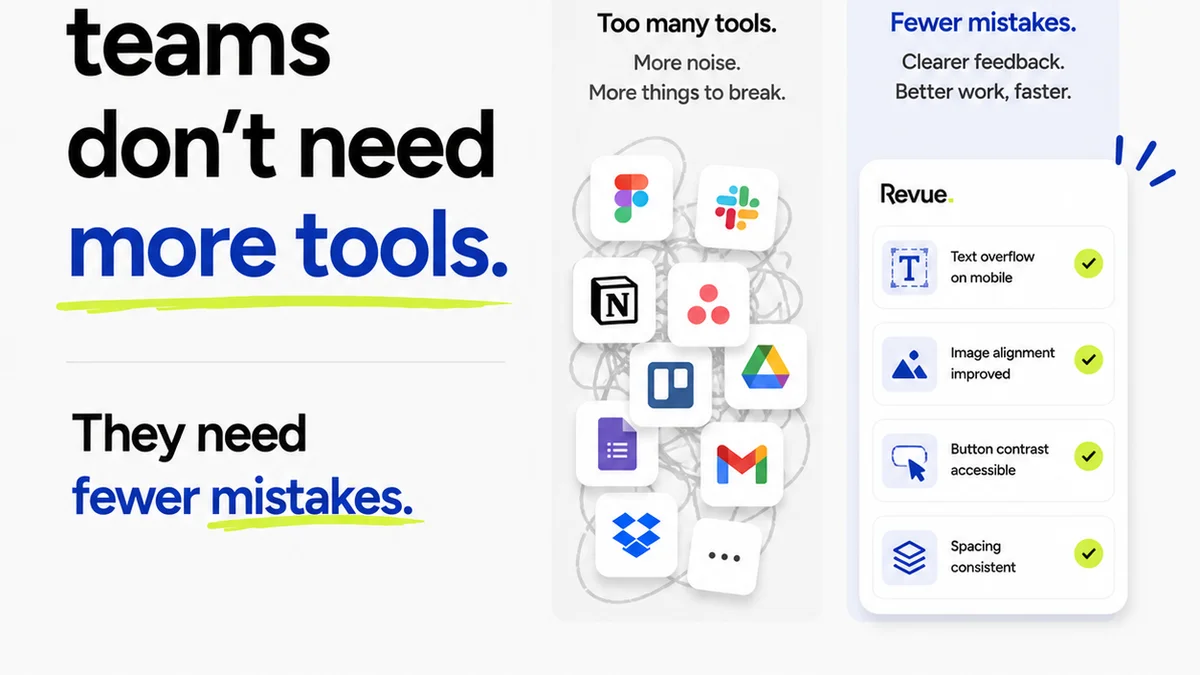
One of the biggest drains on enterprise creative teams is fragmented communication and unclear feedback.
When feedback comes from multiple channels – email threads, Slack messages, hallway conversations – it’s a recipe for disaster. It’s impossible to track, easy to miss critical points, and leads to endless back-and-forth.
You need a single source of truth for all project communication, feedback, and approvals.
Where Revue Fits In
This is where a tool like Revue becomes indispensable for enterprise creative leadership. It’s built to bring order to creative chaos.
Revue acts as your central hub for client and stakeholder feedback. Instead of sifting through endless email chains or chat logs, all comments, markups, and revisions live in one place, tied directly to the creative asset.
This visibility is crucial. Everyone on the team, and all key stakeholders, can see the exact feedback, the version it relates to, and the action taken. It eliminates ‘he said, she said’ arguments and ensures nothing falls through the cracks.
Furthermore, Revue provides clear audit trails for approvals. When a stakeholder signs off on a version, it’s logged. This accountability is vital in large organizations where multiple approvals are often required.
By centralizing feedback and streamlining the revision and approval process, Revue helps enterprise creative teams operate with the efficiency and clarity they need to thrive.
Final Thought
Leading an enterprise creative team is a unique challenge. It requires a blend of creative vision and operational discipline that many overlook.
Are you focusing enough on the systems and processes that enable your team’s brilliance, or are you just focused on the brilliance itself?
Frequently asked questions
What's the biggest challenge for enterprise creative leaders?
The biggest challenge is often balancing creative demands with the operational complexities of a large organization. This includes managing numerous stakeholders, adhering to strict brand guidelines, and scaling processes to handle high volumes of work efficiently.
How can I improve feedback quality from internal stakeholders?
Educate stakeholders on the creative process and set clear expectations upfront. Define who provides what type of feedback at each stage, and use a centralized platform to consolidate all comments, reducing ambiguity and ensuring feedback is actionable.
How do I prevent creative bottlenecks in an enterprise setting?
Standardize workflows and templates for common assets, implement robust project management tools, and establish tiered feedback and approval processes. Centralizing communication and feedback is also key to avoiding delays.
What role does technology play in enterprise creative leadership?
Technology is crucial for operationalizing creative processes. Tools for project management, asset management, and feedback/approval workflows (like Revue) help manage complexity, ensure consistency, and improve efficiency at scale.