Everyone talks about streamlining creative operations. They point to agile methodologies, lean principles, and the latest project management software. And none of that is wrong. But it’s incomplete.
The real challenge for enterprise creative teams isn't adopting a trendy framework. It's building an operating system that can handle the unique pressures: massive scale, multiple stakeholders, stringent compliance, and the constant demand for high-quality, on-brand output. That’s the hard truth.
1. Define Your
Frequently asked questions
What are the biggest challenges for enterprise creative operations?
Enterprise creative operations face unique hurdles like managing vast project volumes, coordinating numerous stakeholders across departments, adhering to strict brand guidelines and compliance, and maintaining consistent quality at scale. The sheer size and complexity can overwhelm traditional workflows.
How can enterprise creative teams improve feedback loops?
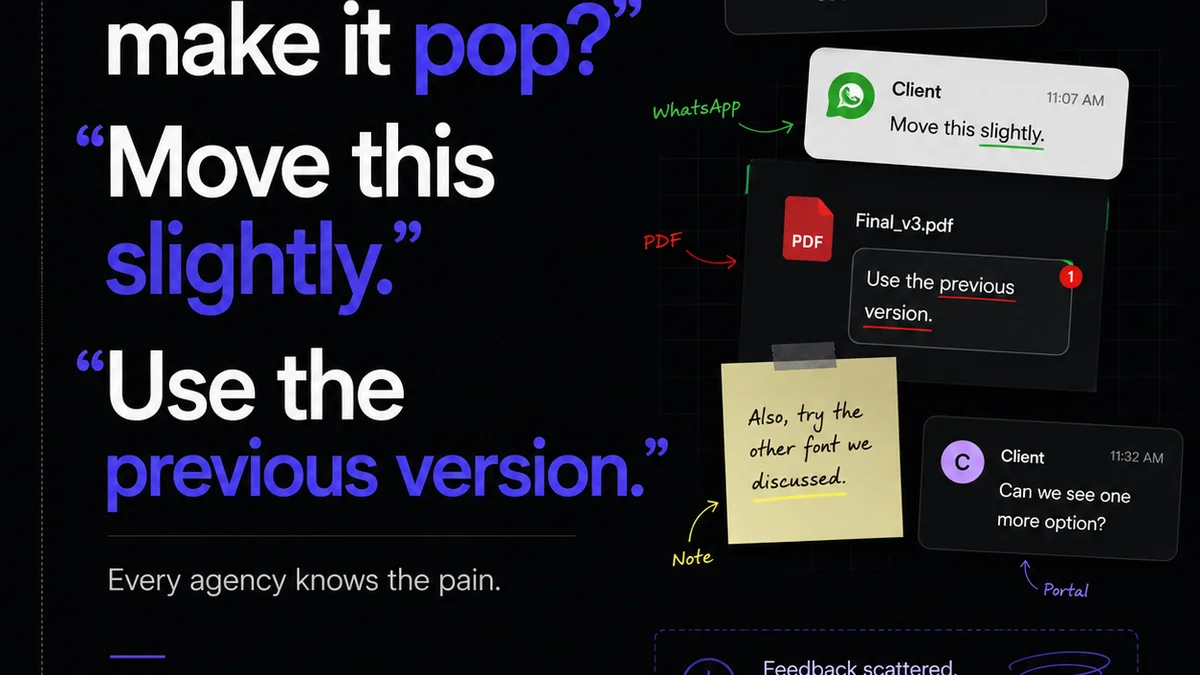
Centralizing feedback in a single platform, establishing clear review stages with defined roles and deadlines, and using visual annotation tools can dramatically improve feedback clarity and speed. This reduces miscommunication and endless email chains.
What role does technology play in enterprise creative operations?
Technology is crucial for managing complexity. Tools for project management, asset management, proofing, and collaboration help automate workflows, improve visibility, ensure brand consistency, and track project progress efficiently. They are the backbone of scalable operations.
How do you ensure brand consistency across a large enterprise team?
Establishing a centralized, easily accessible brand asset management system, creating clear brand guidelines, and implementing automated checks for logo usage and color palettes are key. Training and regular audits also help maintain consistency.