Everyone assumes managing enterprise creative teams boils down to project management basics: clear briefs, timelines, and resource allocation. None of that is wrong. But it’s incomplete.
The hard truth is that enterprise creative teams operate in a different universe. They juggle multiple stakeholders, intricate approval chains, and the constant pressure to deliver high-quality work that aligns with vast brand guidelines and business objectives. It’s less about task management and more about strategic workflow orchestration and risk mitigation.
1. The Illusion of Centralized Control
Many leaders believe that simply having a central creative department or a dedicated internal agency means control. That’s a mirage.
In reality, creative work often gets siloed. Different business units, marketing teams, or regional offices might be running their own creative initiatives, leading to:
- Brand inconsistencies across different touchpoints.
- Redundant creative assets being developed.
- Missed opportunities for cross-functional collaboration and efficiency.
- Difficulty in tracking overall creative output and ROI.
True control comes not from a central office, but from a centralized system that provides visibility and structure across all creative endeavors, no matter where they originate.
2. Navigating the Stakeholder Labyrinth
Enterprise environments are rife with stakeholders. Legal, compliance, brand, product marketing, sales leadership – they all have a say.
This isn't just about getting approvals. It's about managing expectations, understanding diverse priorities, and translating often conflicting feedback into actionable creative direction.
The Feedback Flood
You’ll receive feedback from everywhere. Some of it will be brilliant. Some will be contradictory. Some will be outright wrong.
Without a structured process, this feedback becomes a bottleneck:
- Endless email chains that bury crucial details.
- Version control nightmares where no one is sure which is the latest iteration.
- Creative teams bogged down in deciphering vague or conflicting comments.
- Missed deadlines because of prolonged, unproductive feedback loops.
Effective stakeholder management requires a system that captures, organizes, and prioritizes feedback systematically, ensuring the right people weigh in at the right time.
3. The Quality Control Conundrum
Delivering creative at an enterprise scale means upholding rigorous quality standards. This isn't just about aesthetics; it's about accuracy, brand compliance, and strategic alignment.
Many teams rely on manual checklists or tribal knowledge to ensure quality. This is a fragile approach.
Common Quality Pitfalls
When quality checks are ad-hoc, you see:
- Brand assets that don’t adhere to the latest guidelines.
- Legal disclaimers that are outdated or missing.
- Technical specifications that are overlooked.
- Campaign messaging that drifts from the core strategy.
A robust quality assurance process needs to be integrated into the workflow, not an afterthought. It requires clear criteria, accountability, and a mechanism to track adherence.
4. Embracing Workflow Agility, Not Rigidity
The enterprise world often tries to impose rigid, waterfall-like processes on creative work. This is a recipe for disaster.
Creative work is inherently iterative. It requires flexibility to explore ideas, incorporate feedback, and pivot when necessary.
A process that’s too rigid:
- Stifles creativity and innovation.
- Leads to frustration and burnout among creative staff.
- Makes it difficult to adapt to changing market conditions or client needs.
- Creates a culture of fear where experimentation is discouraged.
The goal is to build workflows that are structured enough to provide clarity and accountability, yet flexible enough to allow for the creative process to thrive.
5. Building a Culture of Clarity and Accountability
Ultimately, managing enterprise creative teams is about people. It’s about fostering an environment where everyone understands their role, the project goals, and how their work contributes to the bigger picture.
This requires more than just assigning tasks. It demands:
- Transparent communication channels.
- Clear ownership for each stage of the creative process.
- A feedback culture that is constructive, not destructive.
- Recognition for both individual contributions and team successes.
When clarity and accountability are present, teams are more engaged, productive, and aligned.
Where Revue Fits In
The complexities of managing enterprise creative teams – the stakeholder labyrinth, the quality control conundrum, the need for agility – are precisely why tools like Revue become indispensable.
Revue provides a centralized hub for your creative operations. Instead of juggling endless spreadsheets, emails, and disparate cloud storage, you get a single source of truth.
Centralized Feedback: All client and stakeholder feedback is captured in one place, directly on the creative asset. No more hunting through email chains. Comments are threaded, contextual, and actionable.
Revision & Approval Visibility: Track every version, every revision, and every approval status in real-time. This transparency eliminates ambiguity and ensures everyone is working from the latest approved iteration.
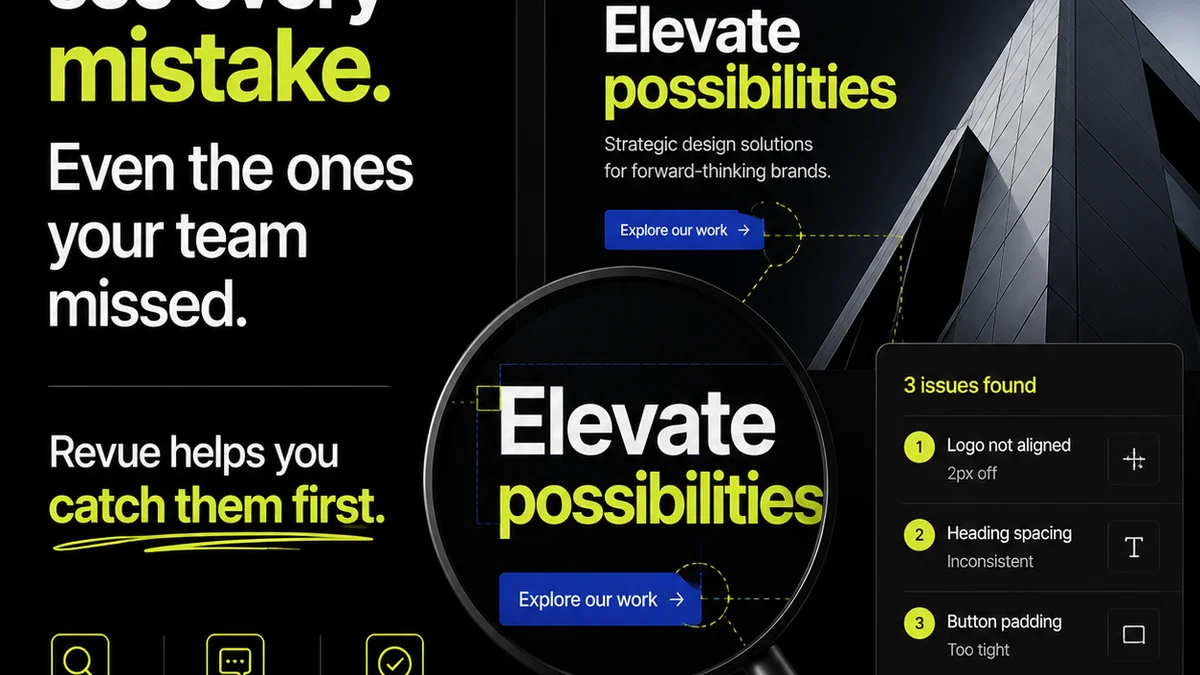
Streamlined Quality Checks: Integrate your brand guidelines, legal requirements, or technical specs directly into the review process. Ensure compliance before final delivery.
By bringing structure and visibility to these critical areas, Revue helps enterprise creative teams move beyond basic project management to true workflow orchestration, reducing friction and accelerating delivery without sacrificing quality.
Final Thought
Are you managing tasks, or are you orchestrating success? The shift from reactive problem-solving to proactive workflow design is the hallmark of truly effective enterprise creative leadership. What’s one process in your team’s workflow that could benefit from more intentional design?
Frequently asked questions
What is the biggest challenge in managing enterprise creative teams?
The biggest challenge is moving beyond basic task management to orchestrating complex workflows involving numerous stakeholders, intricate approval processes, and high quality standards, all while maintaining creative agility.
How can I ensure brand consistency across multiple enterprise creative projects?
Implement a centralized system for feedback and approvals, integrate brand guidelines into review processes, and establish clear communication protocols to ensure all creative output adheres to established standards.
How do I handle conflicting feedback from different stakeholders?
Establish a clear hierarchy for feedback and approvals. Utilize a platform that allows for contextual comments and version tracking, making it easier to identify and resolve conflicting input before it derails the creative process.
What role does technology play in managing enterprise creative teams?
Technology, like Revue, plays a crucial role by providing centralized visibility, streamlining communication, automating parts of the review and approval process, and ensuring quality control through structured workflows.