Everyone talks about design collaboration. They say it’s about communication, shared tools, and open dialogue. And none of that is wrong. But it’s incomplete.
For enterprise teams, the hard truth is that collaboration isn’t just about talking. It’s about process. It’s about systems. It’s about ensuring clarity and accountability across massive, often siloed, organizations.
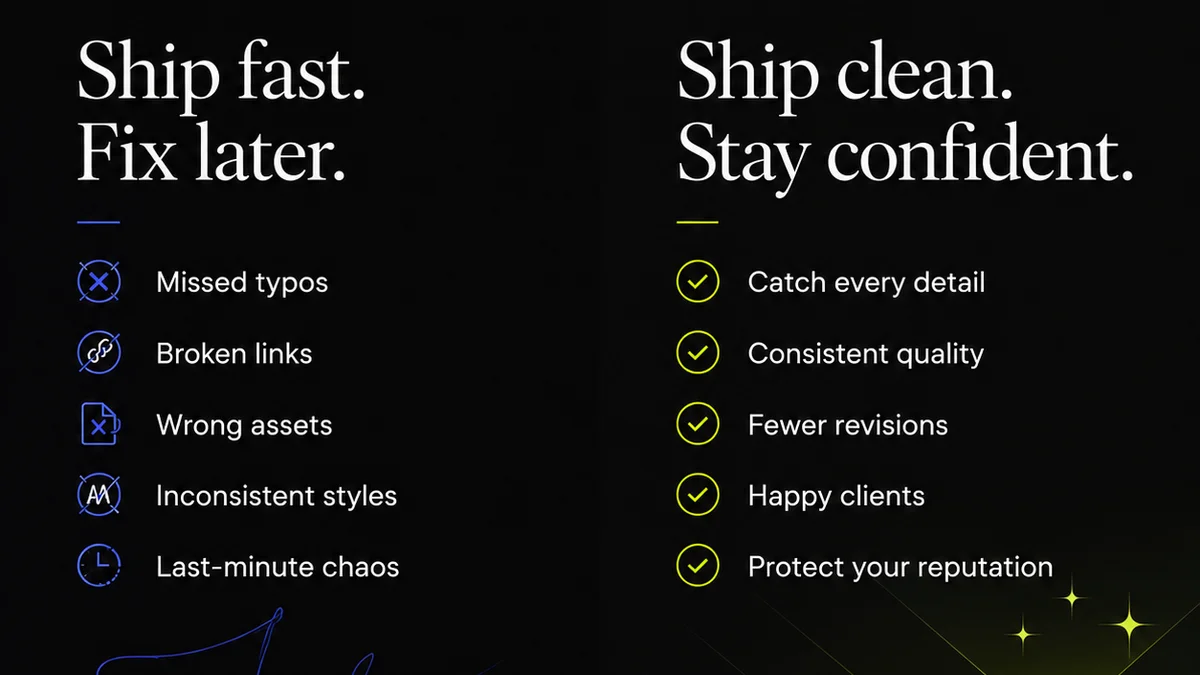
Without a solid playbook, your design process devolves into chaos. Feedback gets lost. Revisions multiply. Deadlines slip. And everyone ends up frustrated.
1. Defining the Core Collaboration Problem
Enterprise design teams face unique challenges that smaller outfits simply don’t. Think scale, complexity, and a constant churn of stakeholders.
The assumption is that a few well-placed tools will solve everything. A shared drive, a chat app, a project management board. Boom. Collaboration solved.
But here’s the deeper reality: The problem isn’t the tools. It’s the lack of a defined, repeatable workflow that dictates *how* those tools are used, *who* is responsible, and *what* happens when things go off track.
Symptoms of a broken system:
- Endless email chains with conflicting feedback.
- Designers chasing down approvals from unknown stakeholders.
- Missed deadlines due to unclear revision cycles.
- Lack of visibility into the overall project status.
- Frustration from both the creative team and stakeholders.
This isn’t just inconvenient. It’s a direct hit to your bottom line, impacting project timelines, resource allocation, and client satisfaction.
2. Building Blocks of an Enterprise Collaboration System
A robust collaboration system isn't built overnight. It’s a deliberate architecture designed to manage complexity.
2.1. Centralized Source of Truth
Every piece of feedback, every version, every approval needs to live in one accessible place. Not scattered across inboxes, Slack channels, or random cloud folders.
This eliminates the
Frequently asked questions
What is the biggest challenge in enterprise design collaboration?
The sheer scale and complexity of large organizations, leading to fragmented communication, unclear approval chains, and difficulty in maintaining a single source of truth for feedback and revisions.
How can enterprise teams centralize feedback effectively?
By implementing a dedicated platform that consolidates all feedback, comments, and annotations in one place, linked directly to the creative assets. This eliminates the need to sift through emails or chat logs.
What role does version control play in enterprise design collaboration?
Crucial. Clear versioning ensures everyone is working on and referencing the latest iteration, preventing confusion and rework caused by outdated designs. It provides an audit trail of changes.
How do you manage multiple stakeholders and their feedback in an enterprise setting?
Establish clear roles and permissions within a collaboration tool. Define who needs to provide feedback, who needs to approve, and set clear deadlines for each. Centralized platforms offer visibility into who has reviewed what.