Everyone talks about the challenges facing enterprise design teams. They mention siloed departments, slow adoption of new tools, or the constant pressure to innovate faster. And sure, those are all real issues.
But they’re not the *real* problems.
The biggest challenges aren't about the tools or the org chart. They're about the fundamental disconnect between how design *actually* works and how large organizations *expect* it to work.
This misalignment creates friction, delays, and ultimately, compromises the quality of the work. It’s the hidden drag that no amount of agile sprints can fix on its own.
1. The Illusion of Centralized Control
Many enterprises try to centralize design under a single umbrella. They create design systems, build central brand hubs, and mandate specific toolsets. The assumption is that this top-down approach brings order and consistency.
The hard truth? It often creates a bottleneck and stifles creativity. When design becomes a gatekeeper rather than an enabler, it slows down the very innovation it’s supposed to drive.
The Symptom: Design by Committee, Not by Collaboration
Instead of empowering teams, a hyper-centralized model can lead to:
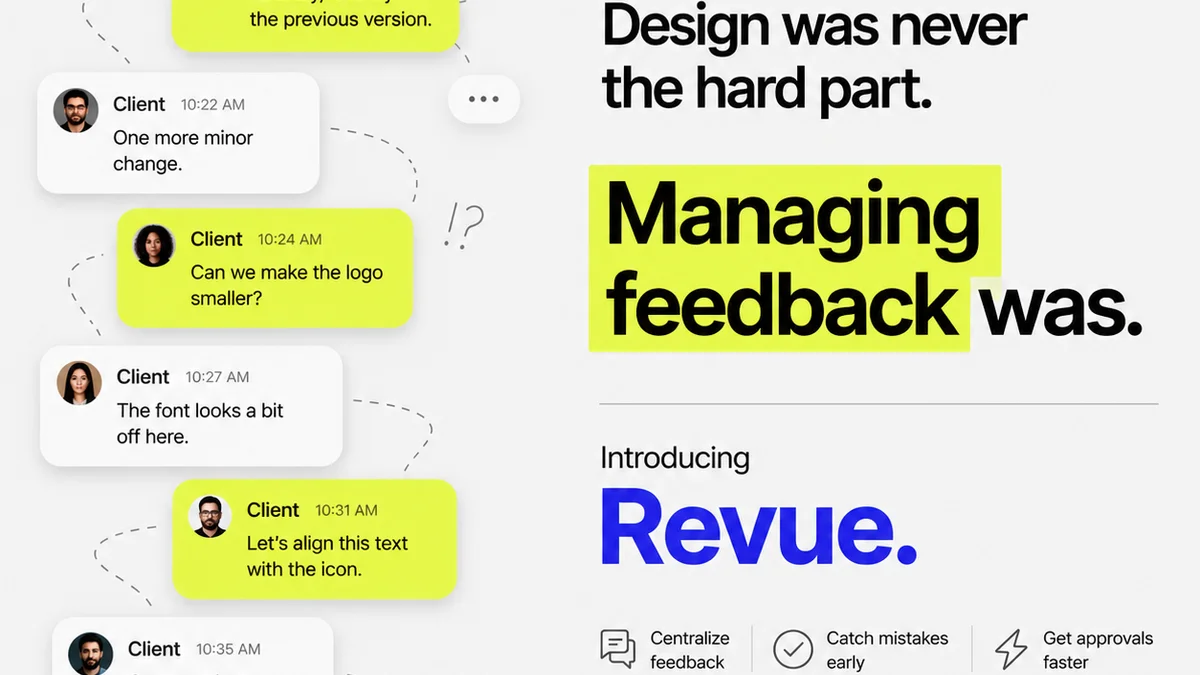
- Endless review cycles where tweaks get lost in translation.
- A fear of deviating from the approved
Frequently asked questions
What's the main difference between enterprise design challenges and smaller agency challenges?
Enterprise challenges often stem from scale, legacy systems, and complex stakeholder landscapes, whereas smaller agencies might face resource constraints or client communication hurdles.
How can a design system actually become a bottleneck?
A design system becomes a bottleneck when it's treated as a rigid rulebook rather than a flexible framework, or when the governance process for updating it is slow and bureaucratic.
Is 'design by committee' always bad?
It's not inherently bad, but it can become a problem when it leads to watered-down ideas, endless revisions, and a lack of clear ownership. Effective collaboration requires clear roles and decision-making processes.
How does AI impact these design challenges?
AI can automate repetitive tasks and speed up ideation, but it doesn't solve the core organizational and communication challenges. It can even introduce new complexities if not integrated thoughtfully into existing workflows.