Everyone’s talking about DesignOps. You’ve probably heard it’s about streamlining workflows, managing design systems, and adopting the latest collaboration tools. It’s about efficiency, scalability, and making designers’ lives easier.
None of that is wrong. But it’s incomplete.
The real hard truth about DesignOps in enterprise creative teams? It’s not about the tools. It’s about the people, the politics, and the deeply ingrained habits that make even the most elegant process fall apart.
1. The Myth of the Seamless Process
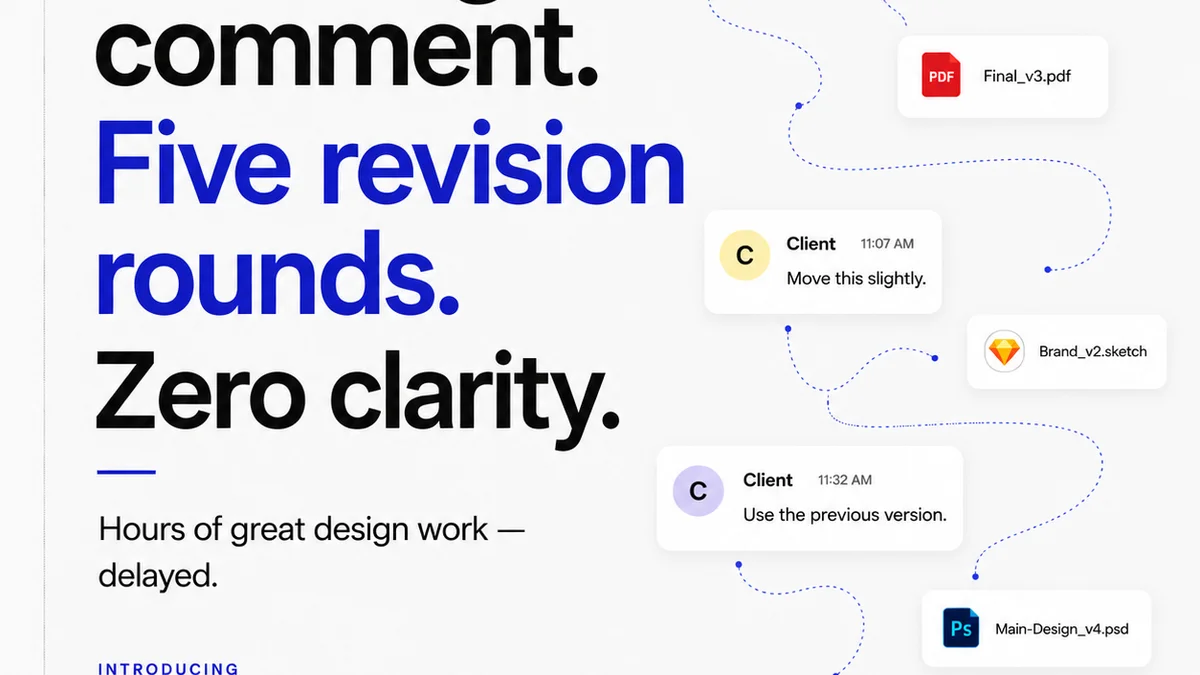
The common assumption is that if you implement the right software and document the right procedures, your enterprise creative team will magically hum along. You’ll get fewer revision rounds, clearer feedback, and faster delivery.
This is a fantasy.
Enterprise environments are complex. They’re filled with legacy systems, entrenched hierarchies, and competing priorities. A process that looks perfect on paper can buckle under the weight of organizational inertia.
The Human Element is the Bottleneck
Think about it:
- How often does feedback get lost in email chains?
- How many times have stakeholders missed deadlines for approvals?
- When was the last time a designer *truly* understood the core business objective behind a brief?
These aren’t process failures. They’re human failures. They stem from a lack of clear communication, misaligned expectations, and a disconnect between the creative team and the business objectives.
DesignOps that only focuses on technology misses the point entirely. You can have the slickest project management tool, but if the person entering the data is overloaded or doesn’t understand the ‘why,’ the system breaks.
2. Scaling Design: It’s Not Just About More Designers
Many enterprise DesignOps initiatives are driven by a need to scale. The assumption is that scaling means hiring more designers or simply duplicating existing processes across more teams.
This is a recipe for chaos.
True scaling in enterprise creative means scaling *impact*, not just headcount. It’s about multiplying the effectiveness of your existing team and ensuring consistency in quality and brand expression across a vast organization.
The Enterprise Reality Check
Consider these challenges:
- Maintaining brand consistency across dozens of product lines, marketing campaigns, and regional teams.
- Onboarding new designers into a complex ecosystem of tools, stakeholders, and brand guidelines.
- Ensuring that design decisions are informed by data and business strategy, not just aesthetic preference.
- Managing dependencies between multiple design teams working on interconnected products.
Simply adding more hands to the existing, unoptimized process will only amplify existing problems. You’ll have more miscommunication, more duplicated effort, and more diluted brand impact.
Scaling requires a foundational shift in how design work is managed, not just an increase in resources.
3. Feedback Loops: The Unseen Time Sink
A huge part of DesignOps is optimizing feedback and approvals. The common belief is that better tools (like annotation software or dedicated platforms) will fix this.
Tools are only part of the solution. Often, they’re a distraction.
The real problem with feedback in enterprise settings isn't the *method* of delivery, but the *quality* and *timeliness* of the input. And that’s a human and organizational problem.
Why Feedback Fails in Big Companies
- Lack of Clarity: Stakeholders don’t understand the brief or the constraints.
- Ambiguity: Feedback is vague, subjective, or contradictory (“Make it pop more”).
- Delayed Input: Approvers are too busy, leading to rushed decisions or bottlenecks.
- Siloed Communication: Feedback is given directly to designers, bypassing project managers and creating confusion.
- Too Many Cooks: Conflicting opinions from multiple stakeholders with no clear decision-maker.
You can implement the most sophisticated review system, but if the people providing feedback aren’t equipped, empowered, or incentivized to give good, timely input, you’re just building a faster way to get bad feedback.
This requires not just a tool, but a cultural shift towards structured, objective, and timely feedback.
4. Design Systems: More Than Just a Style Guide
Design systems are often touted as a cornerstone of enterprise DesignOps. The assumption is that a well-documented design system will ensure consistency and speed up production.
It’s a nice idea, but rarely the full story.
A design system is only as good as its adoption and governance. In a large enterprise, this is where the wheels often come off.
The Governance Gap
Here’s what usually happens:
- Lack of Ownership: Who is truly responsible for maintaining and evolving the system?
- Resistance to Adoption: Designers and developers may resist using it, preferring their own methods.
- Outdated Components: The system quickly becomes stale as new needs arise and aren't incorporated.
- Inconsistent Implementation: Different teams interpret and apply components differently.
- Technical Debt: The system becomes a burden to maintain rather than an enabler.
A design system needs more than just code and design files. It needs clear governance, dedicated resources, and a strategy for ongoing evolution and adoption that addresses the human and political realities of an enterprise.
5. The Politics of DesignOps
This is the elephant in the room. Enterprise DesignOps isn’t just about efficiency; it’s about navigating organizational politics.
Many DesignOps initiatives fail because they underestimate the power of established hierarchies, departmental silos, and individual agendas.
Political Landmines
- Cross-Departmental Buy-in: Getting marketing, product, engineering, and legal to agree on a unified design process is a political battle.
- Resource Allocation: Who controls the budget for DesignOps tools and personnel?
- Defining Roles: Clarifying who owns what in a DesignOps function can be contentious.
- Change Management: Overcoming resistance from individuals or teams who feel threatened by new ways of working.
- Measuring Success: Defining metrics that satisfy all stakeholders and demonstrate value can be a political minefield.
A successful DesignOps strategy must acknowledge and actively manage these political dynamics. It requires strong leadership, clear communication, and a focus on building consensus rather than imposing solutions.
Where Revue Fits In
Implementing DesignOps in an enterprise is a monumental task. It requires a deep understanding of your team’s specific challenges, a willingness to address the human factors, and the right infrastructure to support your efforts.
Tools like Revue can play a crucial role in this infrastructure. They help centralize client and stakeholder feedback, providing a single source of truth that cuts through the email clutter and ambiguity.
With clear visibility into revisions and approvals, you can track progress, identify bottlenecks, and ensure that everyone is working from the latest version. This structured approach to feedback and approvals is critical for improving the quality of creative output and reducing the endless cycles of rework.
Revue helps bring order to the chaos, making it easier to manage complex projects and ensure that your enterprise creative team is operating as efficiently and effectively as possible.
Final Thought
DesignOps in enterprise isn't a destination; it's an ongoing journey of adaptation. It’s about building systems that acknowledge human nature, not just technological possibility.
Are you building processes that support your team’s reality, or are you just layering new tools onto old problems?
Frequently asked questions
What is the primary goal of DesignOps in an enterprise?
The primary goal is to scale the impact and effectiveness of an enterprise creative team, not just headcount. This involves streamlining workflows, improving collaboration, ensuring brand consistency, and aligning design efforts with business objectives, all while navigating complex organizational structures.
How does DesignOps differ in an enterprise setting compared to a smaller agency?
Enterprise DesignOps must contend with greater complexity: more stakeholders, established hierarchies, legacy systems, cross-departmental politics, and a much larger scale of operations. The focus shifts from mere process efficiency to managing organizational inertia and political dynamics.
What are the biggest challenges in implementing DesignOps in a large company?
Key challenges include gaining cross-departmental buy-in, managing resistance to change, establishing clear ownership and governance, securing resources, and defining success metrics that satisfy diverse stakeholder needs. The human and political elements are often more significant than the technical ones.
Can DesignOps really improve feedback quality in enterprise teams?
Yes, but not solely through tools. DesignOps aims to improve feedback quality by establishing clear communication channels, defining roles, setting expectations for timely and constructive input, and ensuring stakeholders understand the brief and project goals. This cultural shift, supported by the right processes, is crucial.
How does a tool like Revue support enterprise DesignOps?
Revue supports enterprise DesignOps by centralizing feedback and approvals, providing a single source of truth, and increasing visibility into project progress. This helps reduce ambiguity, identify bottlenecks, and ensure consistency, thereby streamlining the revision and approval process.