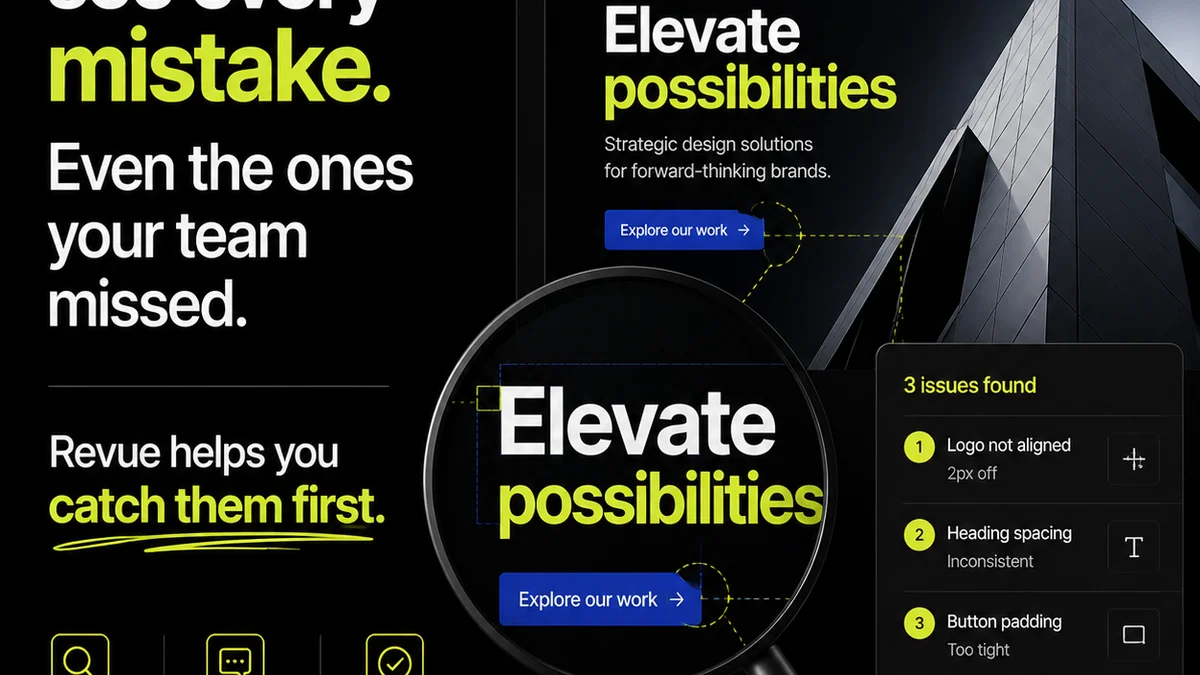
Everyone thinks proofreading is just about catching typos and grammatical errors. That’s not wrong, but it’s dangerously incomplete, especially for enterprise teams. The real work of proofreading in a large organization involves far more than a final scan for spelling mistakes. It’s about safeguarding brand integrity, ensuring legal compliance, and maintaining operational efficiency across a complex web of creative assets and stakeholders.
The hard truth? A superficial proofread is a liability. It opens the door to costly mistakes, brand erosion, and missed opportunities. True enterprise-level proofreading is a strategic process, deeply integrated into your workflow, that touches everything from client contracts to marketing collateral.
1. The Scope of Enterprise Proofreading: It's Not Just Copy
When we talk about proofreading in an enterprise context, we’re not just talking about the words on a page. We’re talking about the entire creative deliverable. This includes:
- Textual Accuracy: Grammar, spelling, punctuation, syntax.
- Factual Correctness: Ensuring all data, statistics, names, dates, and claims are accurate and verifiable.
- Brand Consistency: Adherence to brand voice, tone, style guides, and visual identity elements.
- Legal and Compliance Review: Verification against regulatory requirements, disclaimers, intellectual property rights, and contractual obligations.
- Technical Accuracy: For software, UI/UX elements, or technical documentation, ensuring instructions and terminology are precise and functional.
- Contextual Appropriateness: Ensuring the content is suitable for the intended audience and platform, avoiding cultural insensitivity or misinterpretation.
Think about a single marketing campaign. It might involve website copy, social media posts, email newsletters, ad creatives, landing pages, and even video scripts. Each piece needs to be proofread, but the *type* of proofreading varies.
Brand Voice and Tone
Does the copy sound like your brand? Is it too formal, too casual, or just off-brand? This requires a deep understanding of your brand's personality, which goes beyond a simple style guide.
Factual Integrity
A single incorrect statistic in a whitepaper can undermine credibility. A misspelled client name in a proposal is a guaranteed loss. Accuracy is paramount.
2. Building a Robust Proofreading Workflow
A haphazard approach to proofreading is a ticking time bomb. Enterprise teams need a structured, repeatable process. This starts with clear ownership and defined stages.
Define Roles and Responsibilities
Who is responsible for what? In large teams, this can get murky. Ensure:
- Content Creators: Responsible for initial self-proofing and adherence to basic style guides.
- Subject Matter Experts (SMEs): Responsible for factual accuracy and technical correctness.
- Legal/Compliance Teams: Responsible for regulatory adherence and risk mitigation.
- Brand Managers: Responsible for voice, tone, and overall brand alignment.
- Dedicated Proofreaders/Editors: Responsible for the final polish, consistency, and error detection across all categories.
This isn't always a one-to-one assignment. A single person might wear multiple hats, but the *functions* must be covered.
Staged Review Process
Proofreading shouldn't be a last-minute scramble. Integrate it into your project phases:
- Drafting & Initial Review: Content creators self-edit.
- SME/Technical Review: Factual and technical accuracy checked.
- Legal/Compliance Review: Regulatory and risk checks.
- Brand Review: Voice, tone, and consistency alignment.
- Final Proofread: A dedicated proofreader catches all remaining errors.
Each stage should have clear sign-off criteria. No moving to the next stage until the current one is approved.
Leverage Technology
While technology can't replace human judgment, it can significantly enhance efficiency. Tools for:
- Grammar and Style Checking: Tools like Grammarly or ProWritingAid can catch basic errors and suggest improvements.
- Plagiarism Detection: Essential for maintaining originality.
- Version Control: Tracking changes and ensuring everyone works from the latest version.
- Centralized Feedback Platforms: To manage comments and revisions efficiently.
Remember, these tools are aids, not replacements. Over-reliance can lead to missed nuances.
3. The Proofreading Checklist: What to Look For
A comprehensive checklist is your best defense against oversight. Tailor it to your specific industry and asset types, but here’s a solid foundation:
General Accuracy & Clarity
- Spelling errors (proper nouns, technical terms, company names).
- Grammatical errors (subject-verb agreement, pronoun agreement, tense consistency).
- Punctuation errors (commas, apostrophes, hyphens, semicolons).
- Typographical errors (transposed letters, extra spaces).
- Awkward phrasing or unclear sentences.
- Inconsistent terminology or jargon.
- Repetitive phrasing or words.
- Missing words or dropped letters.
Brand & Style Consistency
- Adherence to the official brand style guide (e.g., capitalization, number formatting, use of trademark symbols).
- Consistent voice and tone across the document and compared to other brand materials.
- Correct usage of brand names, product names, and taglines.
- Visual elements (logos, colors, fonts) used correctly and consistently if applicable to the proofread asset.
Factual & Contextual Integrity
- Accuracy of all names, titles, dates, and locations.
- Verification of all statistics, data points, and claims.
- Correctness of any quotes or references.
- Ensuring content is appropriate for the target audience and cultural context.
- Links are correct and functional.
Legal & Compliance
- Presence and accuracy of all required disclaimers, legal notices, and terms of service.
- Compliance with industry-specific regulations (e.g., GDPR, HIPAA, ADA for accessibility).
- Intellectual property rights respected (e.g., proper attribution for images, text).
- No unsubstantiated claims or misleading statements.
Technical Specifics (if applicable)
- Accuracy of code snippets or technical instructions.
- Correctness of UI labels, error messages, and user flows.
- Consistency in technical terminology.
4. Common Pitfalls and How to Avoid Them
Even with a checklist, mistakes happen. Understanding common pitfalls helps you build better defenses.
The 'Too Close to the Work' Syndrome
Creators often miss errors in their own work because they're too familiar with it. They read what they *intended* to write, not what's actually there. This is why a fresh pair of eyes is crucial.
Relying Solely on Automated Tools
Grammar checkers are powerful, but they lack context and nuance. They can't judge tone, brand voice, or factual accuracy. They also sometimes flag correct usage as errors.
Lack of Clear Ownership
When no one is explicitly responsible for the final proofread, it often falls through the cracks. Assign a final gatekeeper.
Inadequate Style Guides
Vague or outdated style guides lead to inconsistent application of brand rules. Keep them current and accessible.
Insufficient Time Allotted
Proofreading is not a task to be rushed. Rushing leads to missed errors. Build adequate time into your project schedules for thorough reviews.
Where Revue Fits In
Managing a complex proofreading workflow across an enterprise team can feel like herding cats. Keeping track of feedback, ensuring all review stages are completed, and maintaining version control across numerous assets and stakeholders is a major operational challenge.
This is where a centralized feedback and approval platform like Revue becomes invaluable. It provides a single source of truth for all creative assets and their associated feedback.
- Centralized Feedback: All comments and revisions are in one place, linked directly to the asset. No more hunting through emails or scattered documents.
- Revision Visibility: Track the history of changes, see who approved what, and when. This clarity is essential for accountability and audit trails.
- Quality Checks: Ensure that feedback from all stakeholders (creative, legal, brand, SME) is captured and addressed before final approval. It helps enforce the staged review process.
- Streamlined Approvals: Formalize the sign-off process, reducing back-and-forth and accelerating delivery without sacrificing quality.
By bringing structure and transparency to the feedback and revision process, Revue helps enterprise teams execute their proofreading and quality assurance steps more effectively, reducing risk and improving output.
Final Thought
Proofreading is not an afterthought; it's a critical quality control gate. For enterprise teams, it's the guardian of reputation, compliance, and operational excellence. Are you treating it as a strategic imperative, or just another task to check off?
Frequently asked questions
What's the difference between editing and proofreading for enterprise teams?
Editing focuses on improving content, structure, clarity, and flow. Proofreading is the final stage, focused on catching surface-level errors like typos, grammar mistakes, and punctuation issues before publication. For enterprises, proofreading also critically includes checking for factual accuracy, brand consistency, and legal compliance.
How can I ensure factual accuracy in enterprise proofreading?
Assign subject matter experts (SMEs) to review specific sections for accuracy. Clearly state all data points, statistics, and claims that need verification. Use cross-referencing with original sources and maintain a fact-checking log.
What is the role of brand consistency in enterprise proofreading?
Brand consistency in proofreading means ensuring the content adheres to the established brand voice, tone, style guide (e.g., capitalization, terminology), and visual identity. It ensures all communications feel cohesive and reinforce brand identity.
Can technology replace human proofreaders in an enterprise setting?
No. While grammar checkers and AI tools can catch many errors and improve efficiency, they lack the nuanced understanding of context, brand voice, legal implications, and factual accuracy that a human proofreader provides. Technology should augment, not replace, human oversight.
How do you manage proofreading for a high volume of creative assets in an enterprise?
Implement a structured workflow with clear roles and responsibilities. Use a centralized feedback and approval platform to manage all assets, comments, and revisions in one place. Standardize checklists and templates for different asset types. Allocate sufficient time for each review stage.