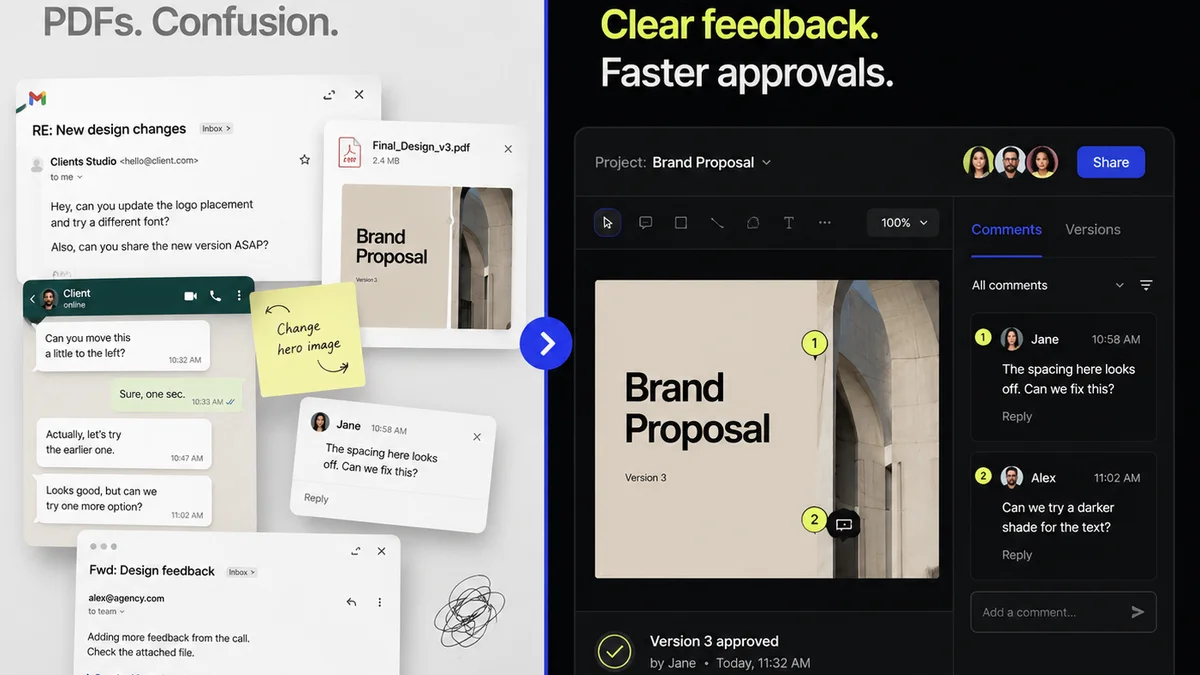
Enterprise teams assume a smooth publication workflow is about having the right software. Project management tools, DAMs, collaborative editors – they’ve got it all. And none of that is wrong. But it’s incomplete.
The hard truth? The biggest bottleneck isn’t the tech stack. It’s the human element: unclear feedback loops, siloed communication, and a lack of visibility into the revision and approval process. This is where your whole operation grinds to a halt.
1. The Myth of the 'Set-it-and-Forget-it' Workflow
Many enterprise teams believe that once a workflow is documented, it’s done. They map out steps, assign roles, and expect predictable outcomes. This linear thinking is a recipe for disaster in creative production.
Creative work is iterative. Feedback is subjective. Deadlines are often rigid. A static workflow simply can’t adapt.
The reality is that workflows need to be living, breathing systems. They require constant monitoring, refinement, and a built-in flexibility to handle the inevitable curveballs.
The Symptoms of a Stale Workflow:
- Endless rounds of revisions that go nowhere.
- Missed deadlines due to unclear approval chains.
- Frustrated team members constantly asking for status updates.
- Inconsistent quality across different projects.
- Lost files and version control nightmares.
If any of this sounds familiar, your workflow is likely stuck in the past.
2. Deconstructing the Enterprise Publication Process
Let’s break down what a modern publication workflow for enterprise teams *actually* looks like, beyond the Gantt charts and process diagrams.
a. Content Strategy & Briefing
This is the foundation. A clear, detailed brief isn't just a formality; it’s the blueprint for success. It needs to cover:
- Project objectives and target audience.
- Key messaging and calls to action.
- Brand guidelines and tone of voice.
- Mandatory inclusions and exclusions.
- Deliverables and technical specifications.
Vague briefs lead to wasted effort and misaligned outputs. Invest time here.
b. Creation & Development
This phase involves the actual making of the content. Whether it’s copy, design, video, or code, clarity on scope and resources is paramount. Challenges often arise from:
- Lack of access to necessary assets or information.
- Scope creep without formal change orders.
- Unrealistic timelines imposed without consultation.
This stage requires clear task management and open communication channels.
c. Review & Feedback Cycles
This is where most workflows break. The assumption is that feedback is always clear and constructive. It rarely is.
We see:
- Vague comments like “make it pop” or “I don’t like it.”
- Conflicting feedback from different stakeholders.
- Feedback delivered too late, requiring significant rework.
- A lack of a single source of truth for comments.
A structured feedback process is non-negotiable.
d. Revision & Iteration
Based on feedback, content is revised. This sounds simple, but without clear guidance, it’s a quagmire.
Key issues include:
- Misinterpreting feedback.
- Over-revising and losing the original intent.
- Difficulty tracking which version is the latest.
- Inefficient handoffs between creators and reviewers.
Version control and clear communication are critical here.
e. Approval & Sign-off
The finish line, often marred by delays. Stakeholders might be unavailable, or new feedback might emerge at the last minute.
Common pitfalls:
- Lack of a designated approver.
- Ambiguous approval criteria.
- No clear escalation path for blocked approvals.
A streamlined, visible approval process is vital.
f. Publication & Distribution
Content finally goes live. But the workflow doesn’t end here. Post-publication analysis and archiving are part of the cycle.
3. Building a Resilient Workflow: Key Principles
Moving beyond the basic steps, what makes an enterprise publication workflow truly effective and resilient?
a. Centralize Everything
Scattered documents, emails, and chat messages are the enemy. All project-related information – briefs, assets, feedback, versions, approvals – needs to live in one accessible place.
This isn't just about convenience; it's about creating a single source of truth that eliminates confusion and speeds up decision-making.
b. Standardize Feedback and Approvals
Implement clear guidelines for how feedback is given and how approvals are processed. This means:
- Using structured comment systems.
- Defining who has final sign-off authority.
- Setting clear deadlines for feedback and approvals.
- Establishing an escalation process for stalled reviews.
This reduces subjectivity and the dreaded
Frequently asked questions
What are the biggest challenges in enterprise publication workflows?
The most significant challenges often stem from the human element: unclear feedback, siloed communication, lack of process visibility, and difficulty managing revisions and approvals efficiently. While technology helps, these process and communication gaps are the primary bottlenecks.
How can enterprise teams improve their feedback process?
Improve feedback by standardizing it. Use structured comment systems, define clear criteria for what constitutes actionable feedback, and designate specific stakeholders responsible for providing it. Centralizing feedback in one platform also ensures everyone sees the same comments and context.
What is the role of technology in an enterprise publication workflow?
Technology, like a dedicated review and approval platform, serves to centralize assets, streamline communication, automate notifications, provide version control, and offer clear visibility into the status of reviews and approvals. It supports and enforces the defined workflow, rather than replacing the need for a well-designed process.
How do you handle conflicting feedback from multiple stakeholders?
Establish a clear hierarchy of decision-making and a designated final approver. Before feedback is solicited, define who has the ultimate say. If conflicting feedback arises, the designated approver can review the input and make a final decision, or mediate a discussion to reach consensus.