Everyone says stakeholder feedback is key to great design. That getting clients and execs to weigh in early and often in tools like Figma is the secret sauce. None of that is wrong. But it’s incomplete.
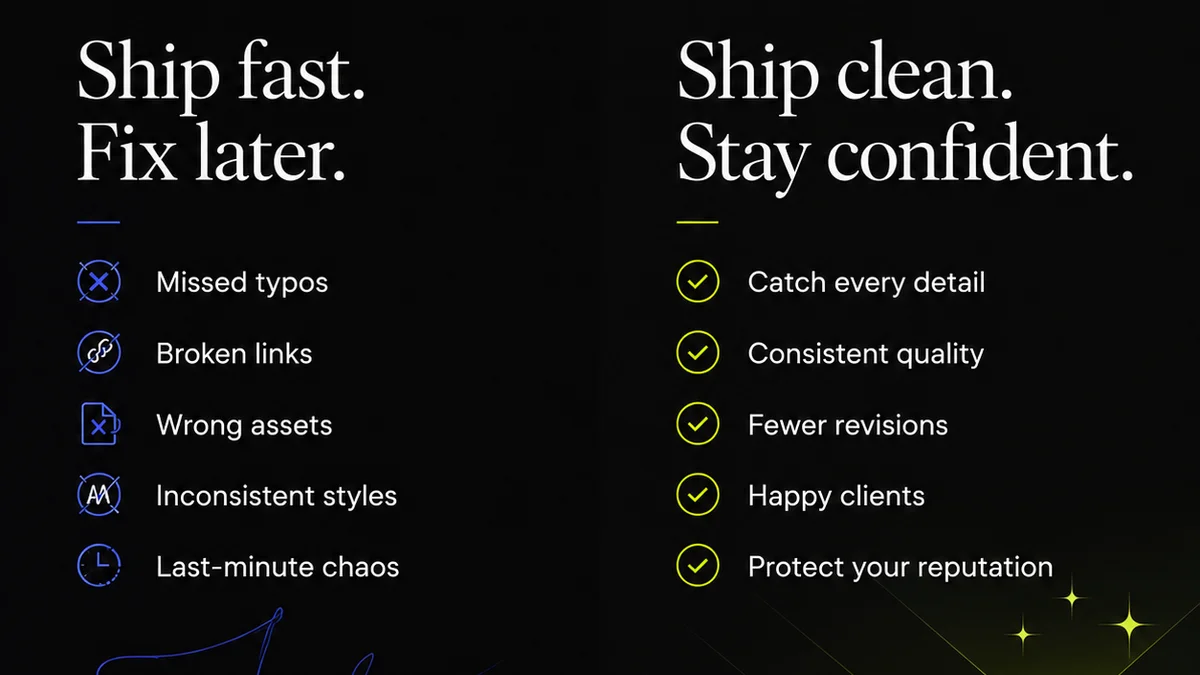
The hard truth? Most Figma stakeholder reviews aren't about getting *better* feedback. They're about managing the *chaos* of feedback. And if you're not managing that chaos, you're drowning in revisions.
1. The Illusion of Clarity: Why Feedback Feels Vague
Clients and stakeholders aren't designers. They don't speak in hex codes or understand the nuances of kerning. They speak in feelings, analogies, and sometimes, outright demands that make no design sense.
This isn't their fault. It's a communication gap.
Common Vague Feedback Tropes
- “Make it pop more.”
- “I don’t like it, but I don’t know why.”
- “Can we try something totally different?”
- “This feels too corporate/too playful/too X.”
- “Just make it more modern.”
Your job isn't just to design. It's to translate. To turn those fuzzy feelings into actionable design decisions. This requires structure, not just a link to a Figma file.
2. The 'Reviewer Fatigue' Effect
Think about your own inbox. Now imagine being a busy executive who gets pinged daily for feedback on a design they don't fully grasp. They're likely to skim, rubber-stamp, or send back generic comments just to get it off their plate.
This leads to superficial reviews.
And superficial reviews lead to superficial changes. Or worse, major changes requested *after* a supposed
Frequently asked questions
How can I get more specific feedback from stakeholders in Figma?
Provide clear prompts and context for feedback. Instead of just sharing a link, ask targeted questions about specific elements or user flows. Consider using a feedback tool that structures comments by section or component.
What's the best way to manage conflicting stakeholder feedback?
Establish a clear decision-making hierarchy before the review process begins. Designate a point person who can consolidate feedback and make final calls based on project goals and brand strategy. Document these decisions.
How often should stakeholders review Figma designs?
Frequency depends on the project phase and stakeholder availability. Early on, more frequent, smaller reviews can catch major issues. Later, consolidated reviews at key milestones are more efficient. Avoid daily check-ins unless critical.
Can Figma's built-in commenting be improved for stakeholder reviews?
Figma's commenting is a good starting point, but it can become disorganized with many reviewers. Tools that integrate with Figma can help organize, categorize, and track feedback, making it more actionable than standalone comments.